Introduction: Following the Ancient Legions Across Modern Landscapes
Across Europe, echoes of Rome linger in quiet English towns and dramatic Scandinavian fjords. Travelers interested in history, culture, and scenic escapes can trace Roman-inspired routes through Hertford in Hertfordshire, England and onwards to distinctive sites in Norway. This guide shows how to weave these destinations into a memorable itinerary that blends ancient themes with modern travel comforts.
Hertford, Hertfordshire: A Gateway to England’s Roman Past
Hertford is a compact market town northeast of London, surrounded by gentle countryside and waterways. While it is better known today for its relaxed pace and traditional high street, the wider Hertfordshire region is threaded with routes and relics that date back to Roman Britain. Hertford makes a convenient and atmospheric base for exploring these layers of history.
Roman Roads and Rural Walks Around Hertford
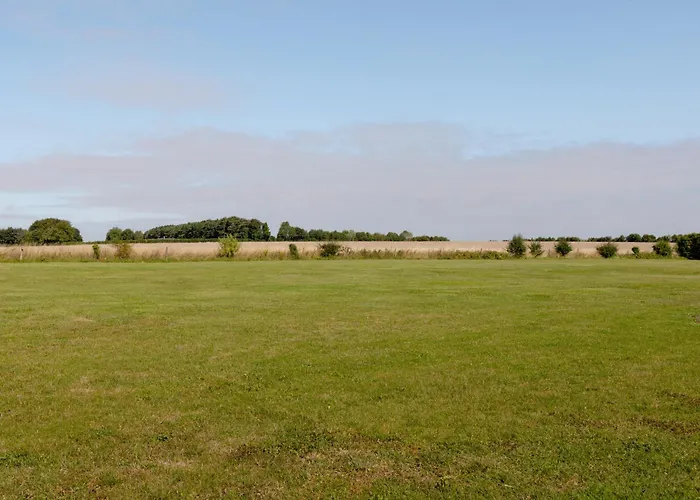
Travelers with an eye for history can spend a day walking or cycling along routes that parallel old Roman roads. Parts of Hertfordshire were once crossed by key Roman arteries linking major settlements in the southeast of England. Modern footpaths and lanes often follow or intersect these ancient lines, making them ideal for scenic strolls through fields, woodland, and small villages:
- Seek out local trails that reference Roman routes or old trading ways in their names.
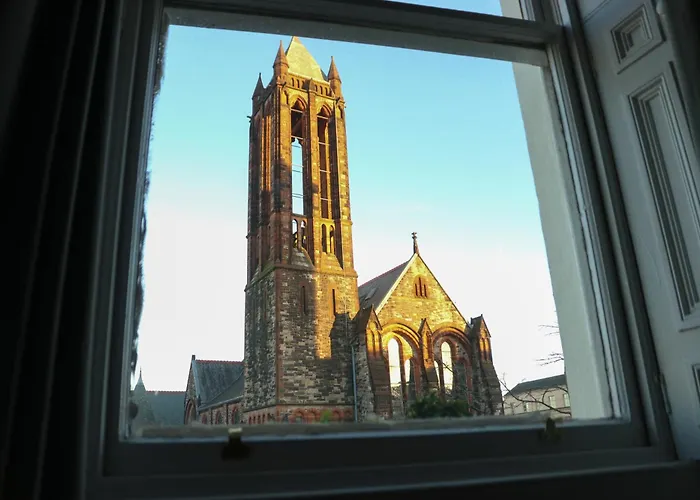
- Combine short walks with visits to nearby churches and manor houses that later rose along these paths.
- Look for interpretation boards or local heritage trails that frame the landscape in its historical context.
Exploring Roman-Era Sites in the Wider Hertfordshire Area
From Hertford, travelers can venture to better-known Roman sites across Hertfordshire and neighboring counties. While the town itself feels more medieval and Georgian in character, it sits within easy day-trip distance of several attractions with strong Roman connections:
- Museums showcasing artifacts from Roman settlements in the region.
- Remains of villas, bathhouses, and town layouts that illustrate daily life in Roman Britain.
- Archaeological parks that combine open-air ruins with family-friendly interpretation.
Planning a route that links Hertford’s relaxed charm with these nearby sites allows visitors to enjoy both countryside and culture in a single trip.
Market Town Atmosphere and Riverside Relaxation
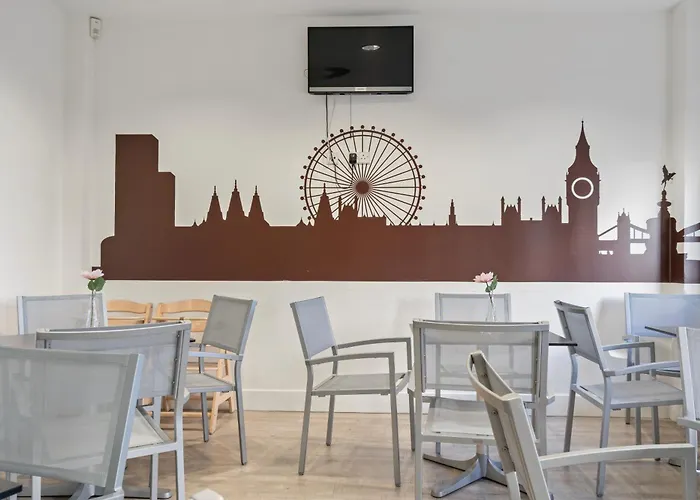
Beyond its historical setting, Hertford offers the kind of small-town English atmosphere that many travelers seek. Narrow streets, traditional pubs, independent shops, and riverside paths create a setting that invites a slower pace. It is easy to spend a leisurely afternoon wandering near the water, sampling local food, or simply watching daily life unfold in the town square.
Hotels and Places to Stay in and Around Hertford
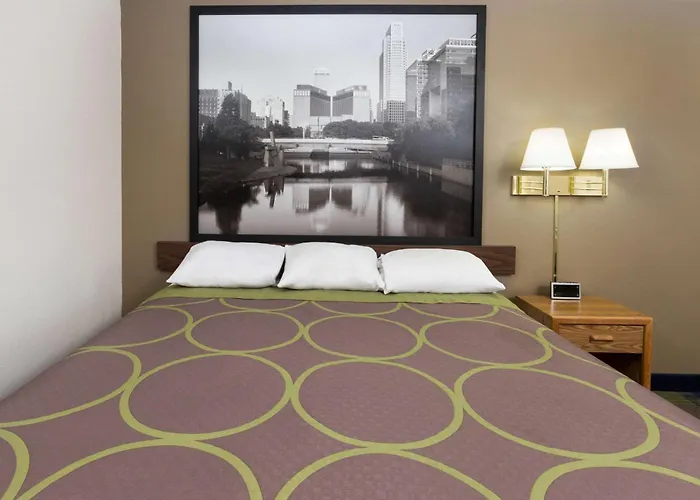
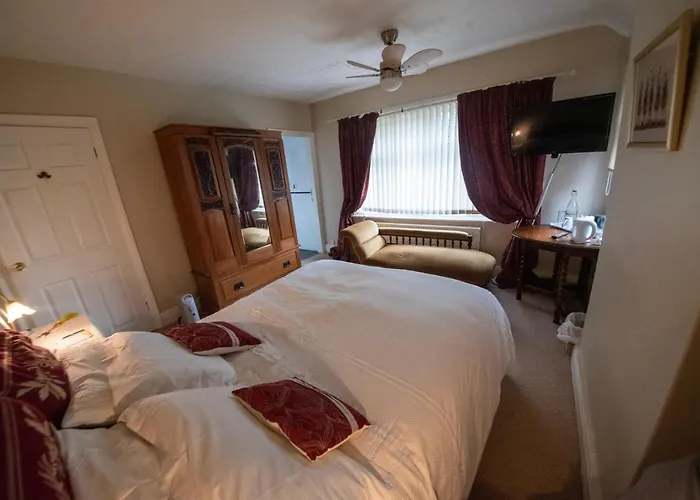
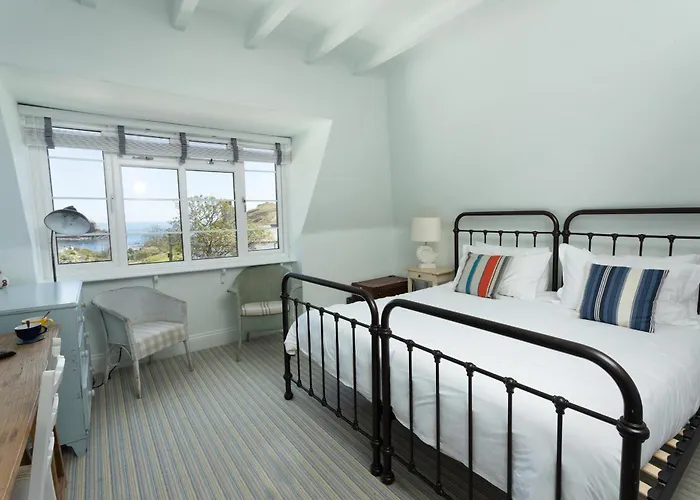
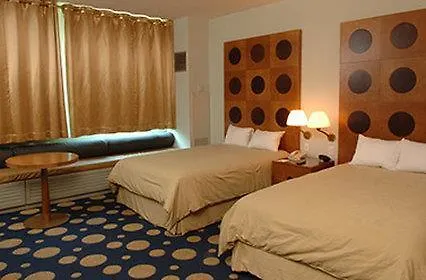
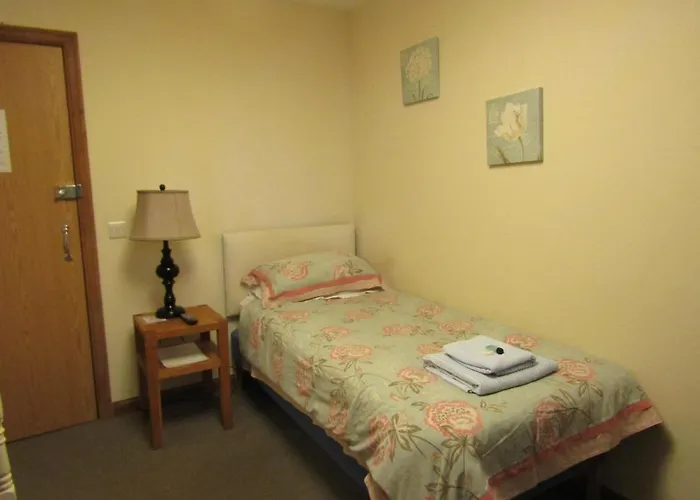
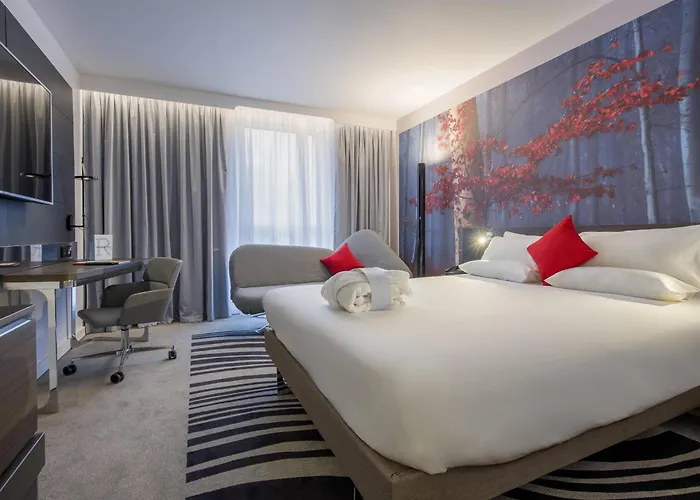
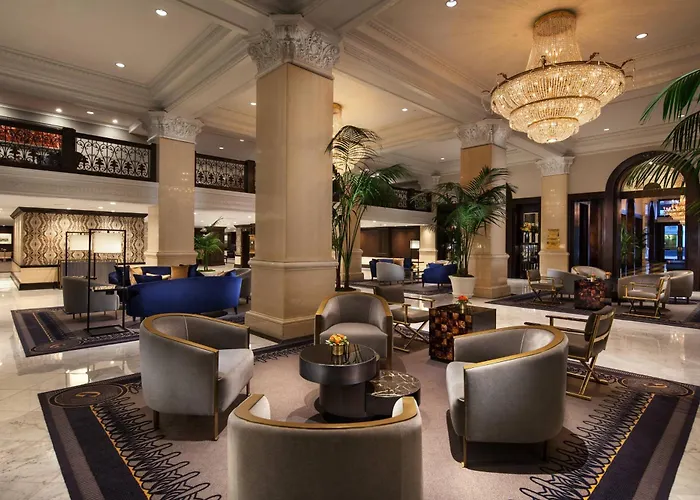
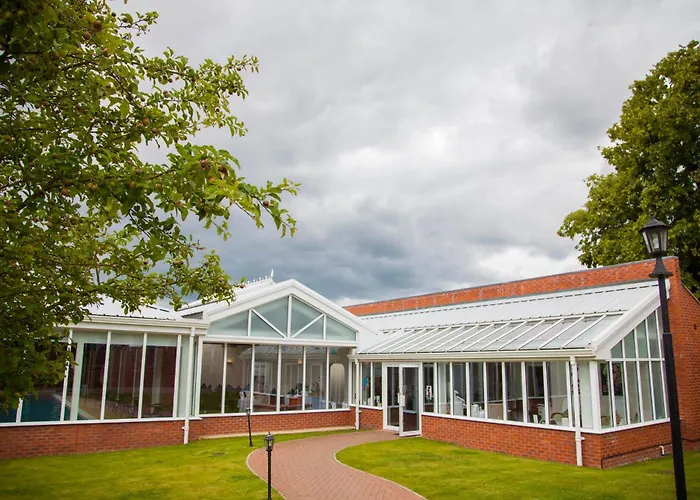
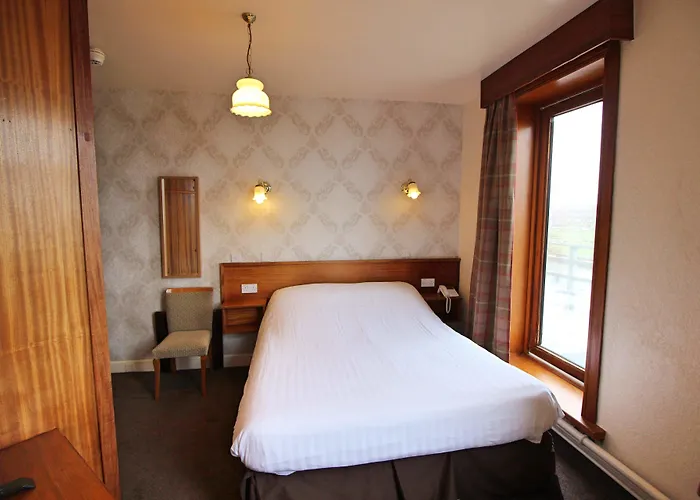
Hertford and its surroundings offer a range of accommodation choices suited to different styles of travel. Visitors interested in Roman history often prefer to stay close to transport links and walking routes, making it easy to combine heritage excursions with countryside relaxation. In and around the town you can typically find:
- Small town-center hotels and guesthouses within walking distance of shops and river paths.
- Country inns and converted farmhouses set among fields and villages along old travel routes.
- Modern accommodations near main roads or rail connections for travelers planning wider tours across Hertfordshire and southern England.
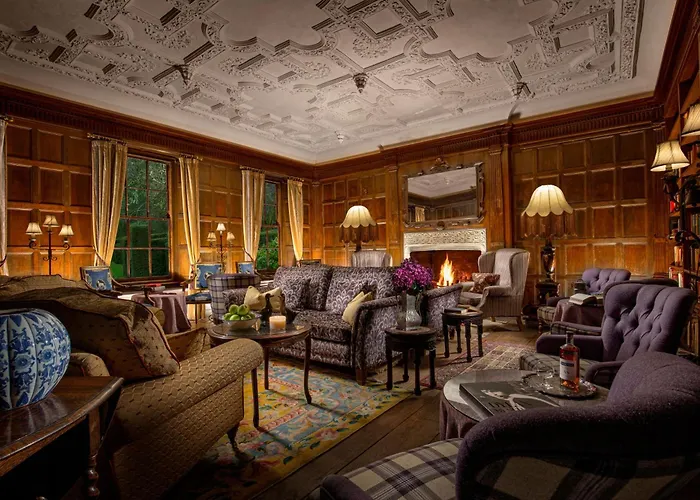
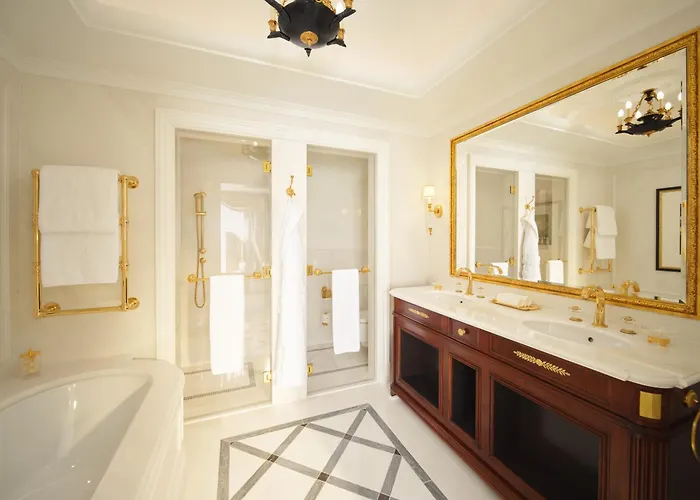
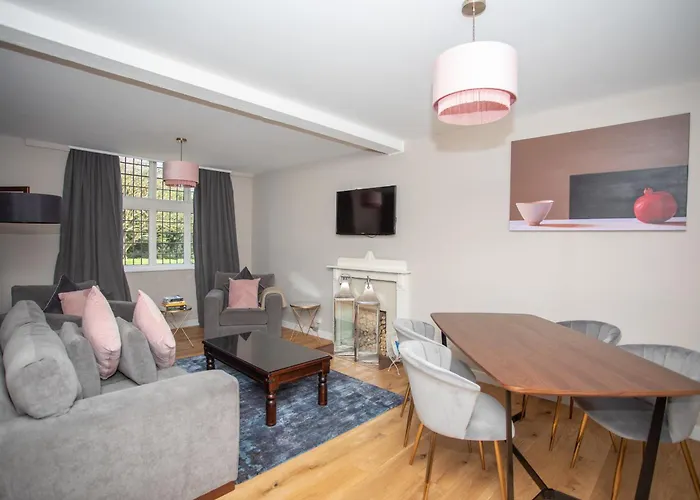
Booking a stay that includes breakfast and parking can be especially useful for those using Hertford as a base for day trips to larger Roman-era sites. Travelers who enjoy themed journeys sometimes choose period-style interiors or historic buildings to complement their exploration of Britain’s ancient past.
Norway: Northern Landscapes with a Classical Twist
While Norway lies beyond the traditional boundaries of the Roman Empire, it offers a striking northern counterpart to journeys begun in England. Travelers can weave classical themes into a Norwegian itinerary by focusing on long-distance routes, dramatic natural settings, and the idea of legions moving across frontiers at the edge of the known world.
Imagining Frontier Journeys in a Scandinavian Setting
Norway’s mountains, fjords, and coastal paths invite comparisons with the remote borderlands that once challenged ancient armies. Visitors can approach the country’s landscapes as a kind of modern frontier, where the sense of distance and changing climate echo the challenges faced by long-ago travelers:
- Hike along marked trails that climb from lowland farmland into rugged highlands.
- Take coastal ferries or cruises through narrow fjords, imagining them as natural defensive lines.
- Visit open-air museums and historical centers that explore how different cultures adapted to northern conditions across the centuries.
Urban Stops: Oslo and Other Norwegian Cities
Major Norwegian cities such as Oslo provide a cultural counterpoint to the wild scenery. Museums of history, archaeology, and maritime exploration introduce travelers to the long story of the region’s connections with the wider world. While the Roman Empire never fully extended into Norway, exhibitions often discuss contacts, trade, and the flow of ideas across Europe during the classical era.
In cities, travelers can enjoy:
- National history museums with collections spanning antiquity to the present.
- Architecture that layers medieval, modern, and contemporary design.
- Waterfront promenades ideal for evening walks after a day of sightseeing.
Staying in Norway: From Fjord Lodges to City Hotels
Accommodation choices in Norway are well suited to themed journeys that combine history, nature, and culture. Travelers can build an itinerary that mirrors an ancient campaign, moving from one type of landscape to another and changing lodging styles along the way:
- City hotels close to train stations, tram lines, and museums for easy urban exploration.
- Small guesthouses and lodges near fjords, lakes, and trailheads for hikers and photographers.
- Countryside cabins or traditional-style stays that highlight wood architecture and cozy interiors, especially appealing during cooler months.
Booking accommodations in advance is recommended, particularly in peak seasons or in smaller fjord communities where places are limited. Many travelers choose flexible cancellation policies to allow for route changes based on weather, especially when planning scenic drives or mountain hikes.
Designing a Combined Hertford–Norway Itinerary
For travelers fascinated by the idea of legions, frontiers, and historical routes, combining Hertford and Norway in a single trip can create a compelling narrative. A typical journey might begin in England, where Roman heritage is more physically apparent, and continue northward to the dramatic landscapes of Scandinavia.
Sample Thematic Route
A simple framework for a themed trip could include:
- Start in Hertford with two or three days exploring local walks, nearby Roman sites, and the wider Hertfordshire countryside.
- Visit larger heritage centers in southern England that display major Roman collections or reconstructed features.
- Fly from a London-area airport to Norway, arriving in a major city for museums and urban exploration.
- Continue into the fjord regions, choosing scenic routes that emphasize the contrast between cultivated lowlands and rugged highlands.
- End in a coastal town or city, reflecting on how ancient and modern travelers alike have relied on sea routes to connect distant regions.
Practical Tips for Seamless Travel
To make this cross-country journey smoother, consider:
- Coordinating rail travel in England with local buses in Hertfordshire for easy access to heritage sites.
- Using travel passes or cards that cover multiple forms of public transport in Norwegian cities.
- Packing layers suitable for England’s mild changeable weather and Norway’s potentially cooler, more variable climate.
- Scheduling extra time between major legs of the journey to accommodate museum visits, walking tours, or weather-related adjustments.
Cultural Themes to Watch for on the Road
Throughout both Hertford and Norway, travelers can keep an eye out for recurring themes that link their experiences across borders:
- Rivers and waterways as ancient and modern transport routes, visible in Hertford’s riverside paths and Norway’s fjords.
- Borderlands and frontiers, whether the edge of Roman influence in Britain or the remote northern landscapes of Scandinavia.
- Layered history, where each era has left traces in architecture, place names, and local traditions.
By approaching the trip as a journey through time as well as space, visitors can deepen their appreciation of both destinations and understand how different cultures have responded to similar geographic challenges.
Conclusion: A Continental Journey Inspired by Ancient Paths
Hertford in Hertfordshire and the varied regions of Norway may appear very different at first glance, but they lend themselves naturally to a shared narrative of travel, frontiers, and the movement of people across landscapes. From quiet English market streets to soaring Norwegian cliffs, this itinerary offers a distinctive way to experience Europe through the lens of ancient routes. With thoughtful planning, well-chosen accommodations, and an eye for historical detail, travelers can craft a memorable adventure that connects the world of classical legions with the realities of modern exploration.