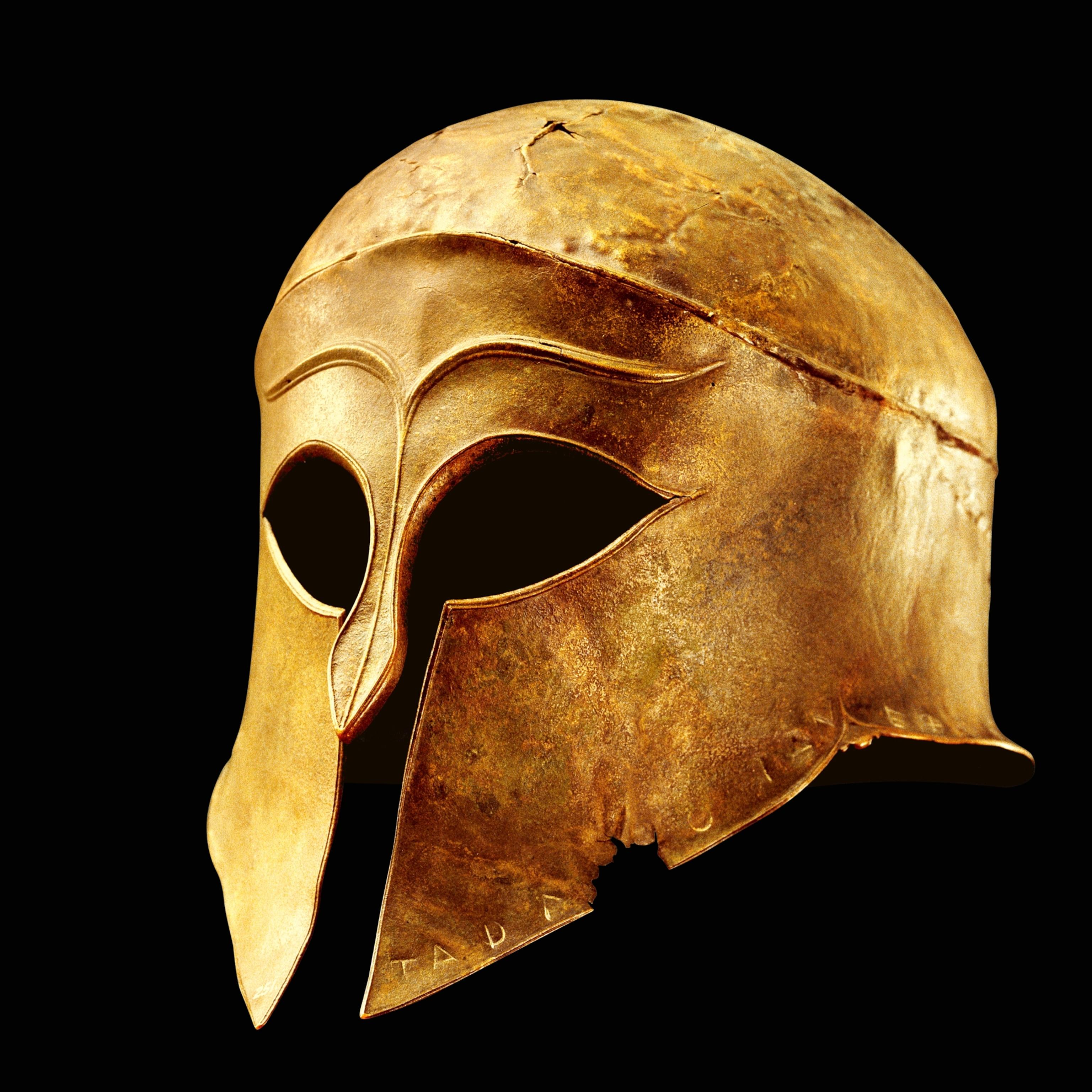
Only in the battles might and in the press of odds do we see the heroes fight and know the demi-gods! In this article, we delve into the fascinating world of ancient Greece and specifically focus on the mighty Spartans. Known for their remarkable military prowess, Sparta left an indelible mark on history. Join us as we explore the unique Spartan way of life and the significant contributions they made to the ancient world.
Sparta: The City of Warriors
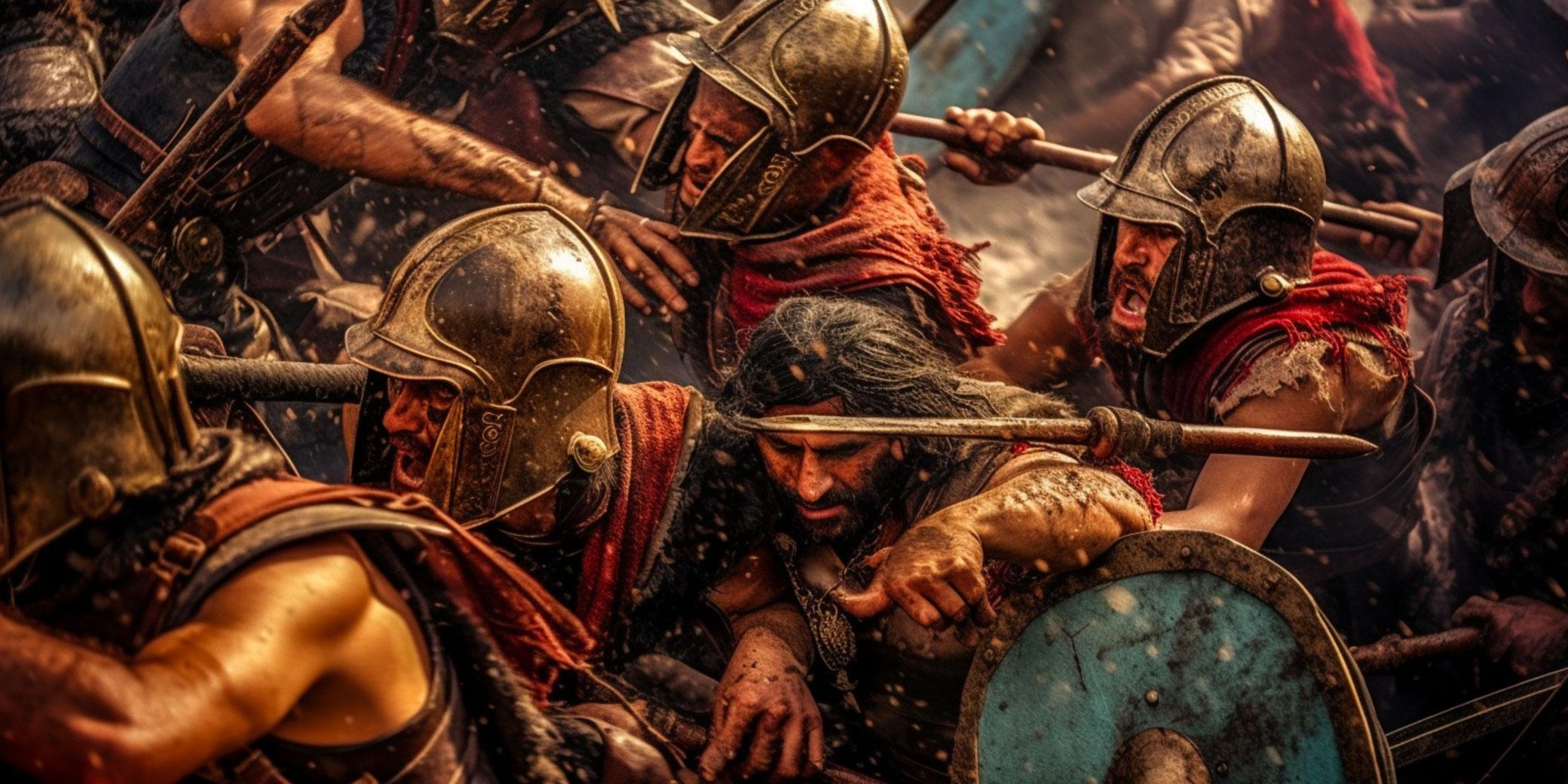
Above, you can see a battle scene from ancient Greece featuring Spartan hoplites. These warriors, depicted with shields bearing the Greek symbol 'L,' were the epitome of Spartan strength and discipline. This symbol represents Laconia, the region in southern Greece where the Spartans settled after conquering the local populace and establishing the city-state of Sparta.
During the 8th century BC, the Spartans defeated the neighboring state of Messenia, expanding their territories and ensuring self-sufficiency in food production. Sparta's unique dual kingship system, with two royal families taking turns leading the army during times of war, supplemented by religious duties during peacetime.
The Ephors and the Gerousia
Assisting the kings were the Ephors, five prominent men elected annually to oversee the day-to-day functioning of the state. These influential figures held the real power within Sparta. Further down the hierarchy was the Gerousia, or council, comprised of the two kings and 28 councilors over the age of 60. The Gerousia made policy decisions and acted as judges for Sparta.
Before passing a law or a decree, the Gerousia required the support or rejection from the Spartan Apella, consisting of all citizens above the age of 30. The Apella loudly shouted "yes" or "no" to vote, with the majority voice prevailing. This system ensured a balanced distribution of power within the city-state.
The Spartan Way of Life
From a young age, Spartan boys were taken from their parents and sent to the Taygetus Mountains for military training. Clad only in a cloak, they endured barefoot and naked, learning the art of warfare. Their meager diet often led them to steal from surrounding farmhouses, and if caught, they faced punishment from both the farmer and their instructors. This upbringing instilled resilience and survival skills to navigate the challenging environment of southern Greece.
Southern Greece, then and now, remains a mountainous and rocky region, making fertile valleys scarce. During times of war, finding enough food for large armies was a constant struggle. However, the Spartan warriors had spent thirteen years learning how to survive in such hostile surroundings.
The Mighty Triremes: Greece's Naval Powerhouses
While Spartans are predominantly known for their land-based military might, ancient Greece's naval battles played a crucial role in shaping its history. The triremes, advanced Greek attack ships, were instrumental in ensuring Greek dominance in marine warfare.
A trireme, with a carrying capacity of approximately 200 men, had 170 oarsmen, 13 sailors, and 10 warriors. The oarsmen, known as thetai, were not slaves but paid marines from the lowest ranks of Athenian society. These powerful ships played a decisive role in the Battle of Salamis in 480 BC, when less than 400 Greek ships defeated the mighty Persian navy, despite being outnumbered three to one.
The triremes' sails would be shipped when battle was imminent, relying solely on three banks of oars to propel the ship forward at speeds of up to 10 mph. During the Battle of Salamis, the Athenians lured the enemy boats into the narrow waters between the island of Salamis and the mainland, neutralizing the Persian fleet's advantage. The battering rams and hoplite boarding parties wreaked havoc, securing a monumental victory for Greece.
Bringing Ancient Greece to Life
Ancient Greece, with its fascinating history and incredible warrior culture, continues to captivate our imagination. Whether it's the Spartan warriors on land or the triumphant triremes at sea, exploring the stories and triumphs of ancient Greece brings us closer to understanding the foundations of Western civilization.
While we can only experience ancient Greece through historical accounts, there are ways to immerse yourself in its rich heritage. Museums and archaeological sites offer glimpses into the past, allowing us to witness the masterpieces created by ancient Greek artisans and the remnants of their great civilization. If you're a history enthusiast, consider visiting Greece to witness its captivating ancient wonders firsthand.