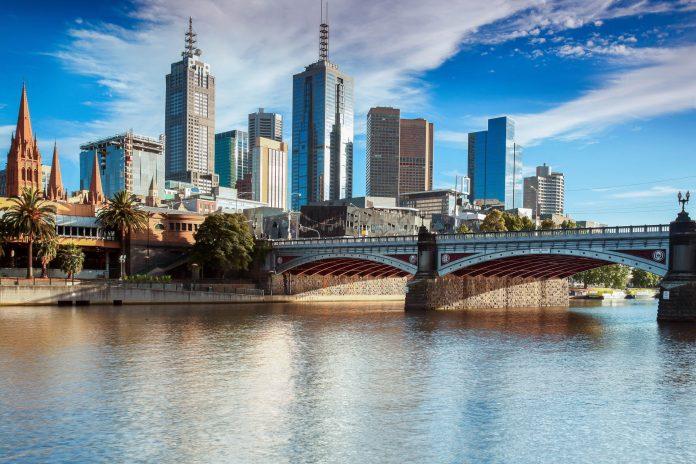
Situated along the southern coast of Australia, Melbourne, with its splendid blend of Victorian architecture, serene parks, cutting-edge skyscrapers, and intriguing museums, stands as one of the most enchanting cities across the globe.
Nestled as Australia's second-most populous city, Melbourne has often garnered the title of the world's most hospitable city. It graces our exclusive list of top 10 must-see attractions in Australia. The picturesque Port Phillip sets the backdrop for this capital city of Victoria, with the scenic Yarra River contributing to its charm. Additionally, Melbourne takes pride in being the southernmost city of the world boasting over a million residents.
Each corner of this vibrant city tells a story, inviting visitors to embark on an unforgettable journey. Notably, Melbourne is also a hotbed for emerging arts and culture, providing a dynamic, creative scene that's absolutely unrivaled.
Next time you're in Australia, make Melbourne a must-visit destination. You won't regret it.
Exploring Melbourne's Attractions
Melbourne serves as an excellent springboard for visits to unique attractions such as the Grampian National Park and the world-renowned coastal pathway, the Great Ocean Road. This iconic road deserves its recognition as one of the planet’s most aesthetically pleasing coastal routes, and it proudly stands as part of our top 10 sights in Australia. However, Melbourne isn't only an entry point to these wonders, but it's also home to numerous points of interest.
In 2013, a significant decision led to the construction of the second tallest skyscraper in Australia, superseded only by the Q1 Tower in Surfers Paradise. Located at 70 Southbank Boulevard, this towering edifice reaches 388 metres into the sky. Christened "Australia 108", its 108 levels saw it dethrone the 297-metre Eureka Tower to become the tallest skyscraper in Melbourne upon completion in November 2019.
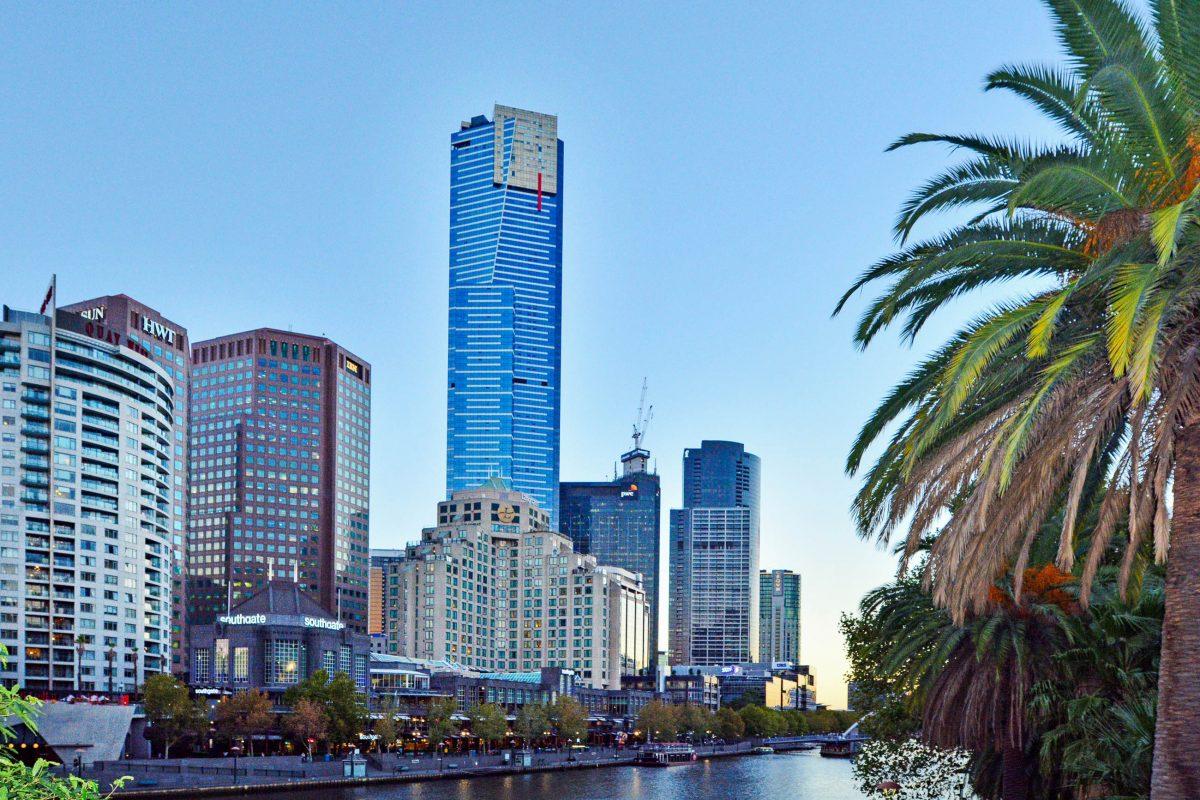
Located at the heart of Melbourne lies the great Sandridge Bridge, a structure steeped in nostalgia from bygone eras. Once a pioneering marvel of engineering, it was the first bridge on the Australian continent to service passenger trains. Redesigned in 2006, it now brandishes an innovative piece of artistry known as "The Travellers," which pays homage to Australia's melting pot of cultural diversity through nine towering sculptures, each nearing a height of 8m.
A pro tip for those exploring Melbourne during its sun-drenched summer days: be sure not to miss the array of free concerts held al fresco in the city's lush parks as a part of the Summer Fun in the Parks initiative. As night falls, join the Victoria Astronomical Society for an unparalleled opportunity to gaze upon the mesmerisingly unique constellation patterns that illuminate the southern hemisphere's night sky.
Experience the Grandeur at Queen Victoria Market
With a glorious history stretching back to the mid-1800s, Queen Victoria Market, located in Victoria Street, stands historically as the most expansive outdoor marketplace in the southern hemisphere. Spanning over a vast area of seven hectares, this iconic Melbourne landmark is a magnet for locals and tourists alike. As the sole surviving market from the 19th century in Melbourne’s buzzing Central Business District, it holds a cherished spot on Melbourne's Victorian Heritage Register. To venture through this market is to embark on a nostalgic journey into the Victorian era.
Known once for its bustling black market commerce, a comprehensive sweep in 1997 transformed Queen Victoria Market into a focal point for tourists. The market boasts a rich diversity of offerings, from fresh meats, seafood, and garden-fresh fruits and vegetables to gourmet delicacies. It's also a treasure trove for shoppers seeking shoes, jewellery, clothing, and artisanal crafts. Special mention must go to the market's donut carts, a delicious tradition spanning over five decades. On the environmental front, the market houses Melbourne's most significant solar installation, turning it into a beacon of renewable energy.
Delve into History at Melbourne Museum
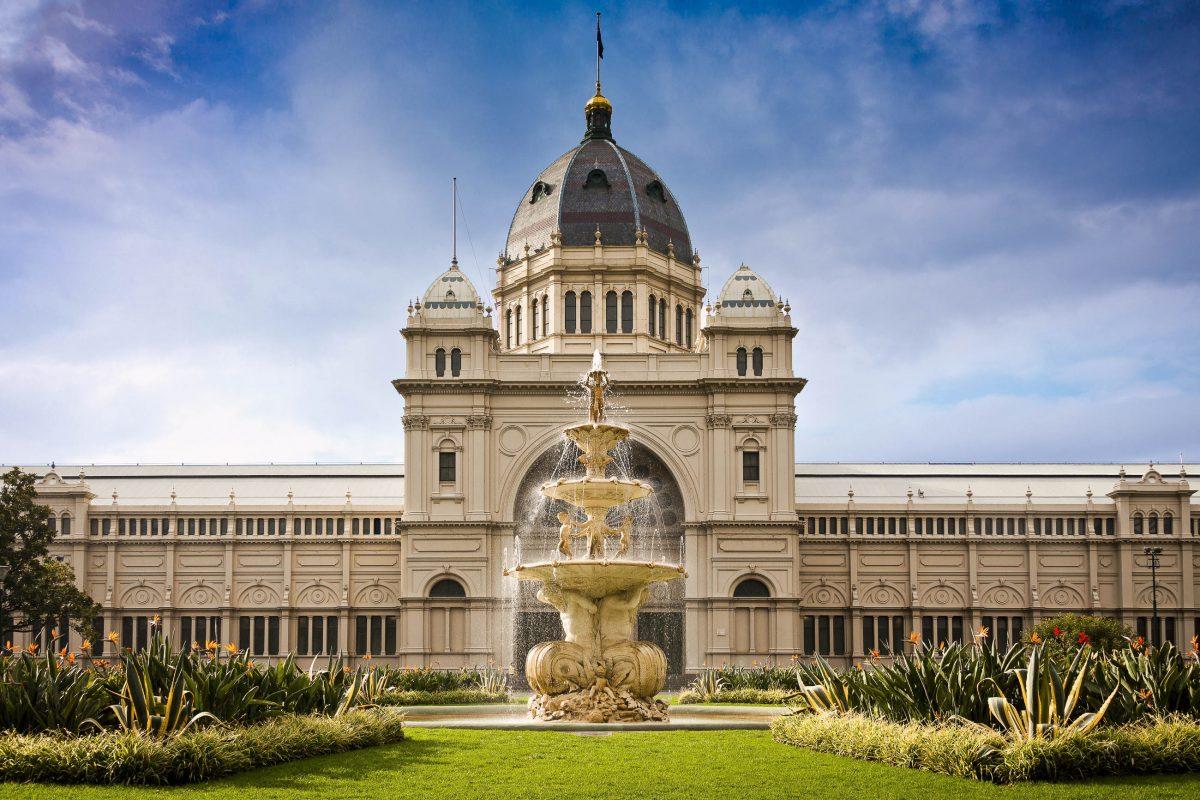
Continuing east along Victoria Street, you'll eventually find yourself in the enchanting Carlton Gardens. This is the proud location of the Melbourne Museum, notably the most expansive museum in the southern hemisphere. Since its grand opening in November 2000, it has fascinated visitors with its vast collection of more than 16 million items spread across a massive 80,000 square meter space. It also houses the impressive Royal Exhibition Building, a venue renowned for hosting grand exhibitions repeatedly.
Noteworthy attractions within the Melbourne Museum include the breathtaking Forrest Gallery, reaching 30m in height. It showcases an awe-inspiring collection of 80 different plants and 25 unique animal species. Equally mesmerizing is their collection of Australian and Chinese dinosaur exhibits. Additional fact, the museum is renowned for its Bunjilaka Aboriginal Cultural Centre which tells the story of Aboriginal Victoria through artefacts, art and interactive displays. Another enticing detail is that the museum holds a major collection of Australian flora, fauna and fossils in its Discovery Centre.
State Parliament House
From the Melbourne Museum back onto Victoria Street, you come to the State Parliament House on Spring Street. This was built in 1855 and is now the largest 19th century public building in Australia.
When Melbourne was the capital of Australia at the beginning of the 20th century, the Australian government was based here. Today, the Parliament House is where the sessions of the Parliament of Victoria meet and are open to the public. The Parliament of Victoria can also be visited on guided tours.
Saint Patrick's Cathedral
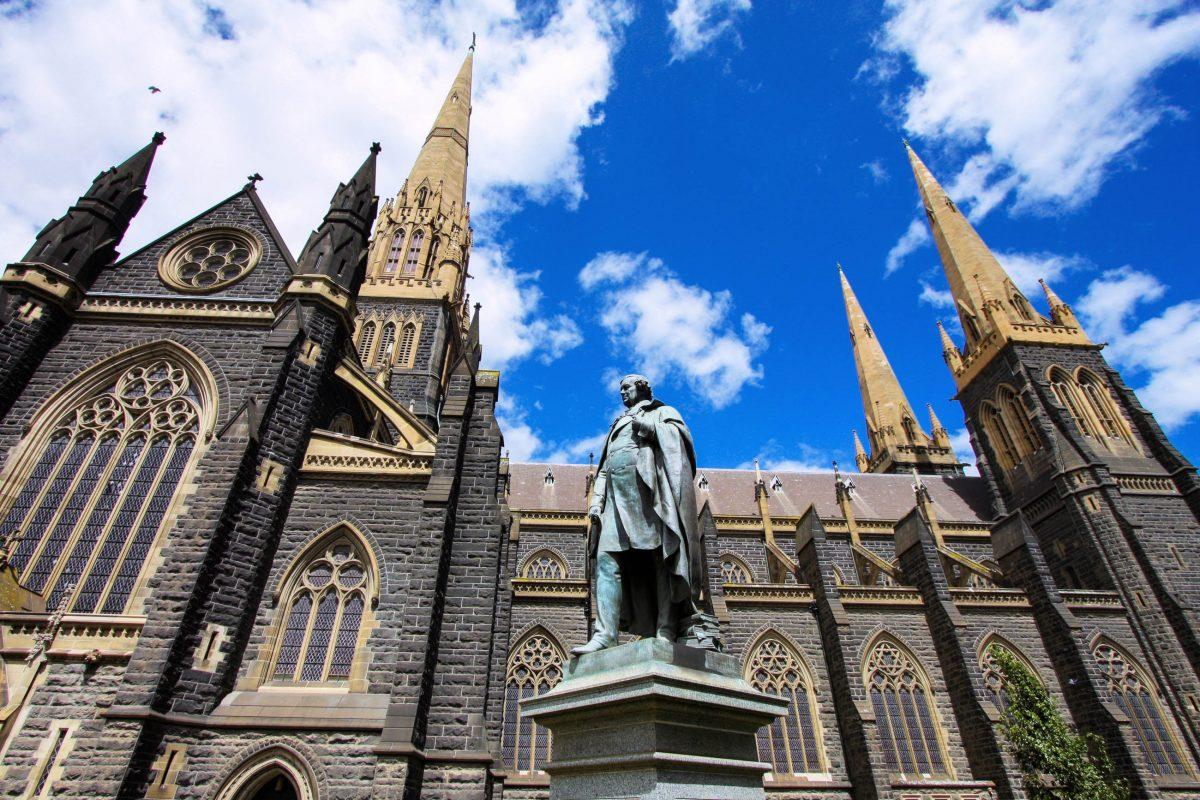
Just behind the State Parliament, the 105m high tower of Melbourne's Roman Catholic St. Patrick's Cathedral is visible. The neo-Gothic cathedral dates from the 1850s and is one of the largest churches in Australia. Its magnificent exterior and the imposing interior by architect William Wardell are based on the design of European cathedrals and are in no way inferior to their models.
Fitzroy Gardens and Cook's Cottage
The 26-hectare romantic parkland of Fitzroy Gardens behind Saint Patrick's Cathedral was laid out in 1848 and hides a historical surprise. The house that once stood in Yorkshire, England, and belonged to the parents of the adventurer and explorer James Cook, the first European to set foot on Australian soil in 1770, was rebuilt here in 1933. Today, Cook's Cottage, built in 1755, is the only building on the Australian continent that dates back to the 18th century.
Saint Paul's Cathedral
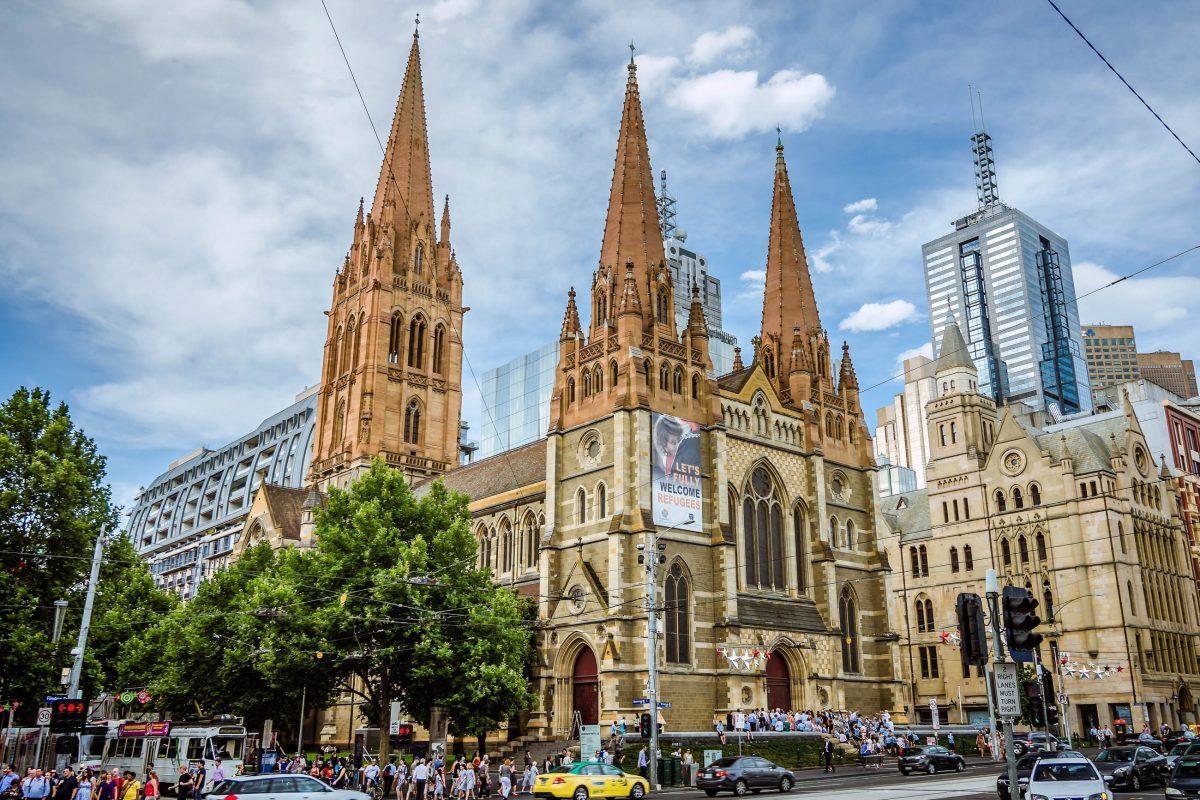
Only 15 minutes' walk southwest of Saint Patrick's Cathedral is the Anglican St. Paul's Cathedral. On the way there, it is worth taking a walk through Collins Street, which is one of the most beautiful streets in Melbourne with its historic houses from the Victorian era. St Paul's Cathedral was built by William Butterfield and consecrated on 22 January 1891.
Federations Square and Flinders Street Station
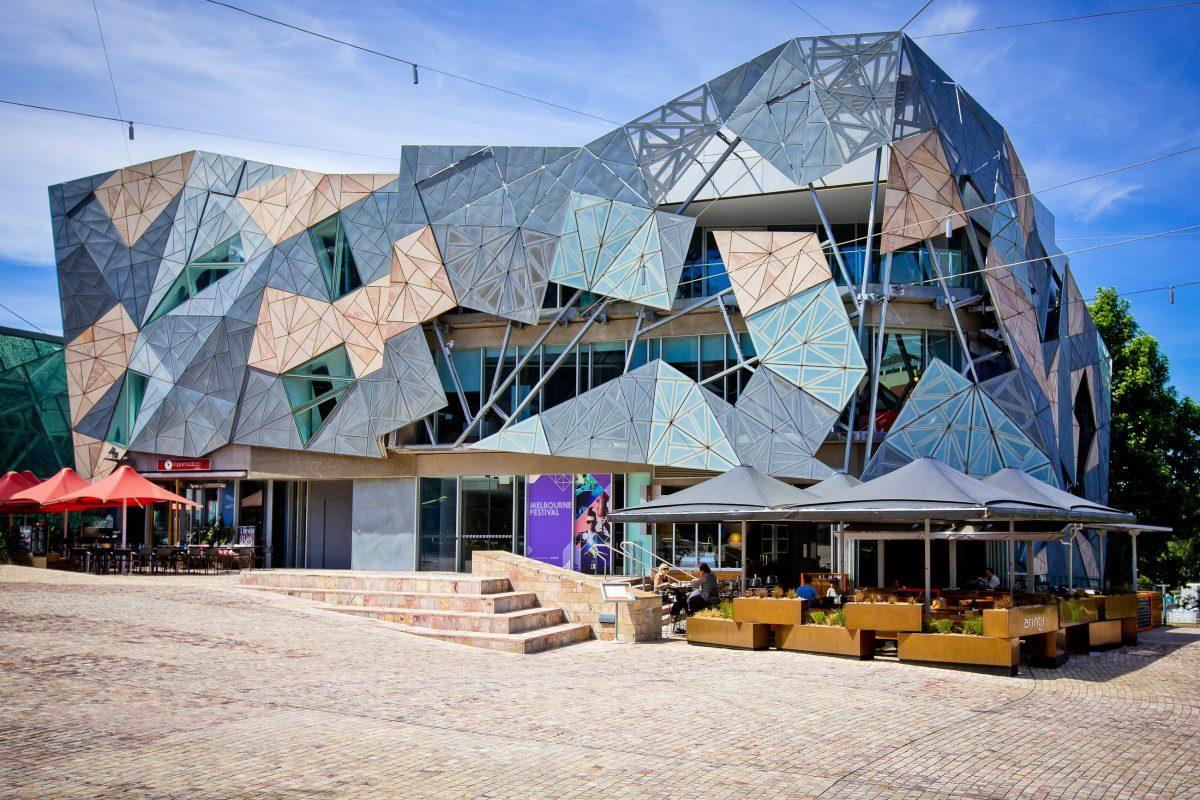
Federations Square is located directly opposite St. Paul's Cathedral and is the centre of public life in Melbourne with cafés, bars, restaurants and cultural facilities. In addition to architecturally striking buildings, such as the futuristic SBS station, a broadcasting building, or the Australian Centre for the Moving Image (ACMI), Melbourne's tourist information is also located here.
Diagonally opposite Federations Square sits the historically valuable Flinders Street Station, which was Melbourne's public transport centre back in the 19th century.
Immigration Museum
If you follow Flinders Street towards the harbour, you come to the historic Customs House with the Immigration Museum, which, like the Melbourne Museum and the Scienceworks Museum near the West Gate Bridge (incidentally the third longest bridge in the country), is part of the "Victoria Museum". Since 1998, it has been providing information about the history of Australian immigrants and is also famous for its "Long Room", which is considered a remarkable example of neo-Renaissance architecture.
Melbourne Aquarium
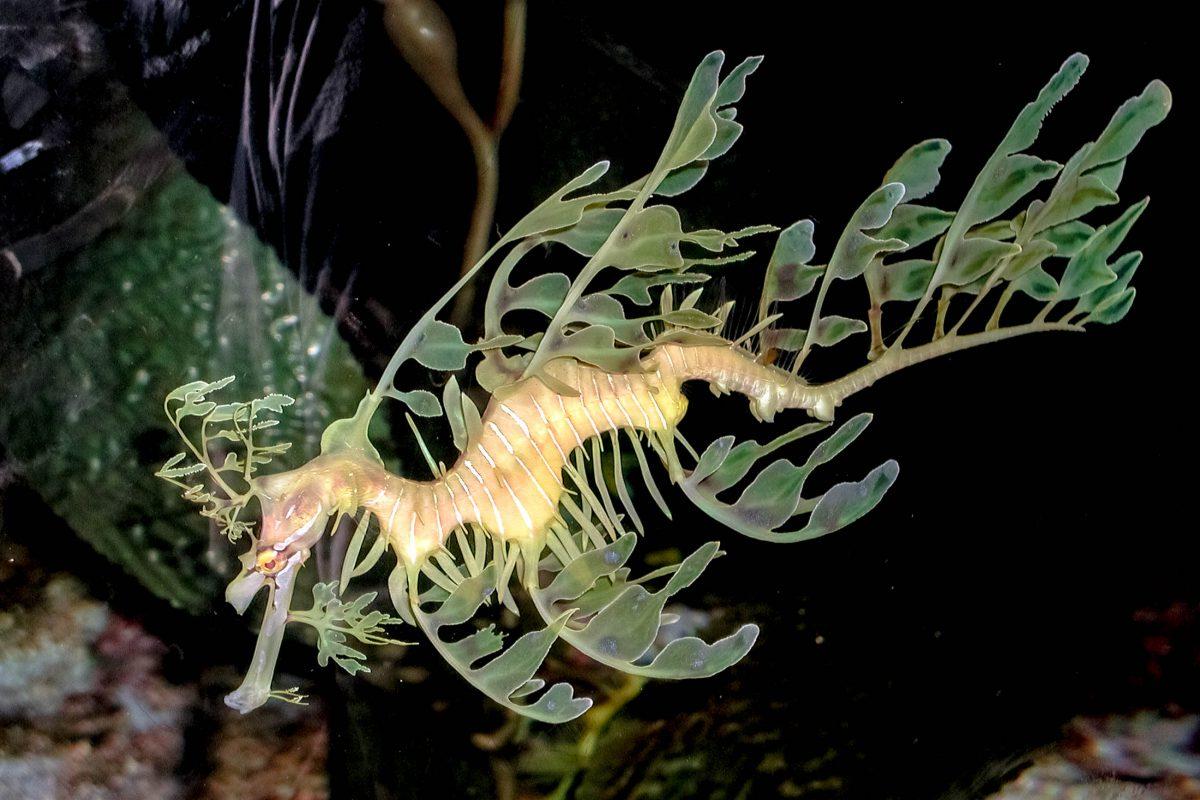
Just a few metres from the Immigration Museum is Sea Life Melbourne Aquarium, which opened in 1999 and is best known for its sharks, jellyfish and Antarctic fish. It also boasts one of the few aquariums in the world that has succeeded in breeding the curious ragged fish in captivity.
National Gallery of Victoria and Queen Victoria Gardens
Back at Flinders Station, the Princess Bridge leads across the Yarra River into St. Kilda Road. On this road, right next to the famous Queen Victoria Gardens, is the National Gallery of Victoria. It was opened in 1861 and is today the largest and oldest public gallery in Australia.
In addition to Australian artists, works by Picasso, Rubens, Rembrandt and other international greats from the art scene are also presented. Some of the 65,000 exhibits are accessible free of charge and are visited by around 1.5 million people every year.
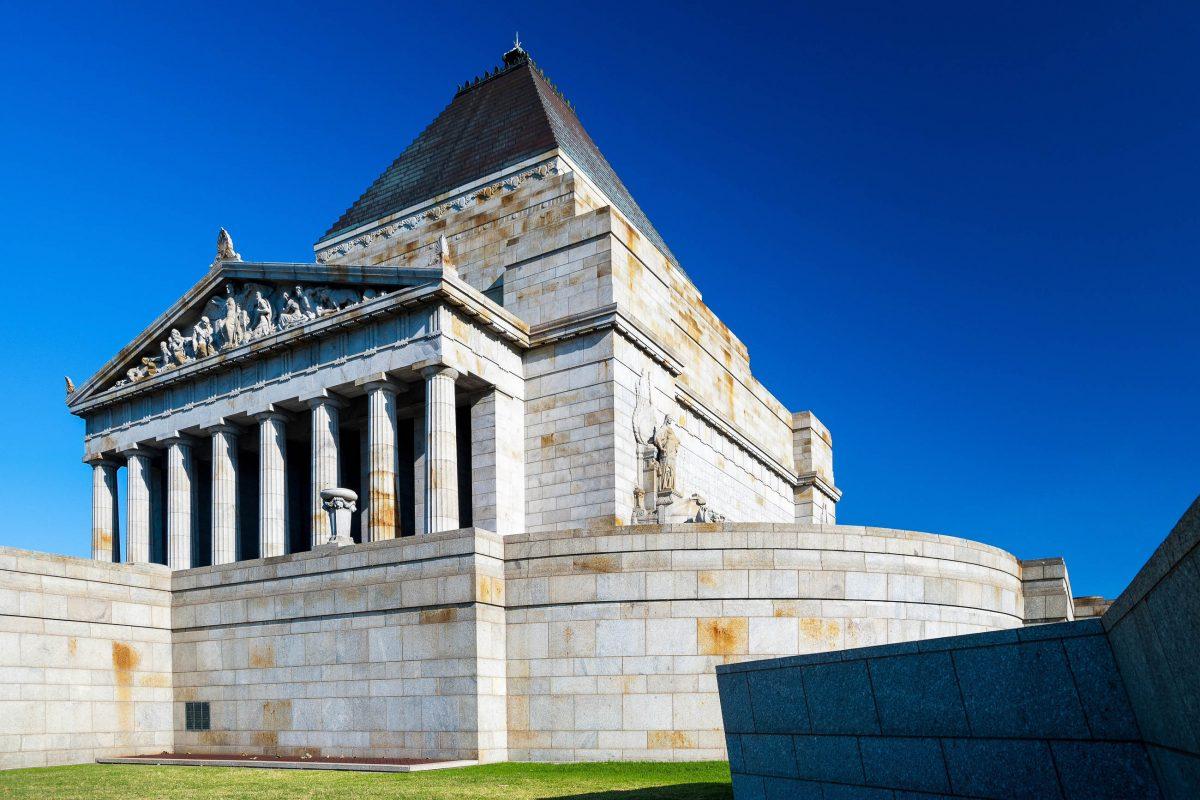
Further south on St. Kilda Road are the Queen Victoria Gardens, which were created in her memory after the death of the Queen of England in 1901. In addition to a floral clock of 700 flowering plants, the magnificent park also contains the Shrine of Remembrance, one of Australia's largest war memorials.
In the southern part of the Queen Victoria Gardens are the Royal Botanical Gardens of Melbourne, which contain 10,000 different native and exotic plant species.
After a full day of sightseeing, you might want to rest and recharge in one of the many chic and comfortable Victoria hotels in Lygon Street located close to these marvelous attractions. Providing easy access to this amazing part of the city, these hotels ensure you can make the most of this cultural hotspot.
Sporting events in Melbourne
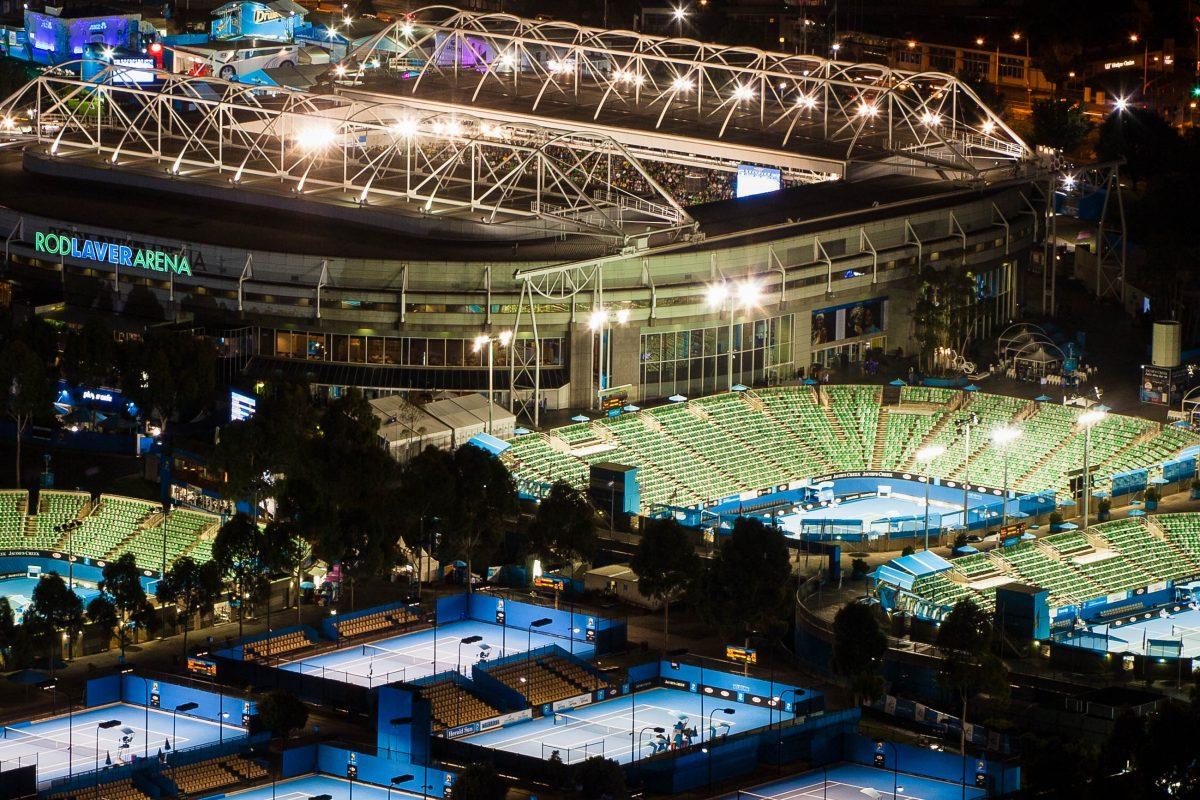
Melbourne can be described as the sporting capital of Australia, with the continent's most important national and international sporting events being held here.
The Grand Slam tournament Australian Open, where tennis greats from all over the world compete every year in January, enjoys great worldwide attention and the racing world also looks to Australia for the start of the Formula 1 season, when the cars fight for the podium at the Albert Park Circuit in St. Kilda in the first Formula 1 Grand Prix of the year.
Not of much international interest, but nationally significant, is Melbourne Cup Day, which takes place every first Tuesday in November and was declared a public holiday in 1877. Australia ' s biggest horse race is held at Flemington Racecourse in the north of the city as part of the Spring Racing Carnival.
Also of national importance is Australia's most popular sport, Aussie Rules, whose finals are held annually at the Melbourne Cricket Ground, one of the largest stadiums in the world with just under 100,000 seats.
History of Melbourne
Melbourne used to be an important meeting place for several Aboriginal tribes and was first settled by whites in 1835. John Pascoe Fawkner and John Batman, who bought 240,000 hectares of land from the Aborigines for the settlement, are considered the "founders" of Melbourne. Unlike other settlements in south-eastern Australia, which were often convict settlements, Melbourne was thus planned as a residential settlement and was given wide streets and spacious parks from the start.
The city was named after Lord Melbourne, then Prime Minister of Great Britain, in 1837. Just three years later, Melbourne was home to 10,000 people. The population exploded in the 1850s due to the Victorian Gold Rush and Melbourne went from being a quiet residential area to the commercial and business centre of the southern continent. From 1901 to 1913, Melbourne was the capital of Australia and thus the seat of the Australian government until Canberra was established as the new capital.
Sydney Opera House
The Australian Outback
Uluru (Ayers Rock)
Twelve Apostles on the Great Ocean Road
Coober Pedy
Kings Canyon in the Northern Territories