The highlights of the autonomous kingdom of Navarre, in north-eastern Spain

If you're looking for a Spanish destination off the beaten track, the autonomous kingdom of Navarre is definitely for you. The region is located in the north-east of the country and borders the Basque Country, La Rioja and Aragon. The capital and tourist centre of Navarre is Pamplona, where the famous annual San Fermín bull race takes place in early July. If you're planning a trip to Pamplona, here are a few places to visit! You can believe us: Navarre and its great variety of nature and activities, as well as its warm people, have inspired us!
In this article, we present the most beautiful places and things to do in and around Pamplona in Navarre - our highlights with useful tips for a short trip.
Important sights in Navarre
1. pamplona
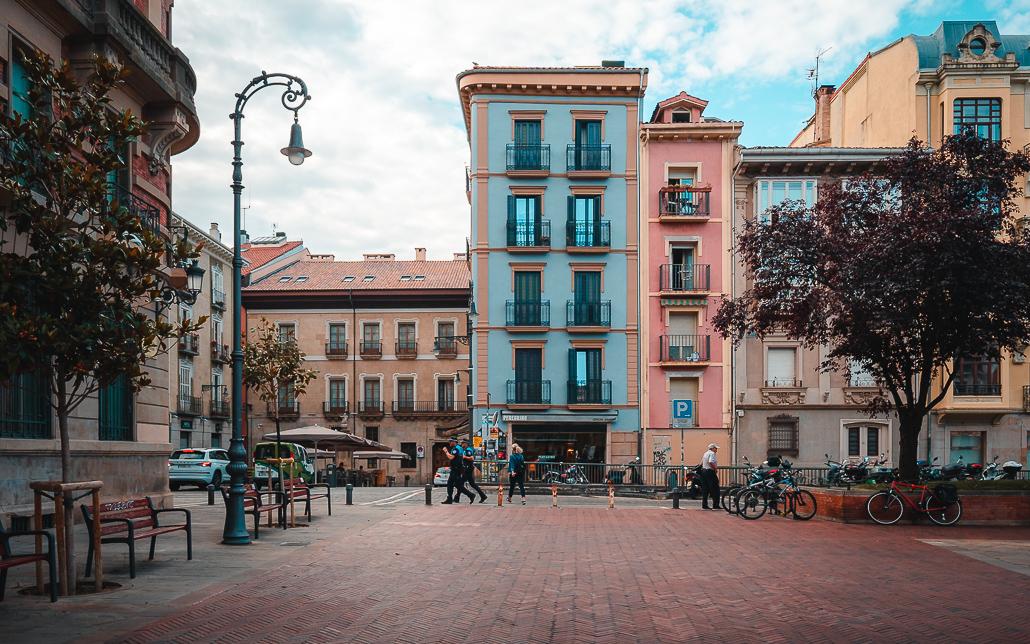
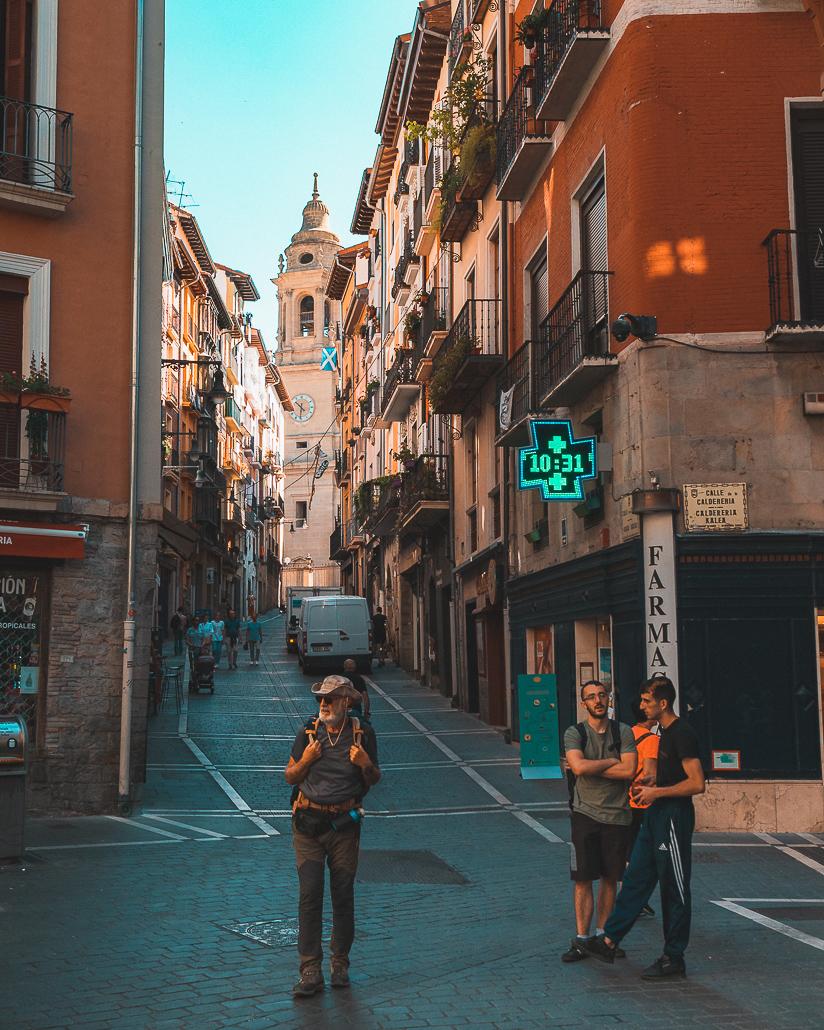
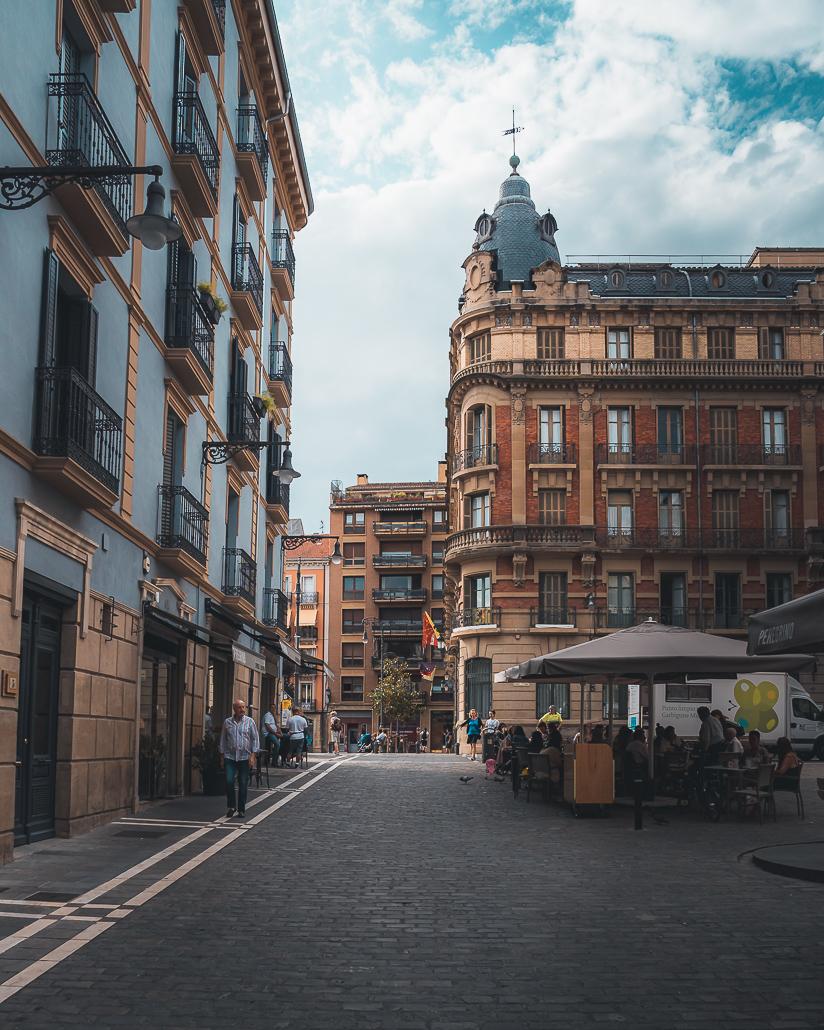
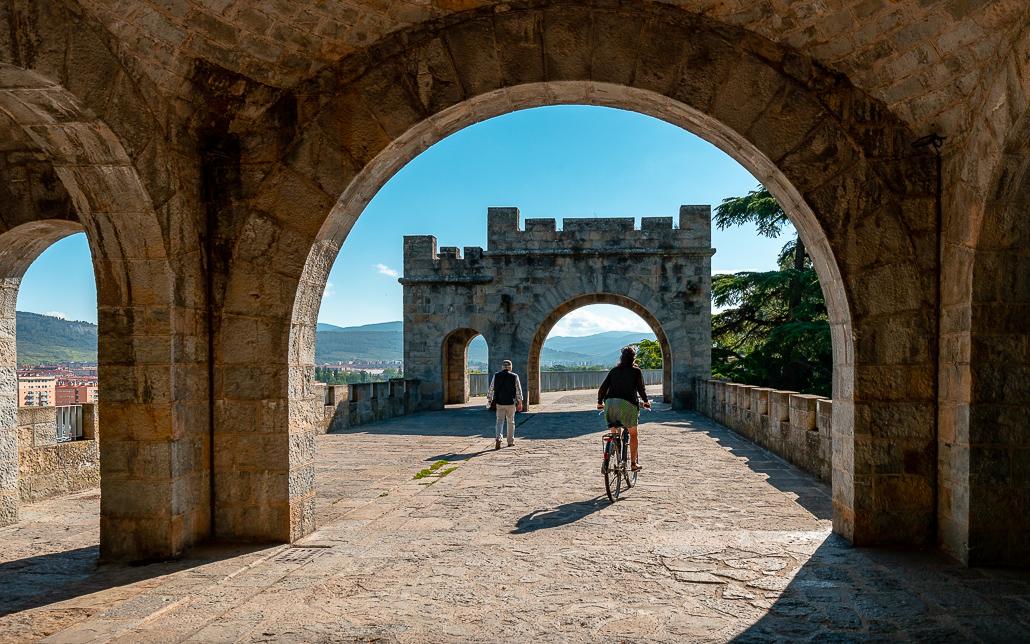
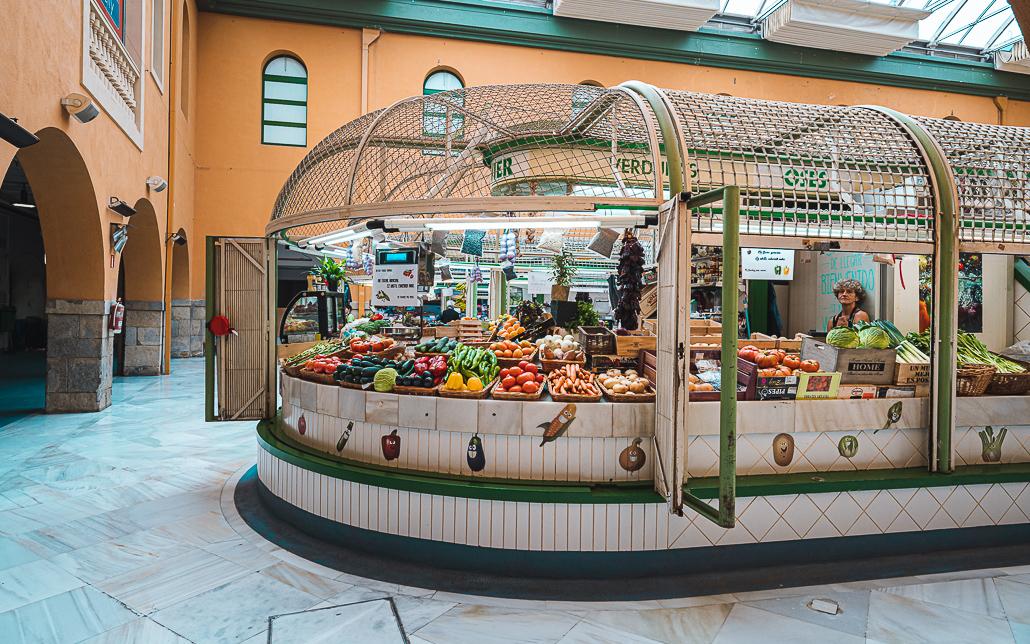
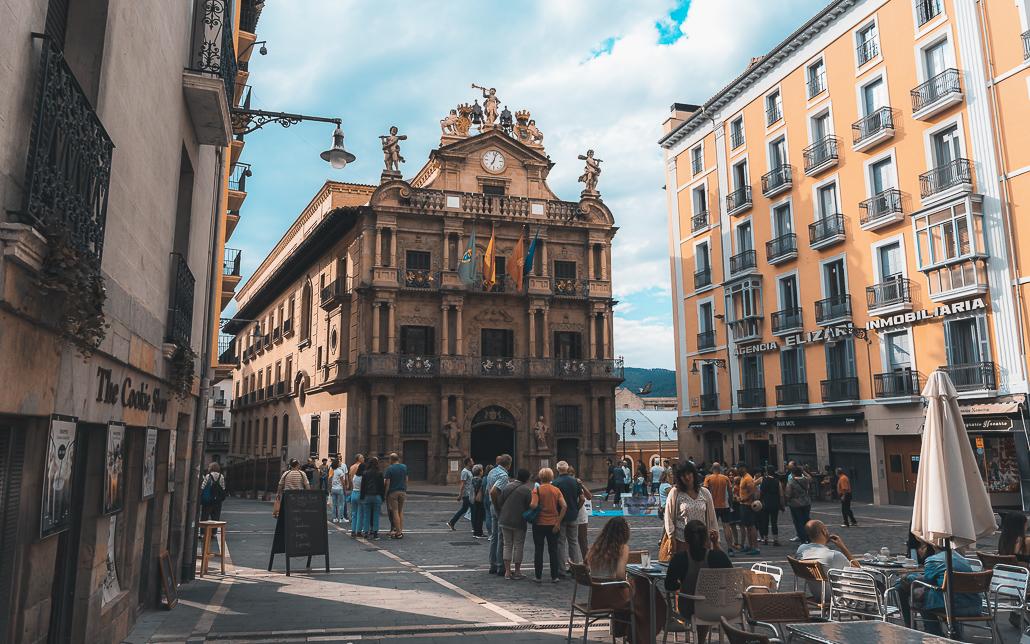
Pamplona is the capital and largest city of Navarre. The centre of the region is ideal for exploring on foot and you can lose yourself in the narrow streets of the old town with its pintxos bars and small shops. This historic quarter, through which the bulls are driven in July during San Fermín, has several highlights you should visit, including the Town Hall with its impressive façade, the Cathedral of Santa María la Real - built in the Gothic style and one of the best-preserved cathedrals in Europe - and Pamplona's city walls. Not to forget the Plaza del Castillo in the south of the old town. Locals like to call it the living room, and here you can sit down at one of the many bars and restaurants and enjoy the typical cuisine of Navarre.
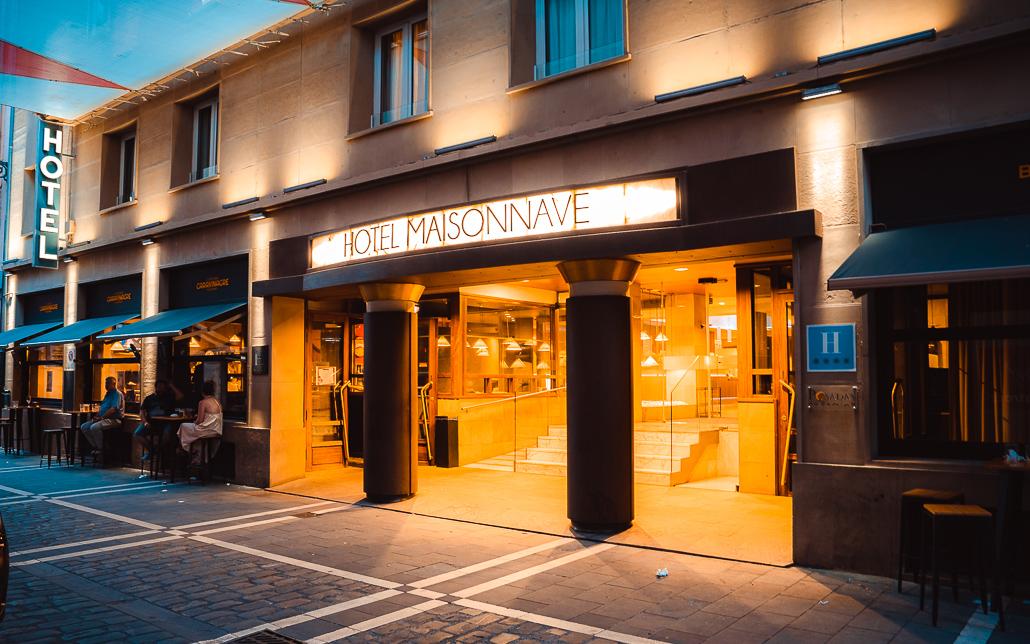
Our tip: Find a hotel in the centre, like the Hotel Maisonnave, where we stayed most nights in Navarre.
Food and drink: Take a pintxos tour with Bea from Pamplona Food and discover the award-winning and best pintxos in Pamplona. See below for more restaurant recommendations.
2 Ochogavía
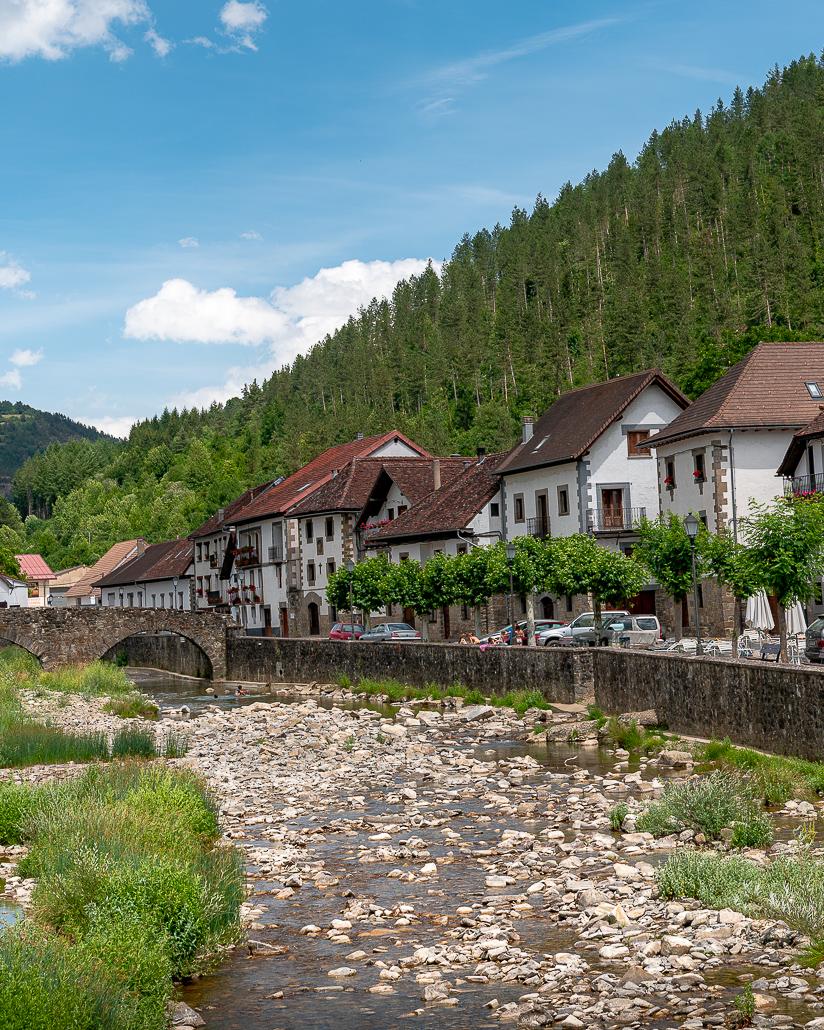
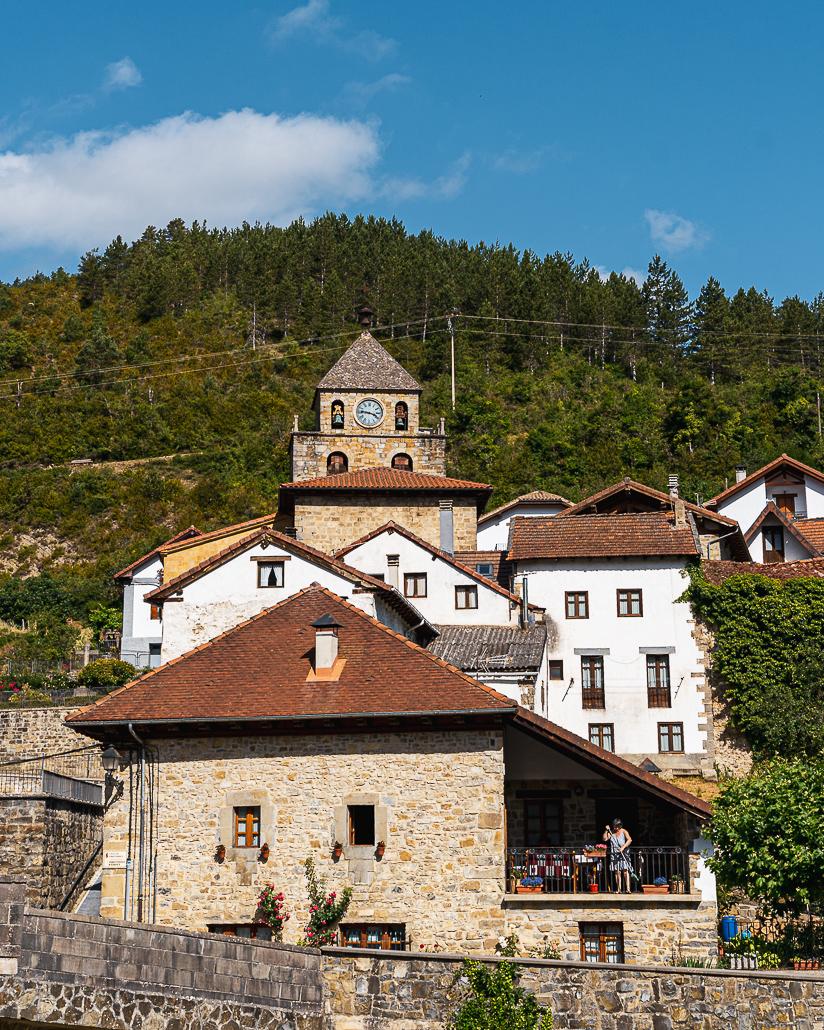
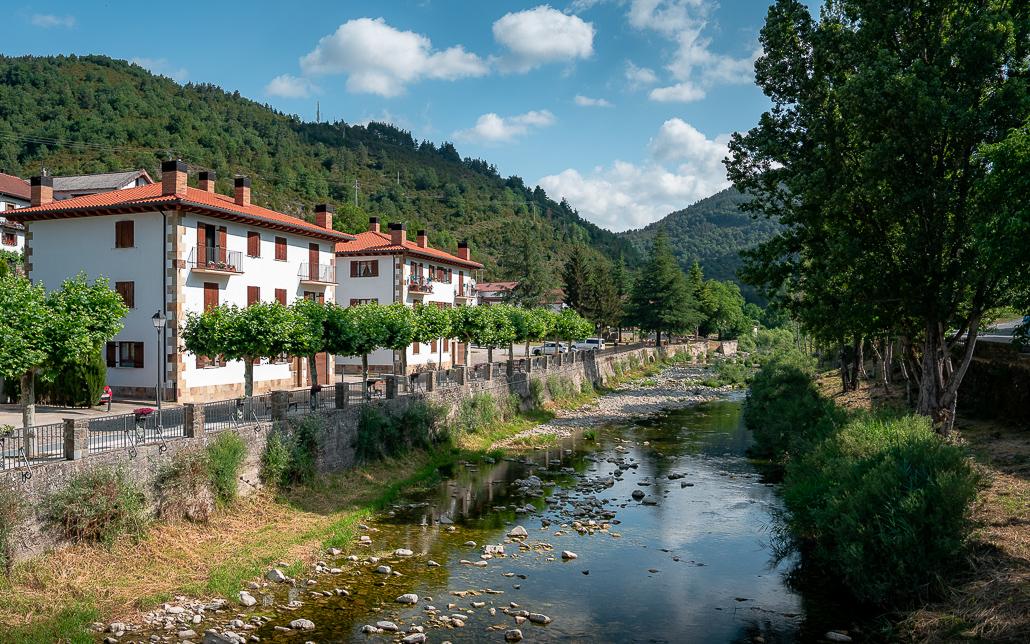
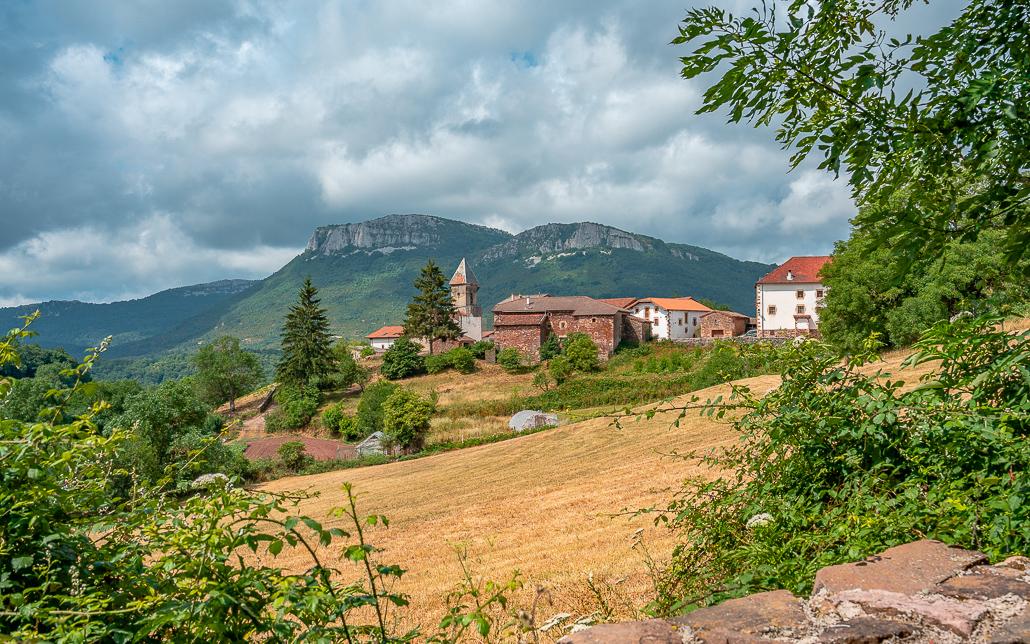
Everything is beautiful in the Pyrenees, and according to locals, Ochagavía is one of the most beautiful villages in Spain. Wander through the small and sometimes steep streets, cross the stone bridge over the river Salazar and enjoy the flair. Ochagavía is considered one of the starting points to the Irati Forest, the second largest beech and fir forest in Europe (after the Black Forest in Germany).
Look out for the town sign, which depicts a wolf: Because the name of the town, which is Otsagabia (Otsoen habia) in Basque, means "nest of wolves" (but unfortunately we didn't meet any of the fluffy fellows).
Lunch: Restaurant of the Hotel Rural Auñamendi with a menu of the day made with products from the mountains of Navarre
3 Valle de Salazar, Selva de Irati - in the heart of the Pyrenees
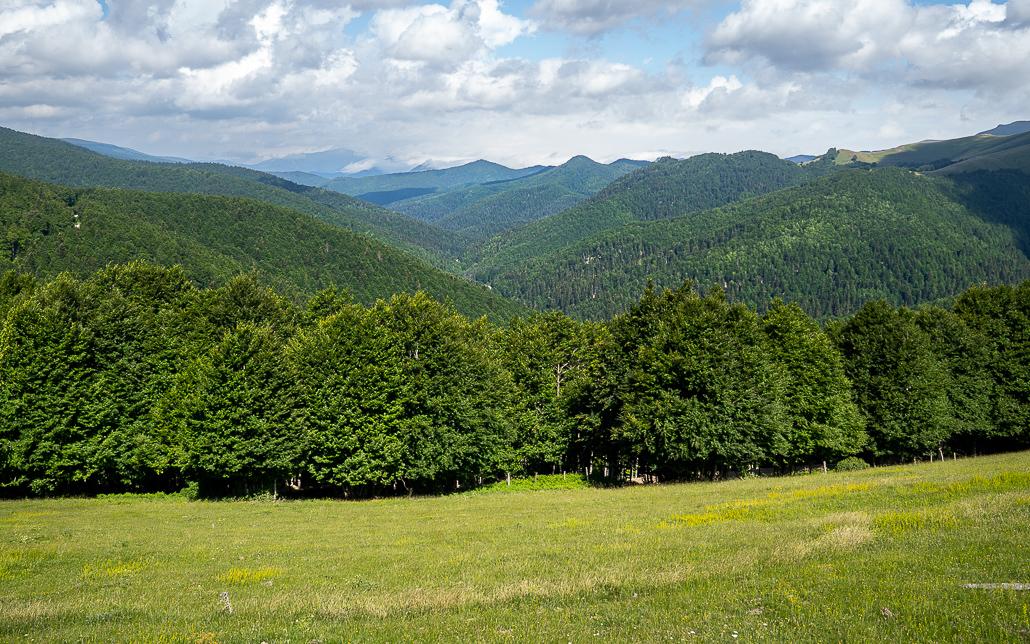
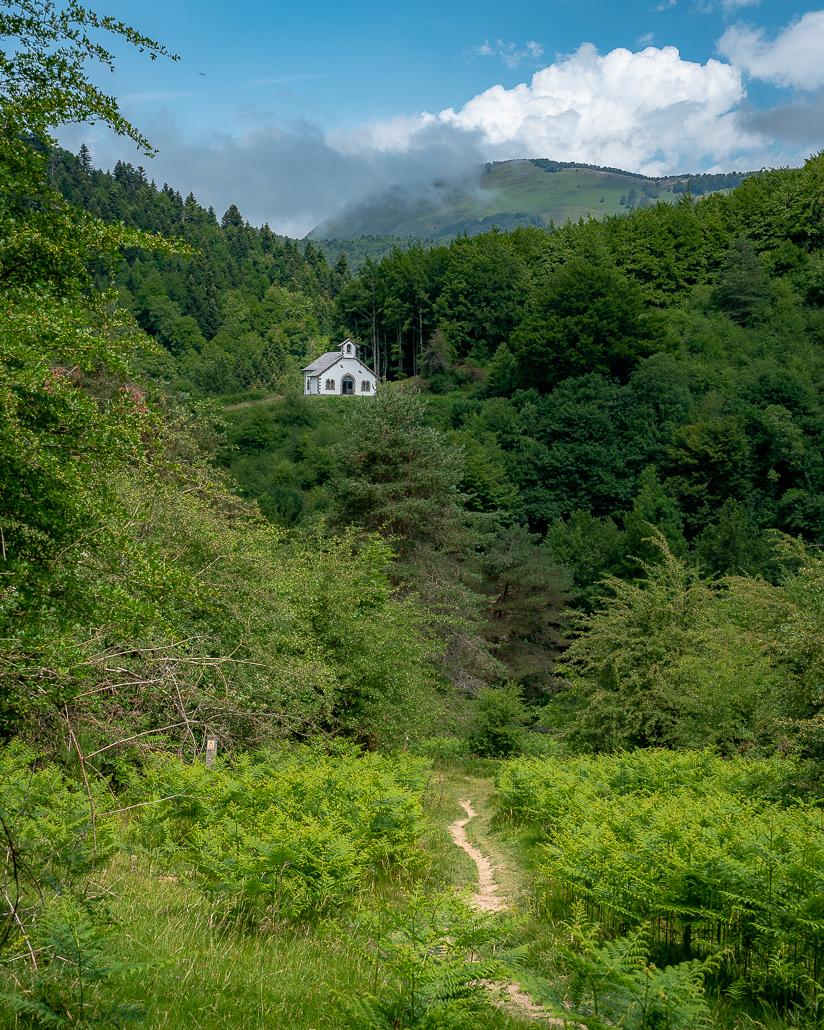
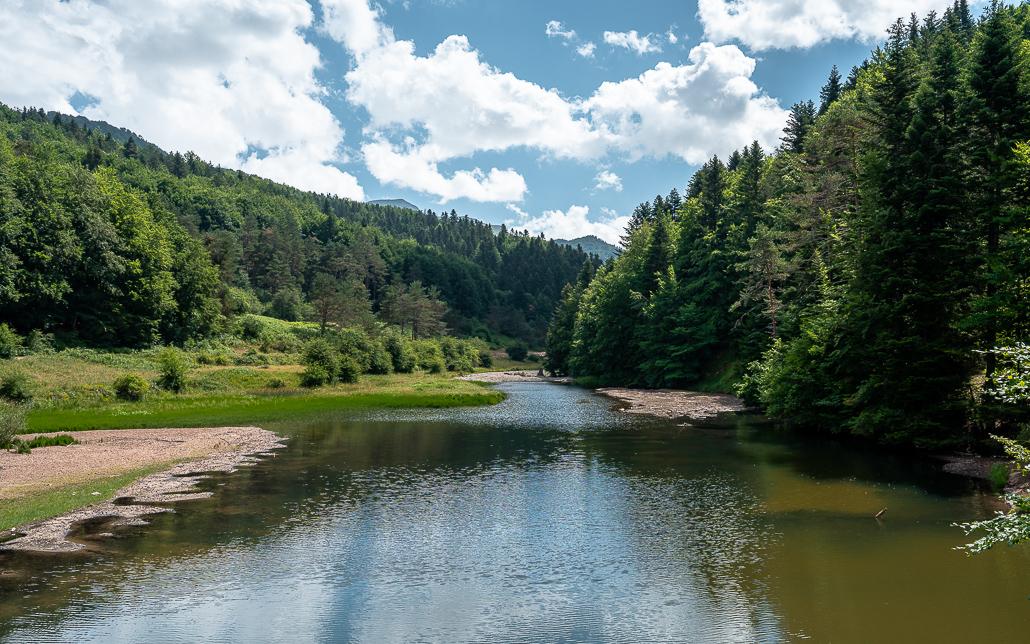
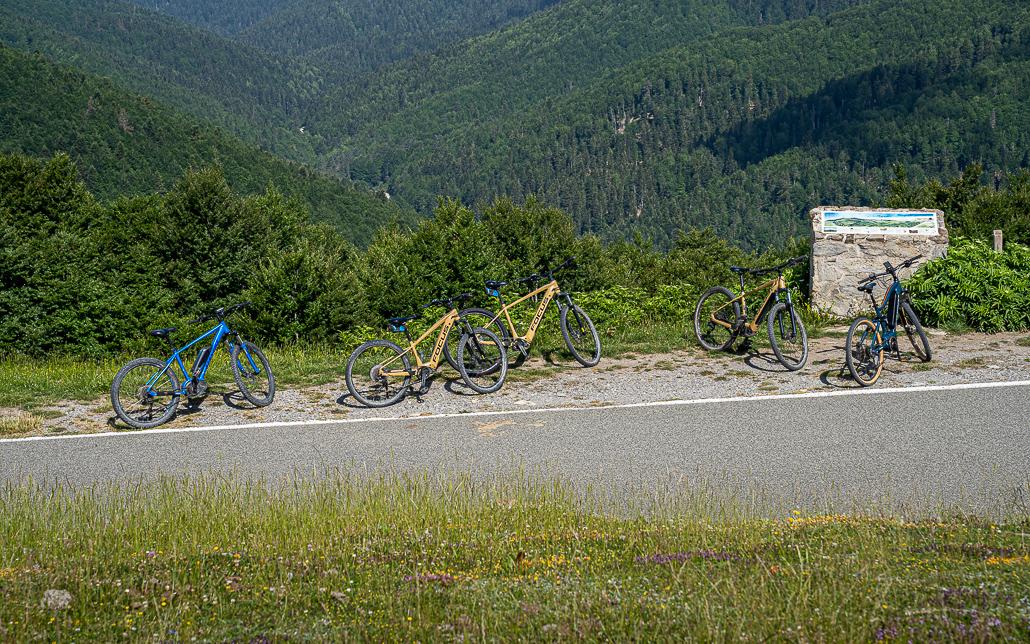
We leave Ochagavía to see more of the Valle de Salazar, the valley where this beautiful village is located. For the Salazar Valley not only nestles against the Spanish Pyrenees, but also harbours the huge Irati Forest (Selva de Irati), one of the largest and best-preserved beech-fir forests in Europe. After riding up the switchbacks and passing mountain villages and meadows with cows and horses, we reach the Irati-Abodi Mountain Centre (Pikatua area) to take an e-mountain bike tour on trails in the Irati forest close to the border with France up to the Casas de I rati.
The impressive forest of about 17,000 hectares occupies this valley at the beginning of the Pyrenees. From Casas de Irati, you can go hiking and mountain biking on different routes and levels of difficulty from the entrance to the reserve (6 euros entrance fee). We started at the Irati-Abodi Mountain Centre (at about 1,300 m) and first rode on normal gravel roads and later turned onto trails. However, these are not for inexperienced mountain bikers.
Thanks to e-mountain bikes, the ups and downs are doable for everyone. Particularly impressive are the large birds of prey such as the bearded vulture, the peregrine falcon or the golden eagle circling above our heads. A small golden eagle suddenly flies over the path close in front of us - impressive.
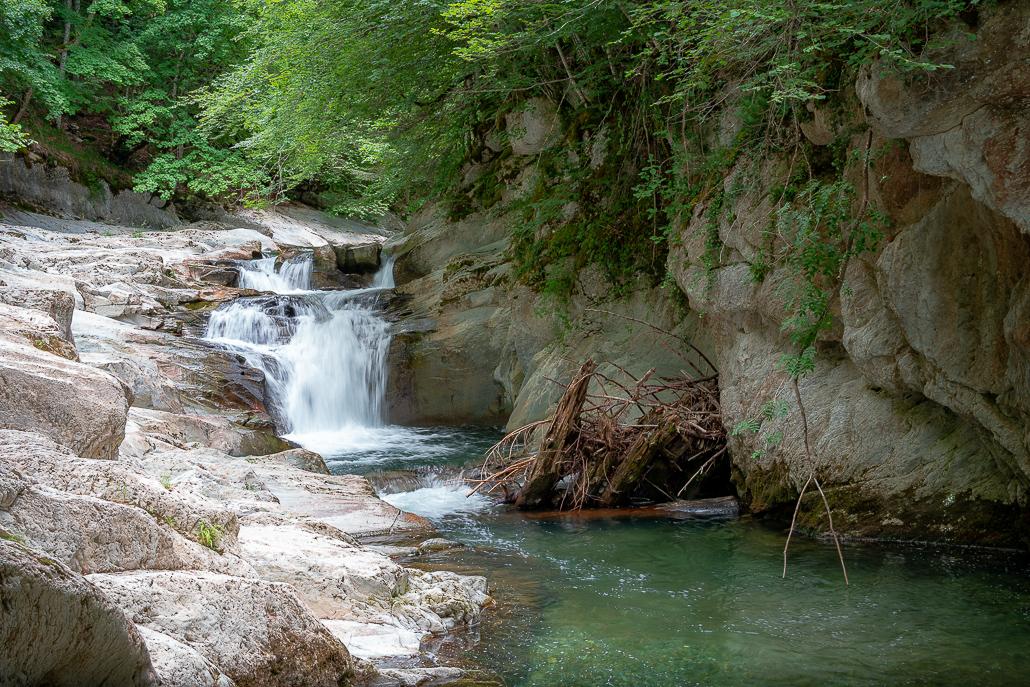
Info & tips: The reception centre Casas de Irati is one of the most frequently used entrances to the Irati Forest by tourists. There are barbecue areas and a short hike to the Cascada El Cubo waterfall. Entrance costs 6 euros, there is a large car park and maps for hiking and mountain biking.
You can book e-bikes and tours
Our route: Pikatua (Ochagavia), Abodi, Selva de Irati was 29 km long.
4. semi-desert Bardenas Reales de Navarra-Tudela
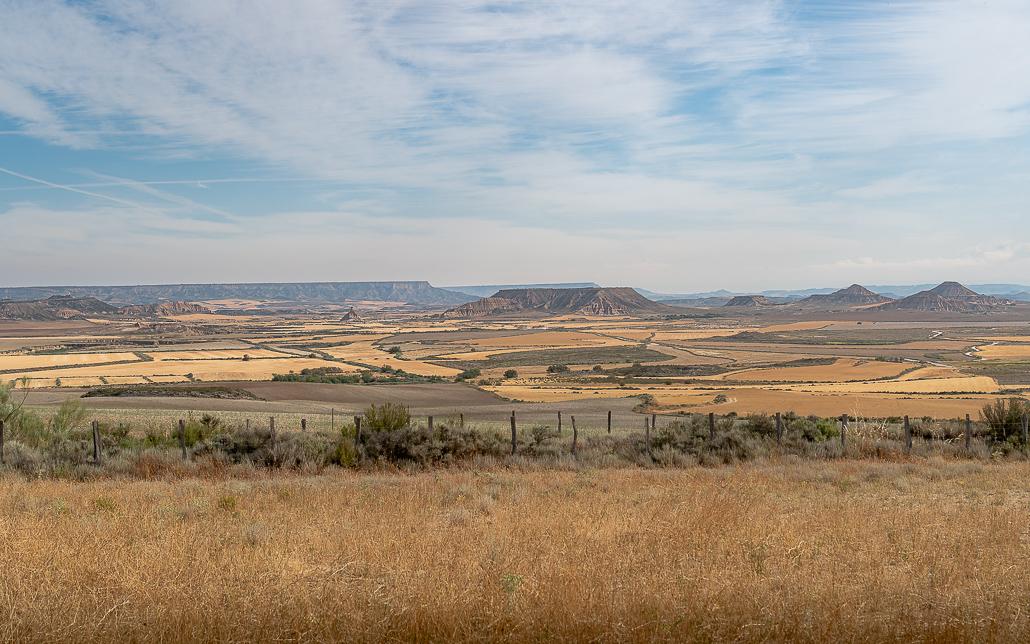
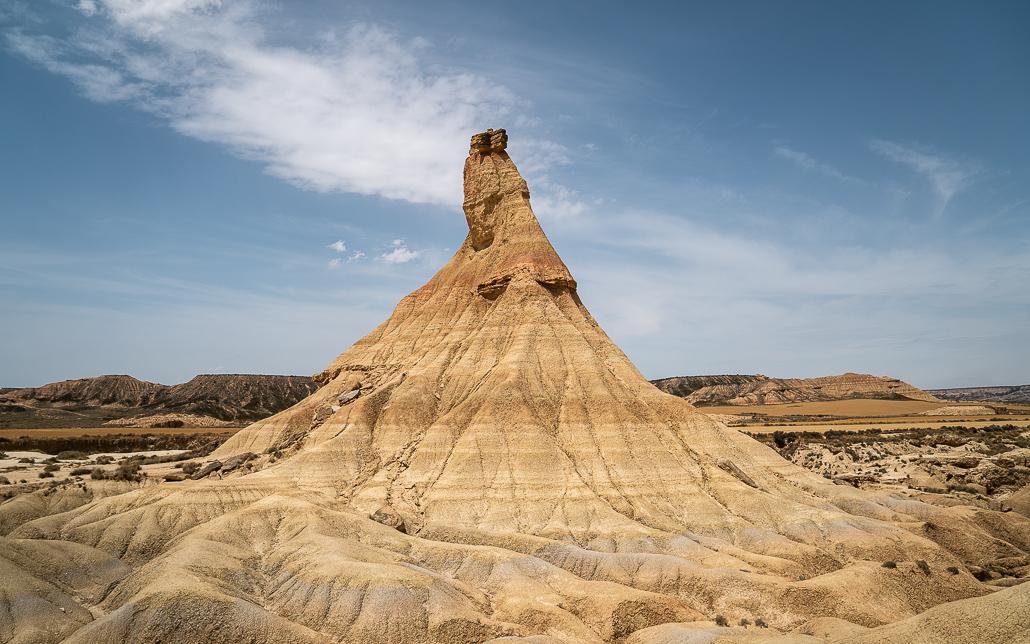
The natural semi-desert Bardenas Reales (also called Badlands) are located in the southeast of Navarre near Tudela. The soils of sandstone, chalk and clay have been eroded by water and wind over the course of time. This has created unusual shapes, canyons, mesas and isolated hills (called cabezos). The area is divided into La Blanca Baja and Plana de la Negra.
The nature park was declared a biosphere reserve by UNESCO and shows us a completely different landscape here than in the mountainous green north of Navarre. In the 42,000 hectare (equivalent to about 50,000 football stadiums) semi-desert, everything is barren, the vegetation sparse and the many river courses and streams are dry most of the year.
The moon-like landscape attracts many photographers for shoots and commercials, but also the big film industry from all over the world. Especially through the award-winning series "Game of Thrones" and as the filming location of James Bond "007 - The World is Never Enough", the place became world-famous. And when you're on location, you realise pretty quickly why many spaghetti westerns were filmed in this landscape in the 1950s (and the video "Stardust" by, er, Lena Meyer-Landrut).
Unfortunately, we did not get closer to the filming location for "Game of Thrones", as this corner of the Bardenas Reales is only accessible again in autumn. This nature park is unique in Europe.
The best way to explore this nature is on a buggy tour with Activa Experience. We took the long tour including lunch, and you should too: our female guide Stefanie is a trained cook and prepared delicious dishes from local produce, including "Pimentos Rojos Asados" - soft-smoky, braised peppers -, sour-sweet artichoke hearts and crunchy salad wedges with a tasty vinaigrette. It doesn't get any better than this. And maybe you're charming enough to get your hands on the recipes?
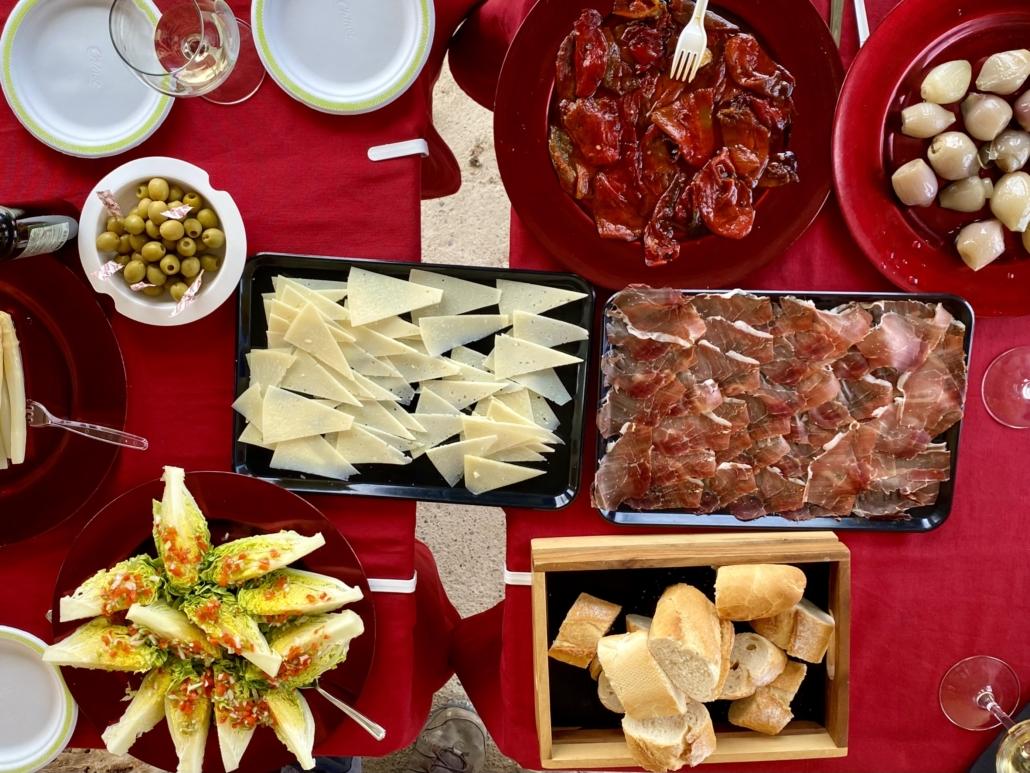
Outrageously delicious
As part of the Bardenas Reales is a restricted military area , you are not allowed to leave the marked routes. You could also drive your own car through the nature park, there's no entrance fee. However, we had a lot of fun with the buggies and were able to learn a lot about the formation, fauna and nature at several stops.
Especially worthwhile stops:
Mirador del Obispo
Castil de tierra (main attraction)
Punta de las Negras (highest point)
Viewpoint at the entrance to the park
Visit info:
Nature Park opening hours: 8am to one hour before sunset (December and January until 5.30pm).
Information centre opening hours: 1.9. to 7.4. from 9 am to 2 pm and 3 pm to 5 pm; 8.4. to 31.8. from 9 am to 2 pm and 4 pm to 7 pm
Entrance fee: Free of charge
Distance from Pamplona: approx. 1.5 hours

5. local customs in the Ecolodge Mari Cruz en Villanueva de Arce
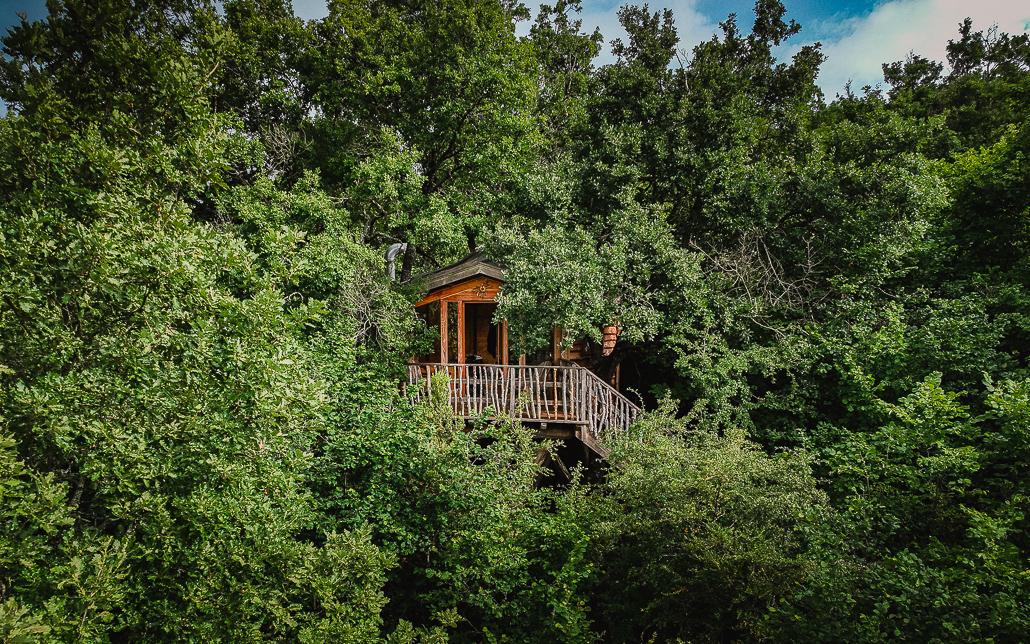
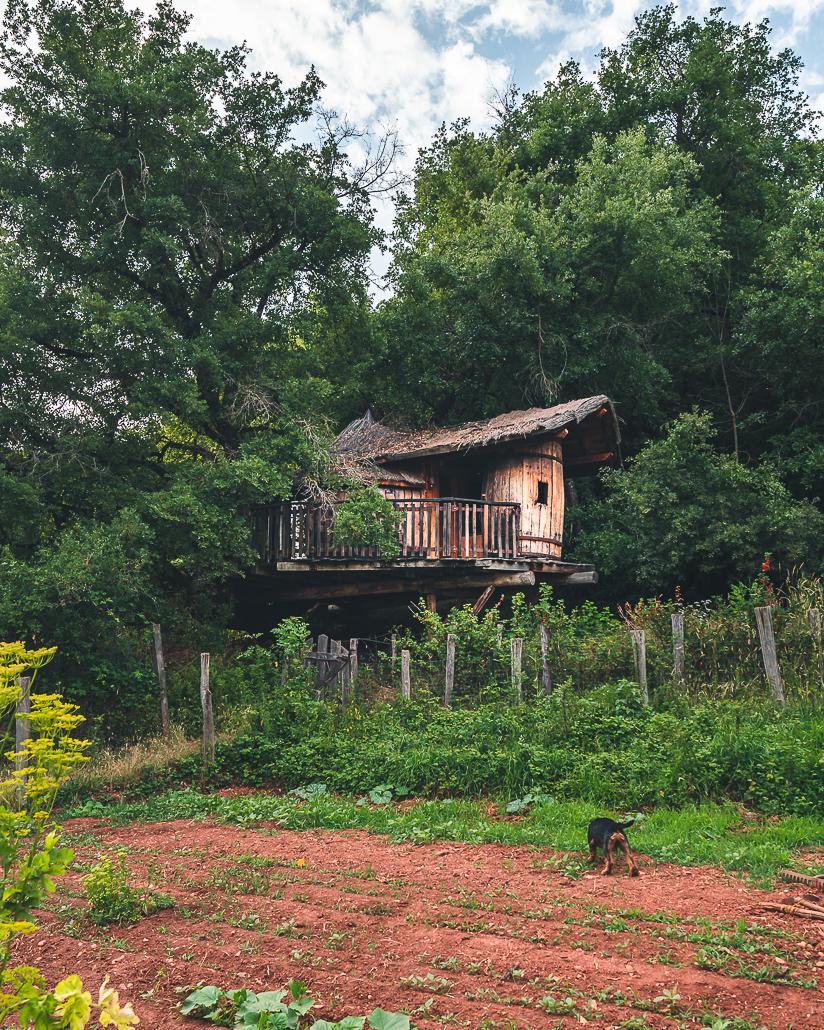
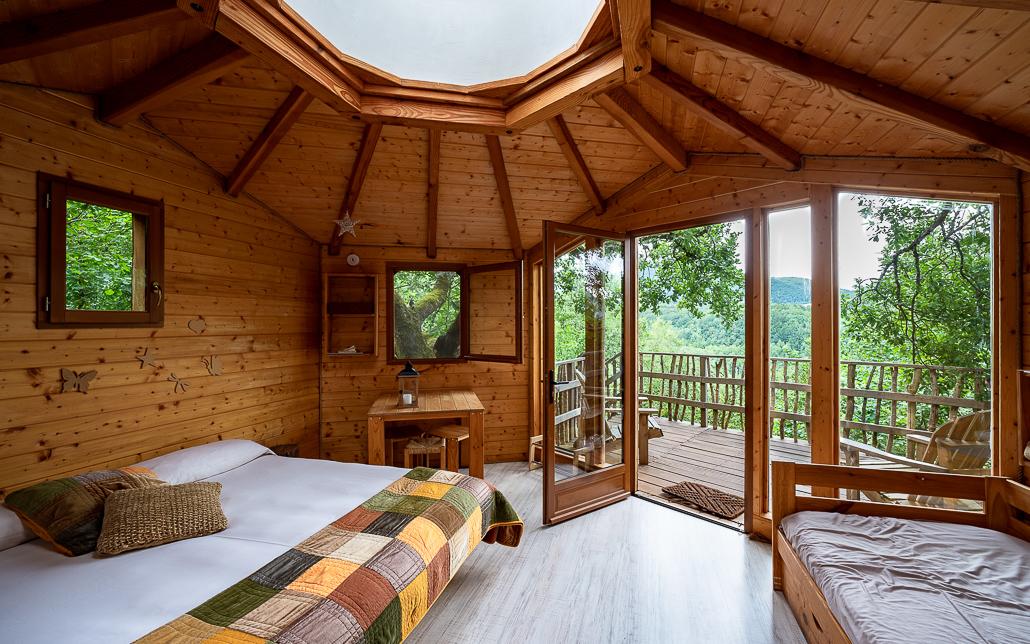
Ecotourism in a small town called Arce in the Pyrenees of Navarre. In the tree house with the goblins we could spend a night in the idyll of Alicia and Luismi.
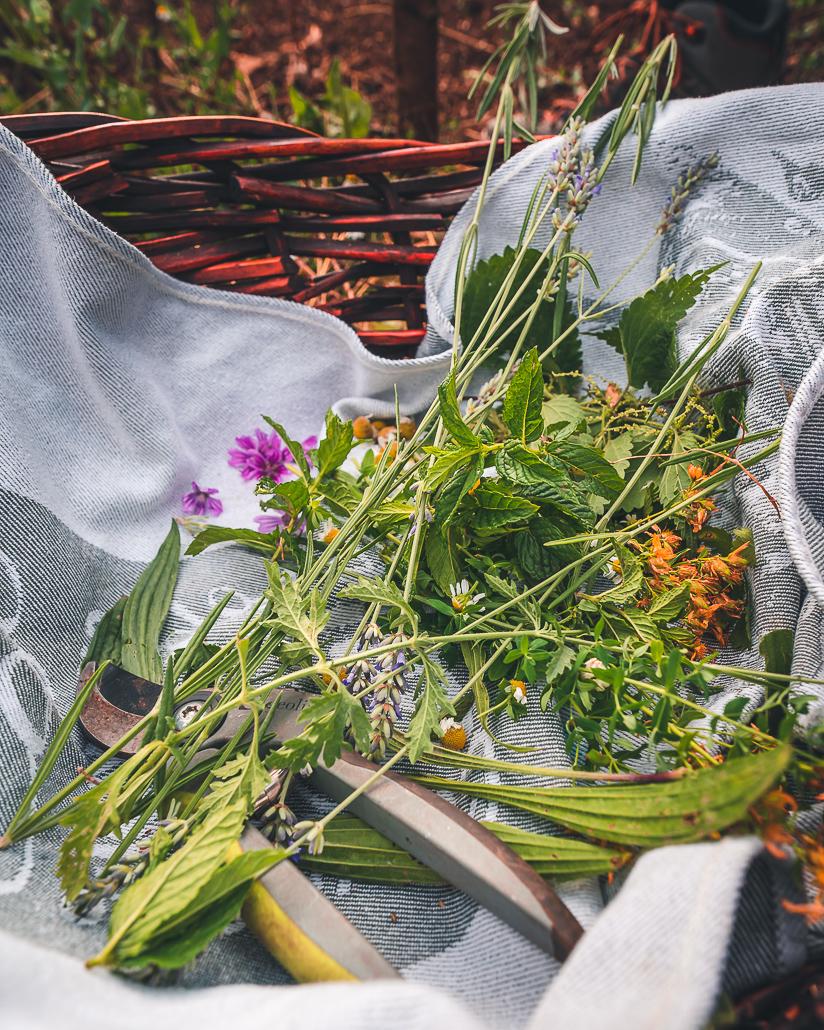
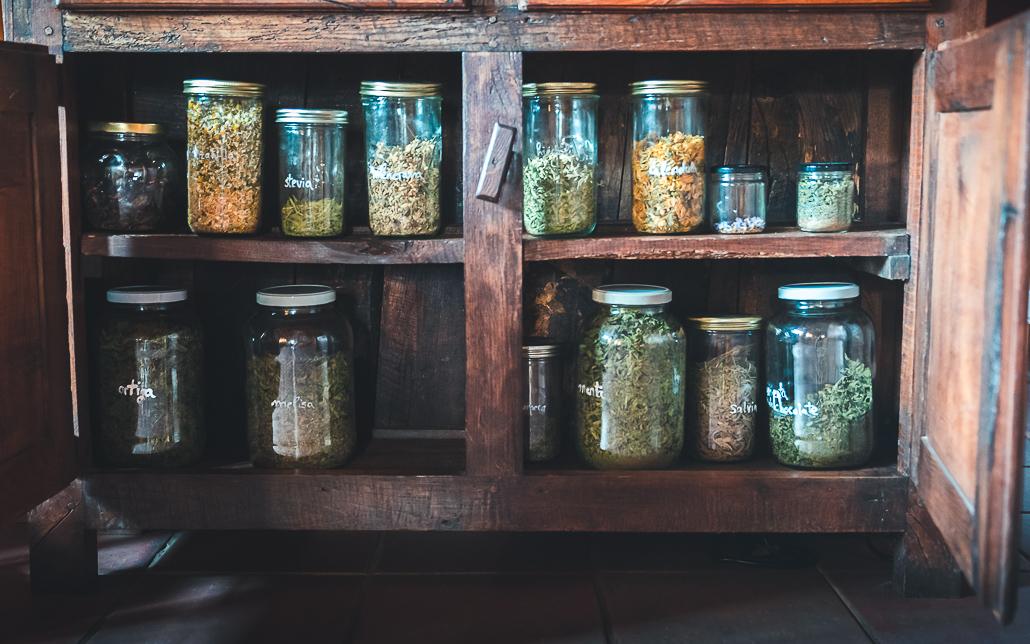
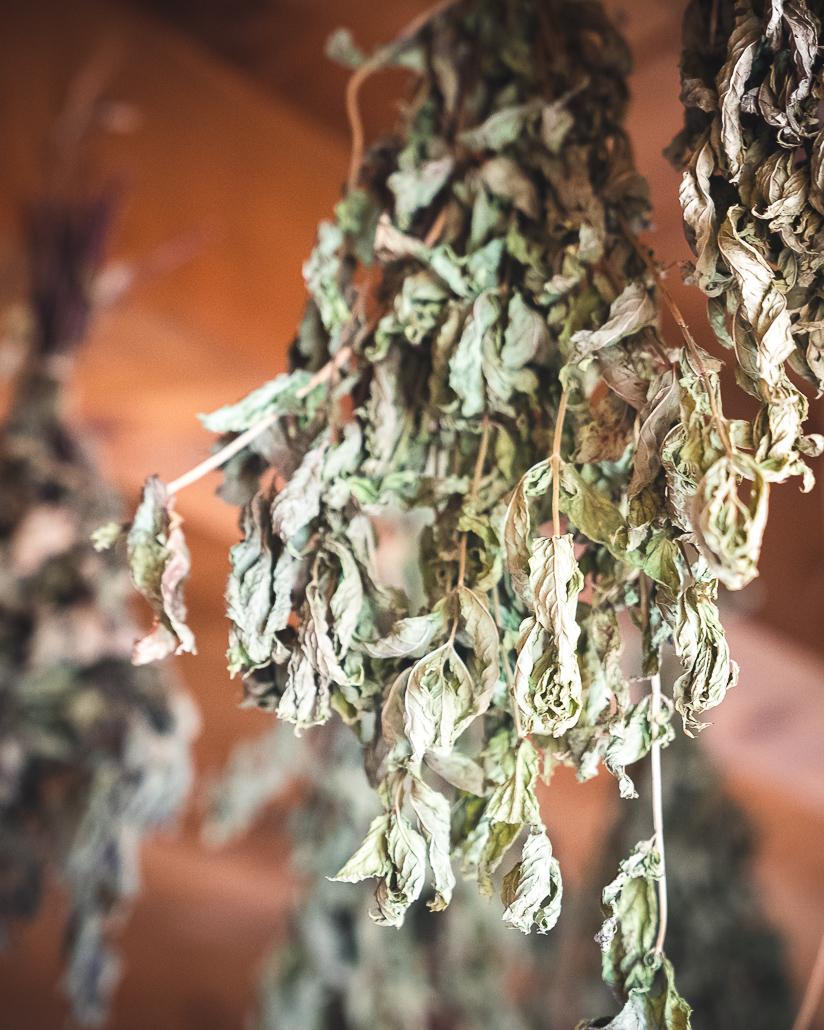
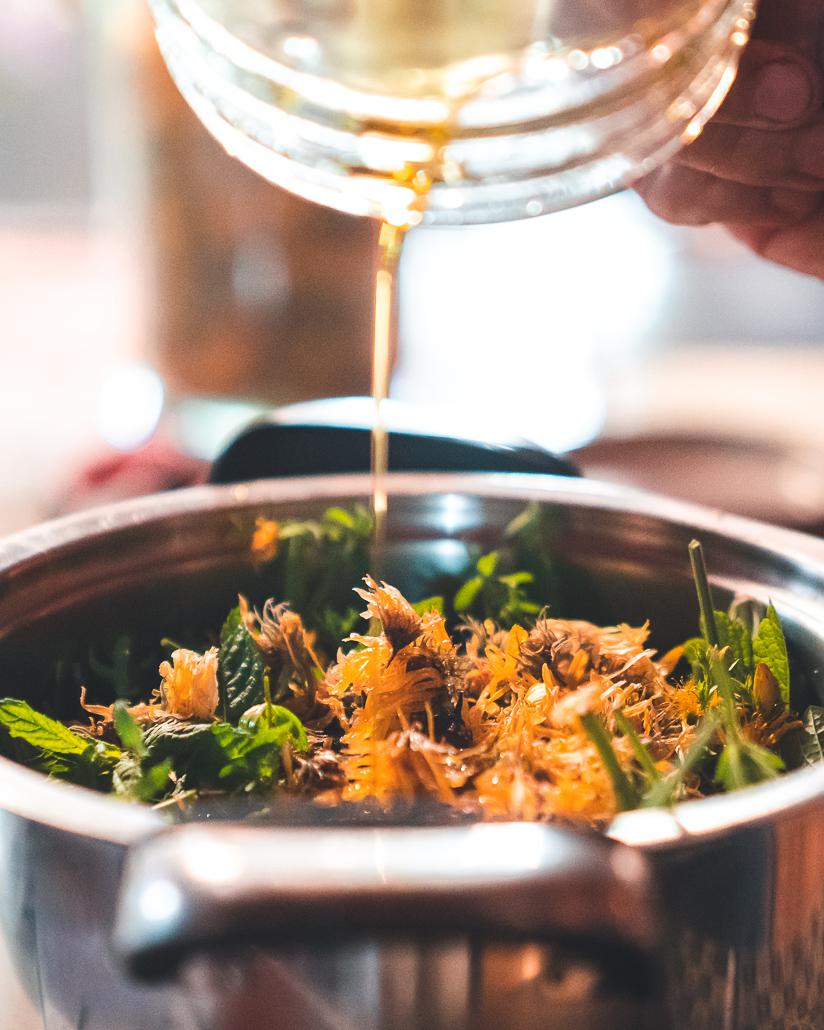
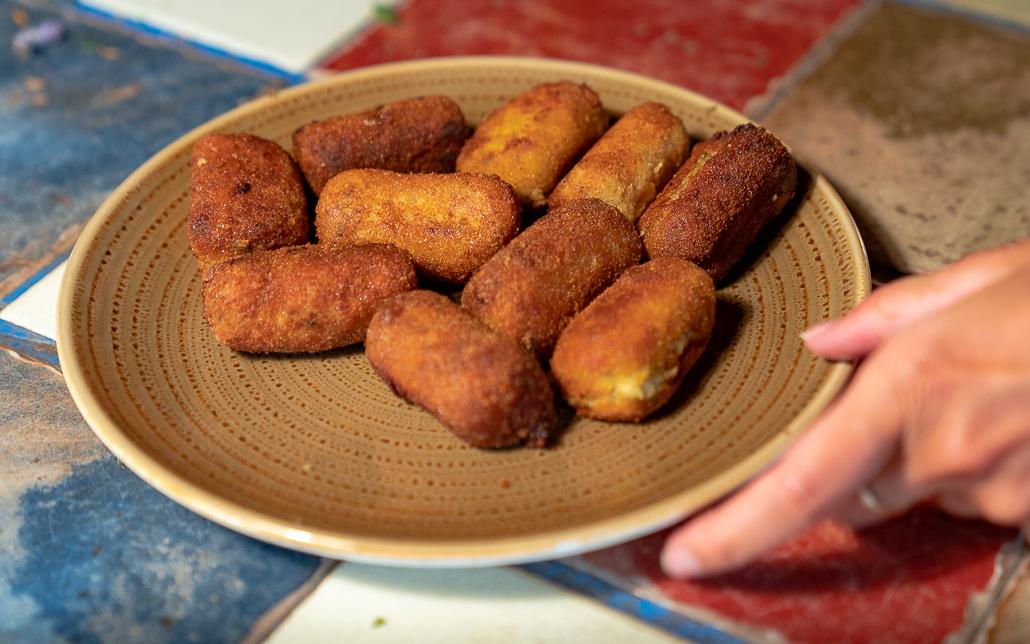
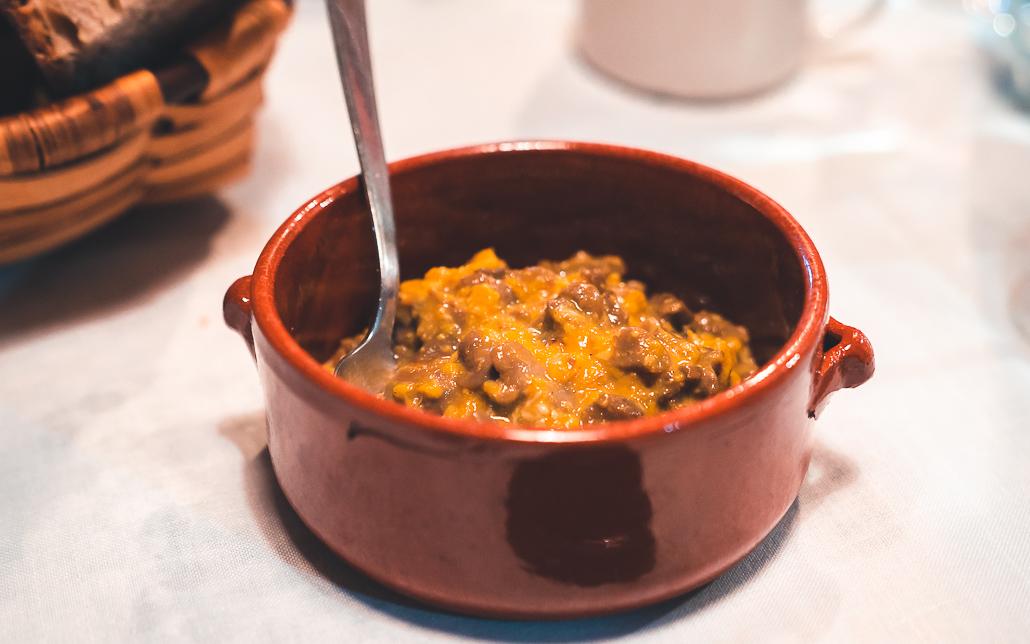
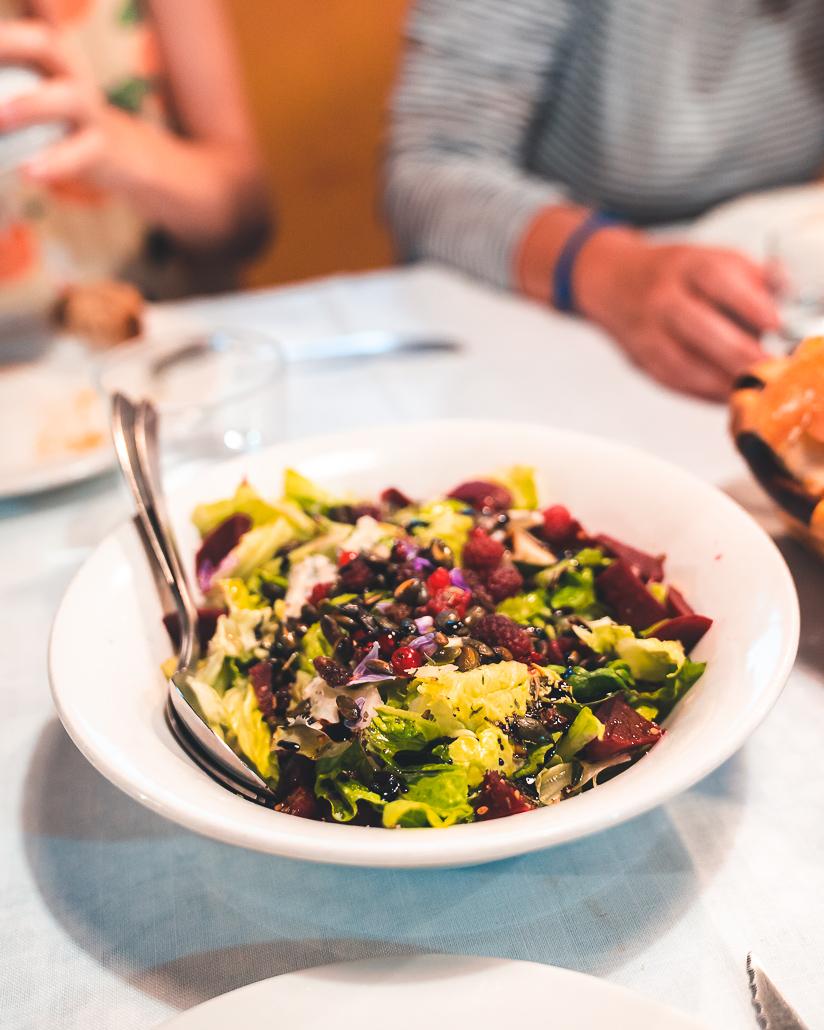
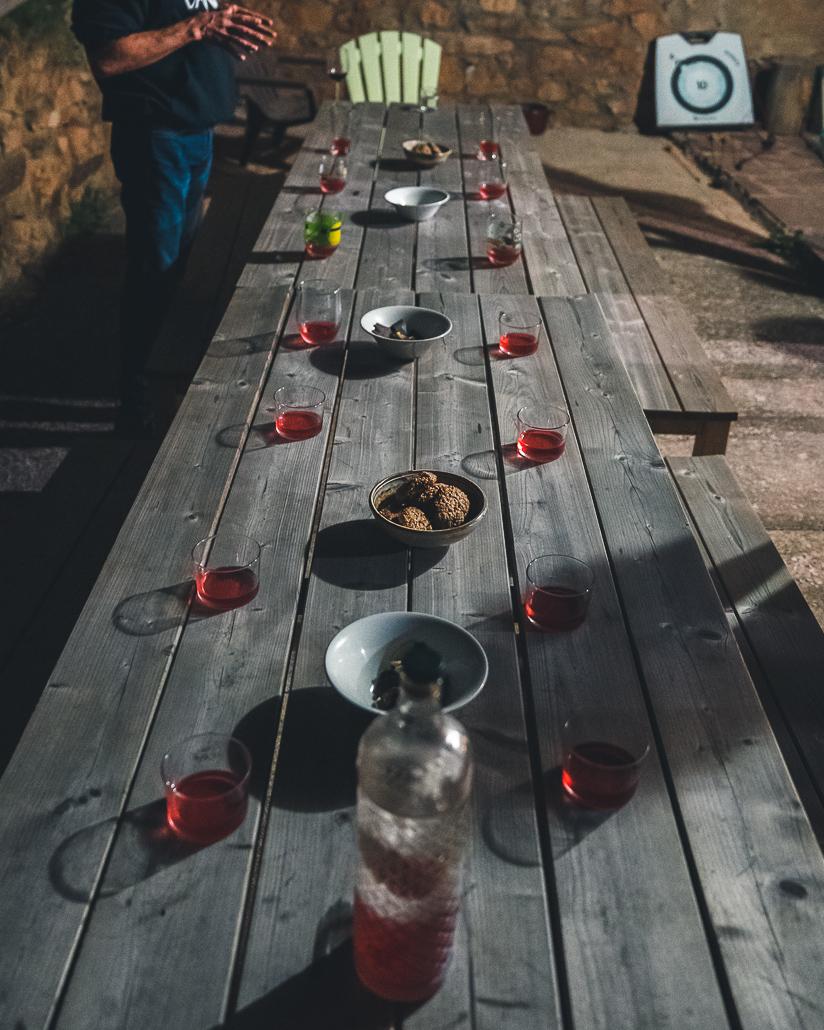
For the solstice celebration, we picked herbs together with neighbours and friends and boiled them to make creams and ointments the next day. We tied bouquets to drive away the evil spirits and learned all about old traditions and customs for the Solstice celebration while having dinner together from home-grown products. At the table with many family friends we immediately felt warmly welcomed - a great experience that went on late into the night.
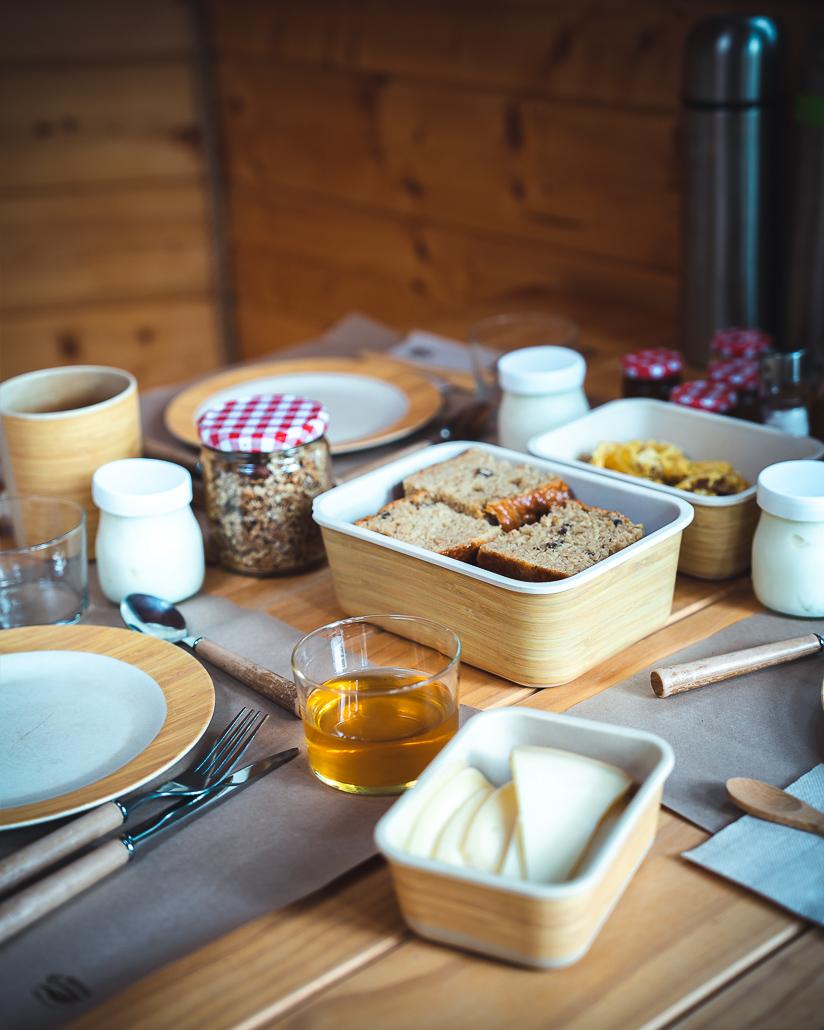
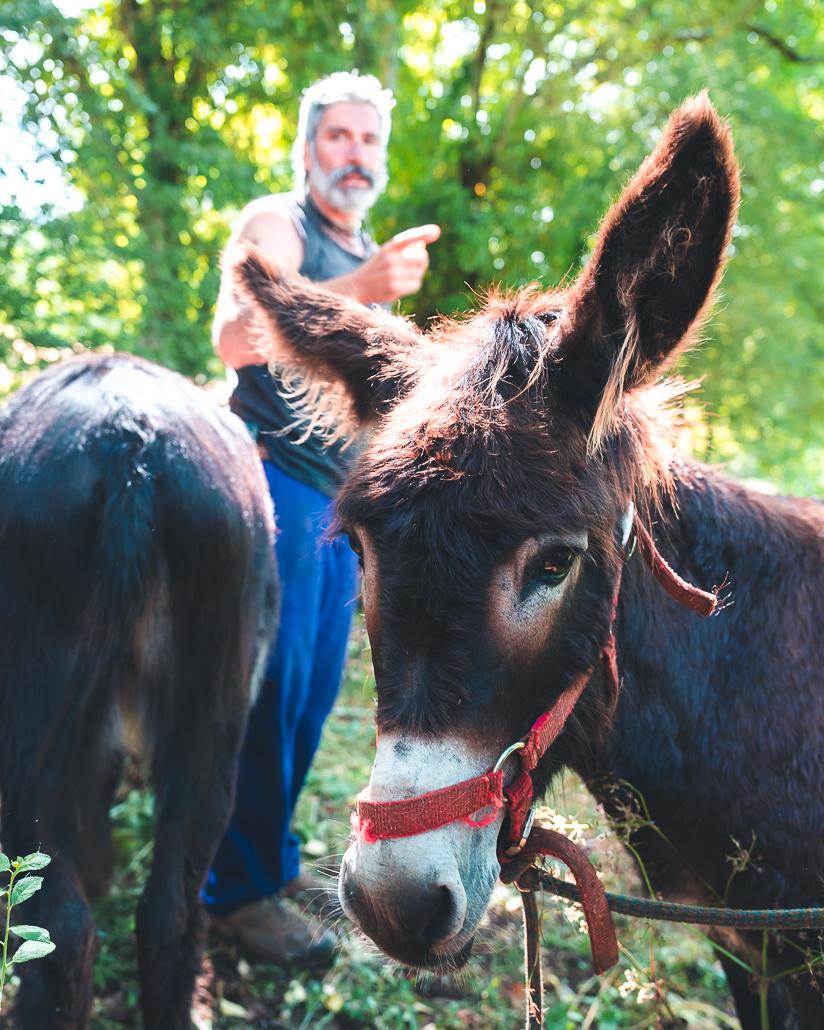
After a hearty breakfast in the tree house, we went to our own donkeys and walked with them to the next pasture and to the water - total relaxation, far away from the hustle and bustle of the city. We enjoyed this stay very much and can recommend you to spend at least one night with these great people. It was a wonderful stay.
6. discover the local gastronomy: Pinchos tour in Pamplona
"Pinchos", in Basque "pintxos", are small bites typical of the region, usually a slice of baguette with cheese or sausage, plus an olive, anchovy or pepper - that's it. You might immediately think of "tapas", but that would be doing these delicate, much more elaborate happiness makers an injustice, because: Here in Pamplona they take them very, very seriously. Creative and lavishly topped, colourful, even smoking now and then - they go all out to do well in the town's annual pincho championships. So it would be criminal not to meet up with Bea from Pamplona Food for an extensive pinchos tour.
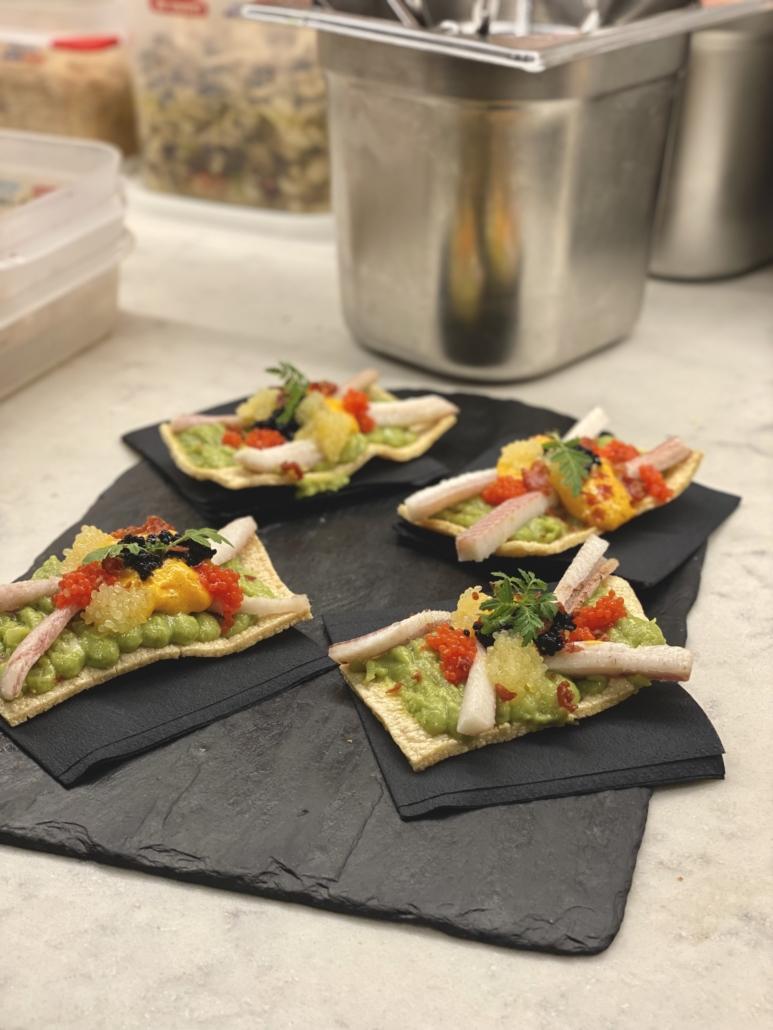
Real professionals at work

Walking around the centre, we hopped from bar to bar to sample the best creations. With a tasting and accompanying matching wine, the evening passed in a flash. Not only did we get to visit the best bars, but we also learned a lot about Pamplona's history (and of course the infamous San Fermin bull race in July). On the tour you visit three bars and are served two pinchos with a drink everywhere. In Pamplona, by the way, this "pincho-hopping" tradition is called "chiquiteo", eating at the bar of bite-sized pinchos, with a little wine.
We were more than full and really enjoyed the tour and conversation with Bea. A successful end to Pamplona.
Info about the tour:
Duration: About 3 to 4.5 hours (depending on how full the bars are)
Cost: On request depending on the number of people
7. borda aztal gazta: Visit to the shepherd including the alpine cattle drive
Koldo Vicente Eseberri is a young shepherd and farmer who produces cheese and milk from the Latxa sheep in this small, well-kept and modernised organic farm.
The "Latxa" are a breed of domestic sheep that are native mainly here in the Spanish Basque Country. After the milking process - which we were allowed to do ourselves, but which is otherwise done by more efficient milking machines - their non-pasteurised milk is used to make Idiazábal and Roncal cheese ("Gazta" means "cheese" in Basque).
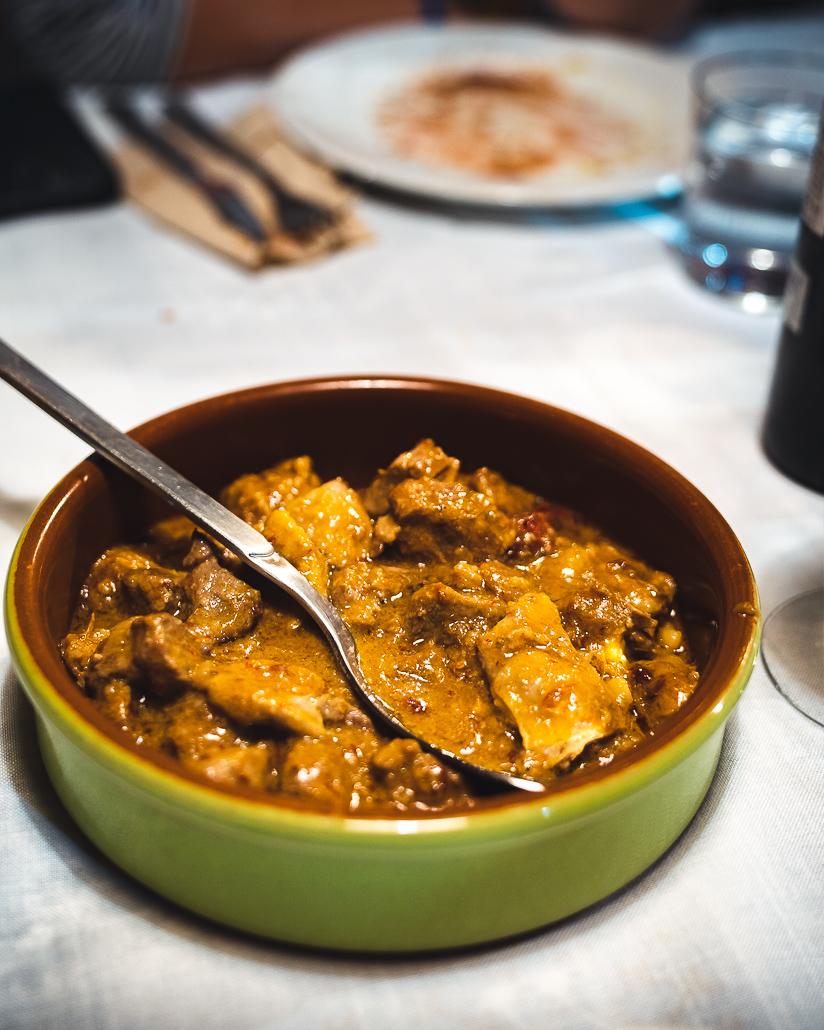
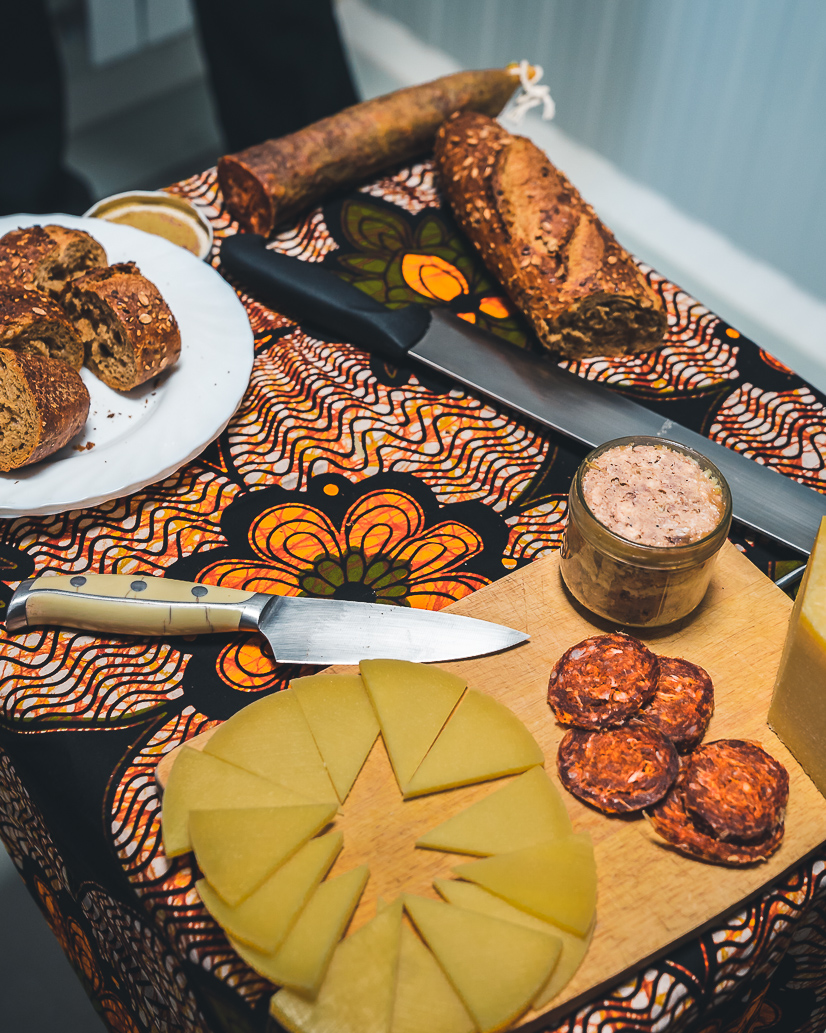
We were given a tour of the in-house cheese dairy and were of course allowed to taste it extensively; creamy, tangy - and ultra fresh! Koldo's brother also runs a pig fattening business and produces the chorizos and liver patés that go with the cheese; both want to offer their products together soon.
In addition to the sheep, all kinds of vegetables are grown here - Koldo and his partner are absolutely self-sufficient. This is not uncommon in this area, which is extremely diverse in nature, and we recommend that you pay them a visit and let yourself be impressed by this life far away from offices and street noise - ideally armed with some knowledge of Spanish.
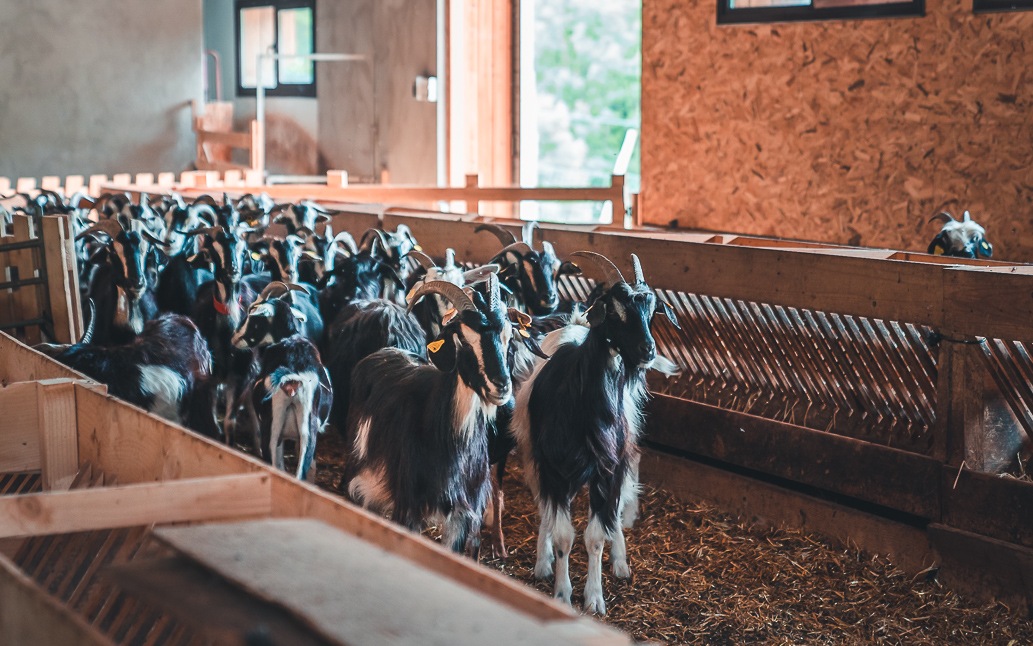
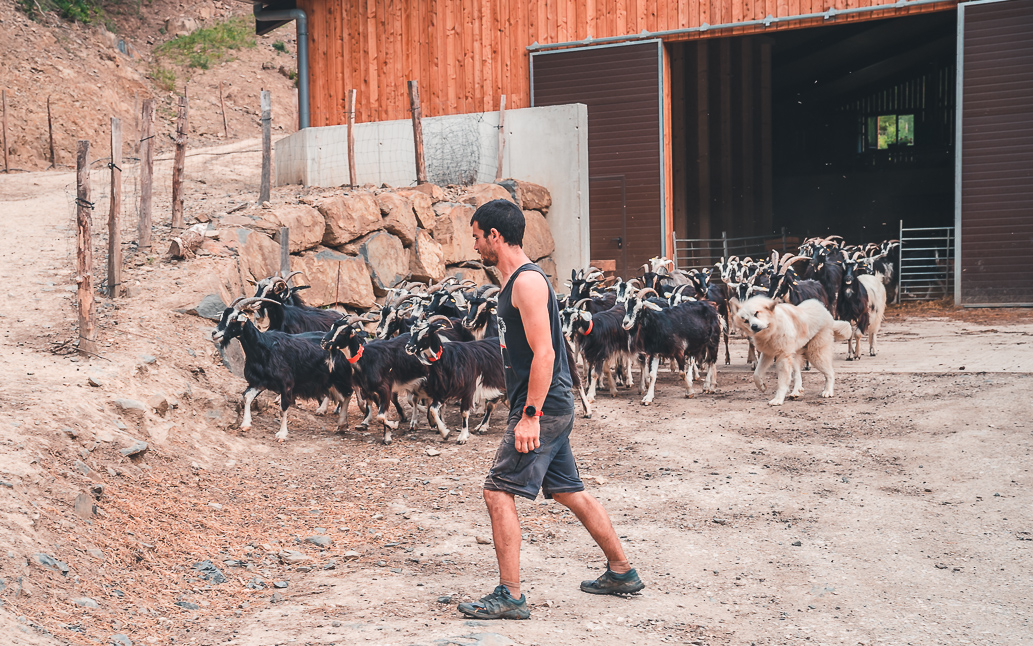
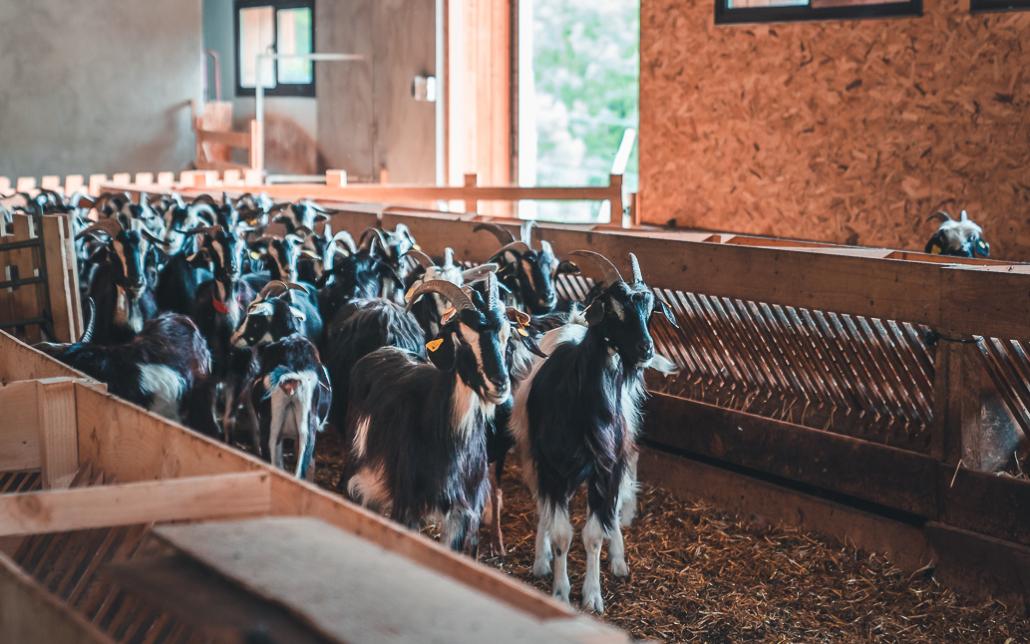 The animals are already waiting impatiently to be allowed out.
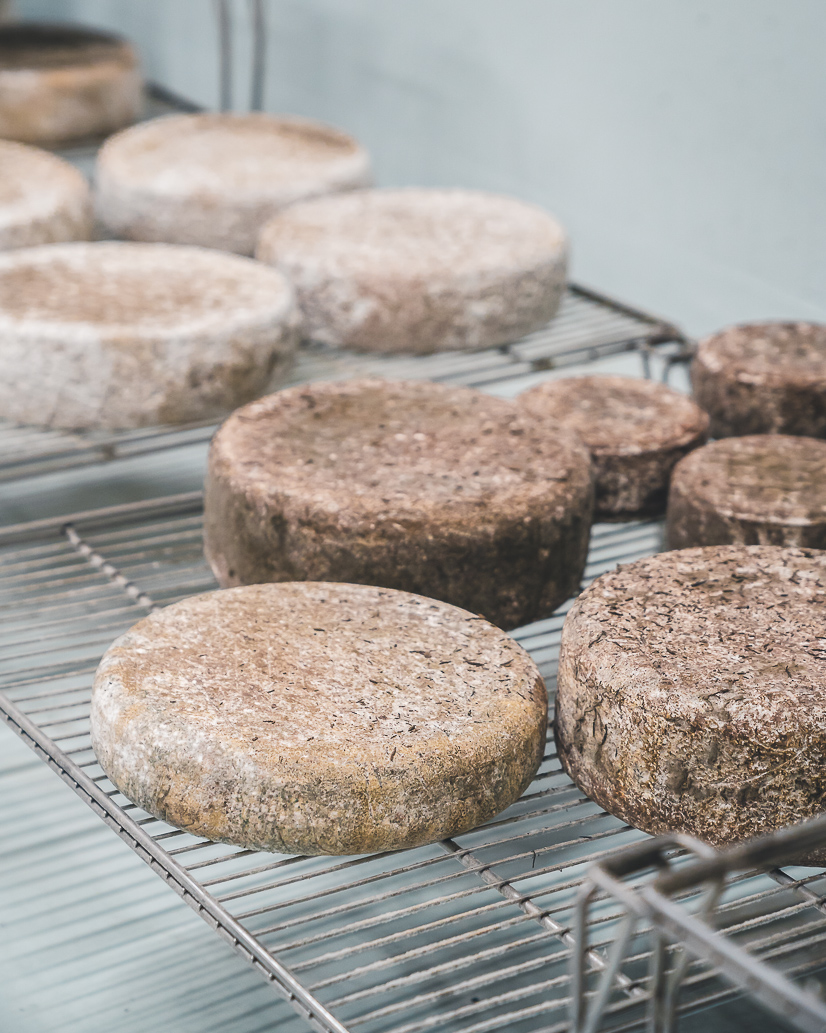
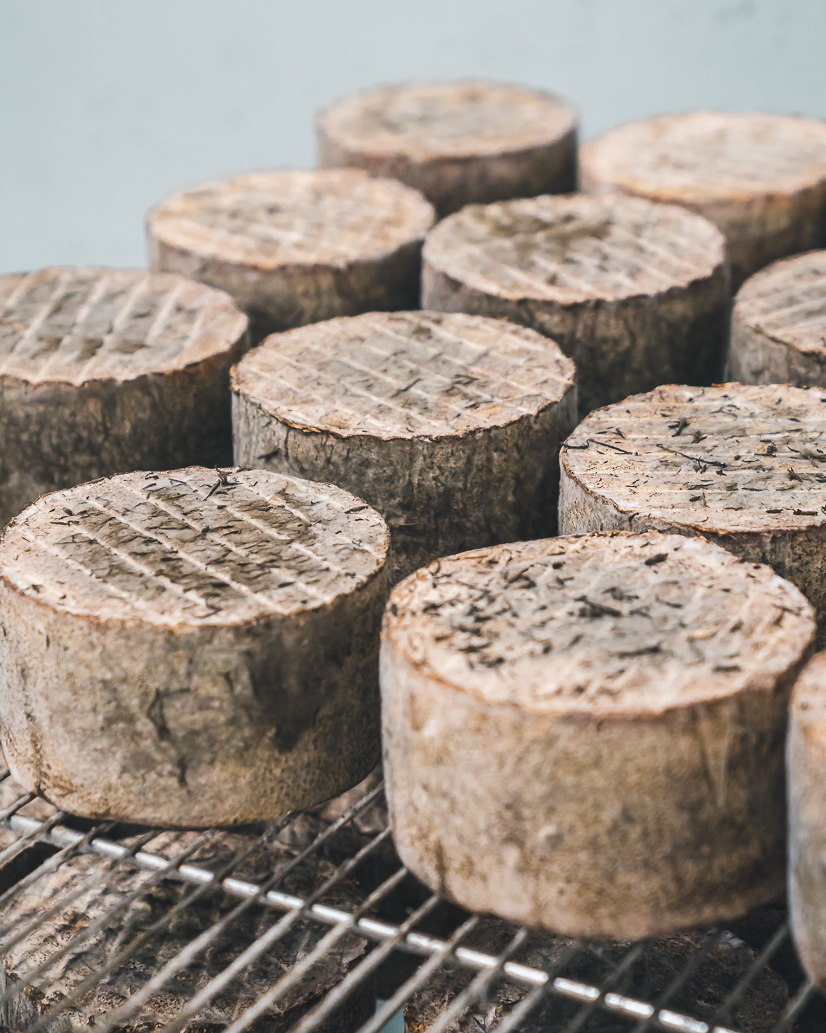
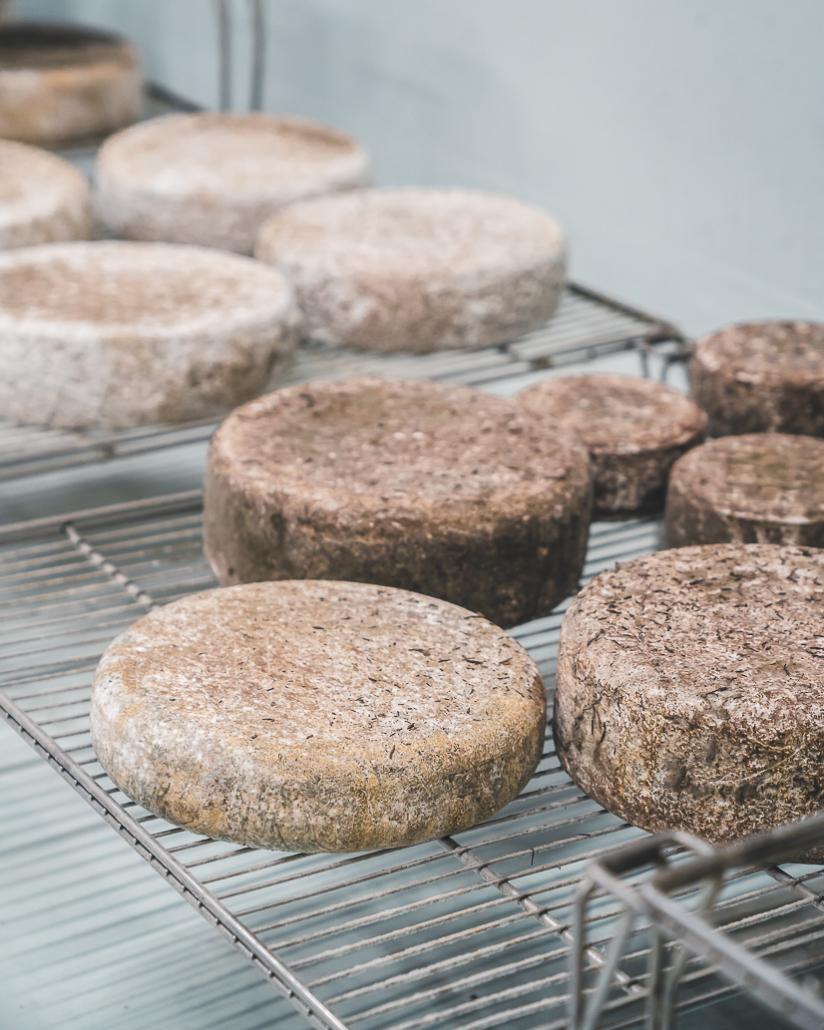 Idiazábal and Roncal cheese in Koldo's cold storage room
Alpine pasture with Koldo and his Latxa sheep
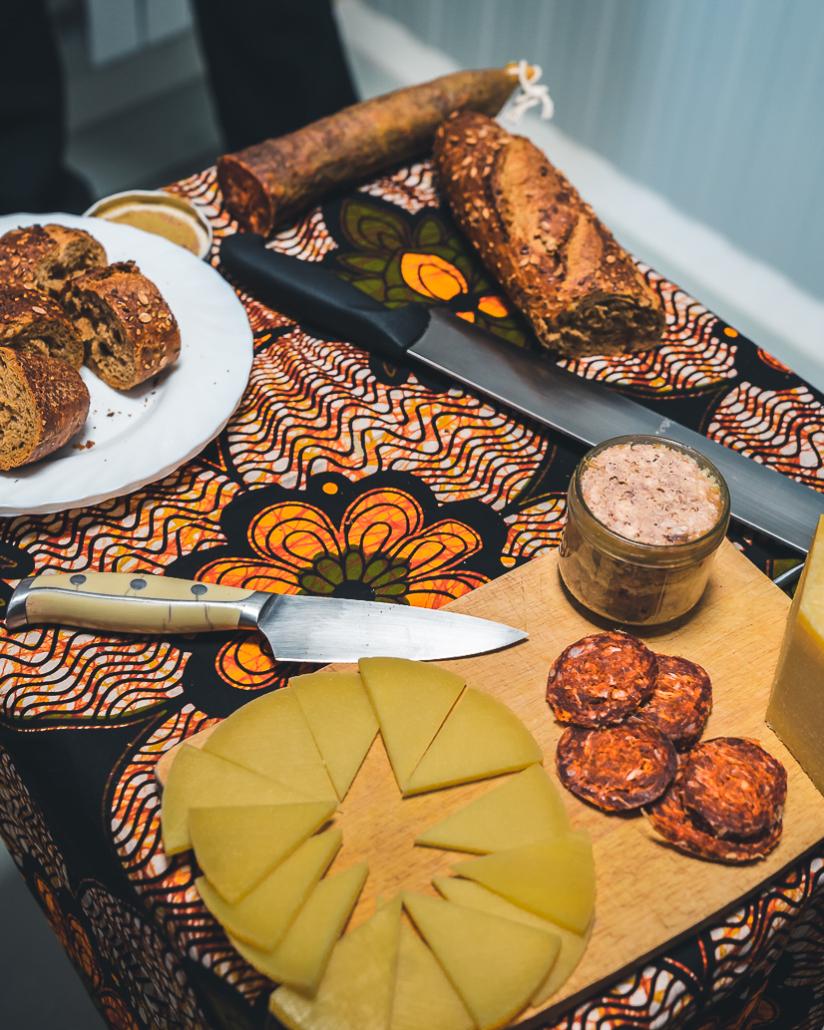
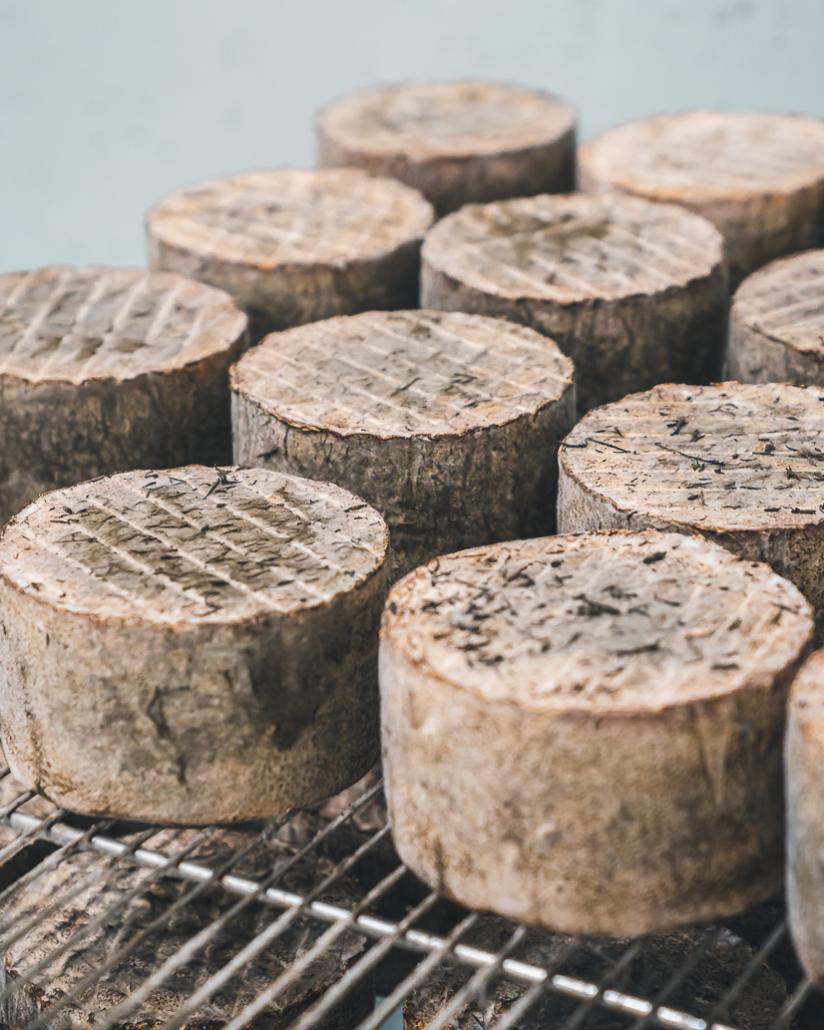 The cheese is stored before it is sold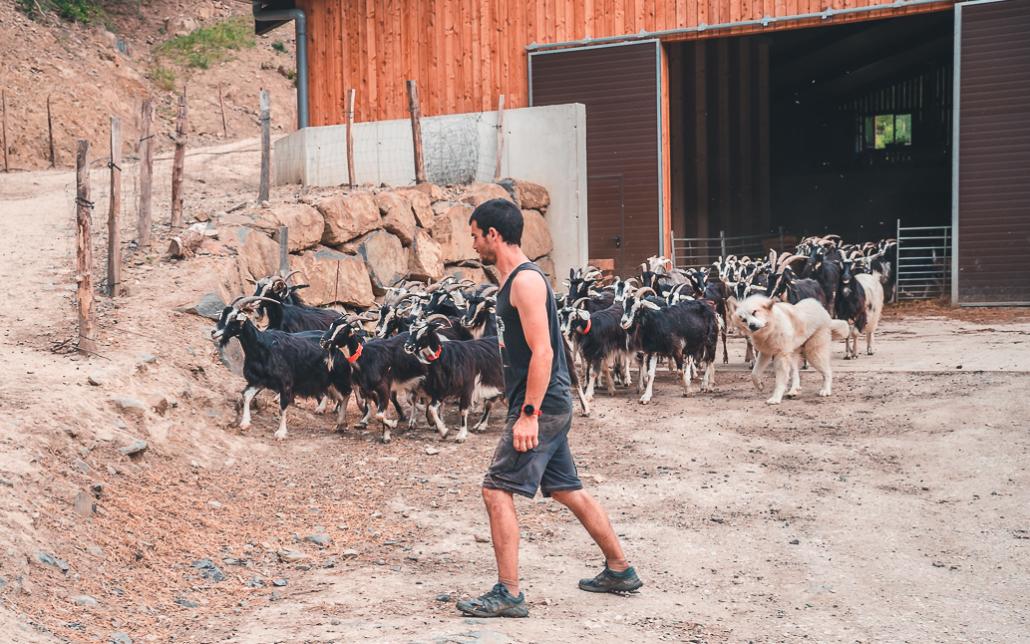
Chris is allowed to try his hand at milking, he seems to like it.
These places are also worth seeing
... but we didn't have time for them. Next time then.
Visit a winery (Bodega)
In Navarre, it is definitely worth visiting a winery. We were spoilt for choice: star cuisine or bodega. Since we managed to get a place at El Molino, we didn't have time to visit any of Navarre's five wine-growing regions (Baja Montaña, Valdizarbe, Tierra Estella, Ribera Alta and Ribera Baja). The wines produced in Navarre are among the best wines of the Iberian Peninsula and we were allowed to taste at least a few during our trip - definitely try them!
Food & Drink
Star cuisine at its best: El Molino de Urdaniz
It doesn't always have to be San Sebastian: In addition to the local Pincho delicacies mentioned above, gourmets also get their money's worth in Navarre. Nature is extremely diverse here - right next to the Pyrenees, the forests and not far from the sea - so that some top kitchens have dedicated themselves to regionality. As top dog, David Yárnoz has been cooking at the top of the ratings for 18 years at the two Michelin-starred "El Molino de Urdaniz", about 30 minutes by car from Pamplona.
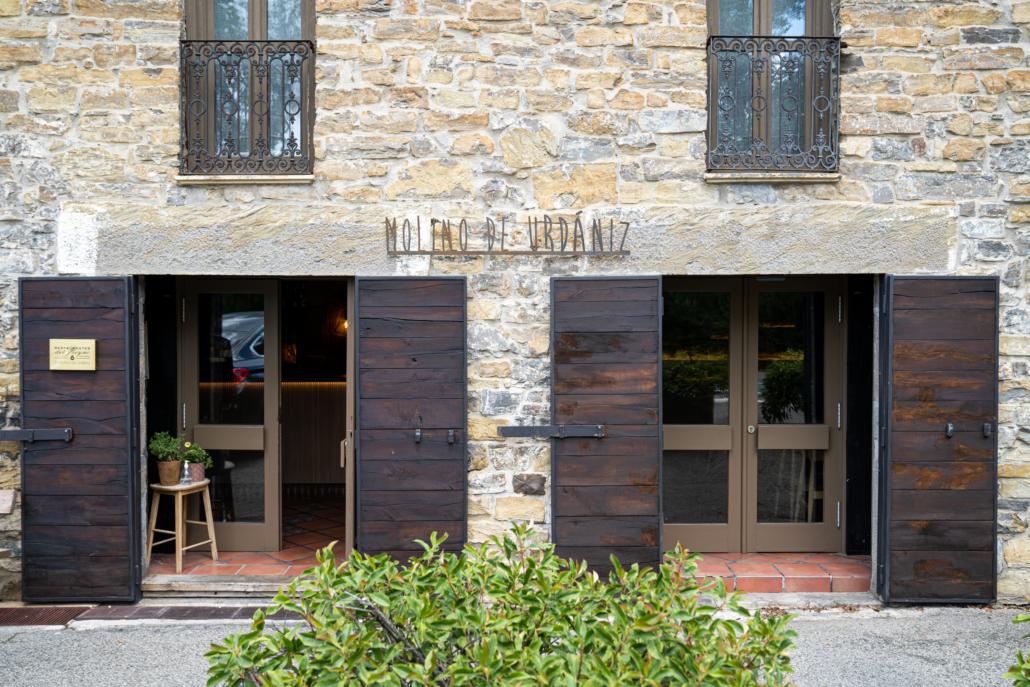
David Yárnoz, the head chef
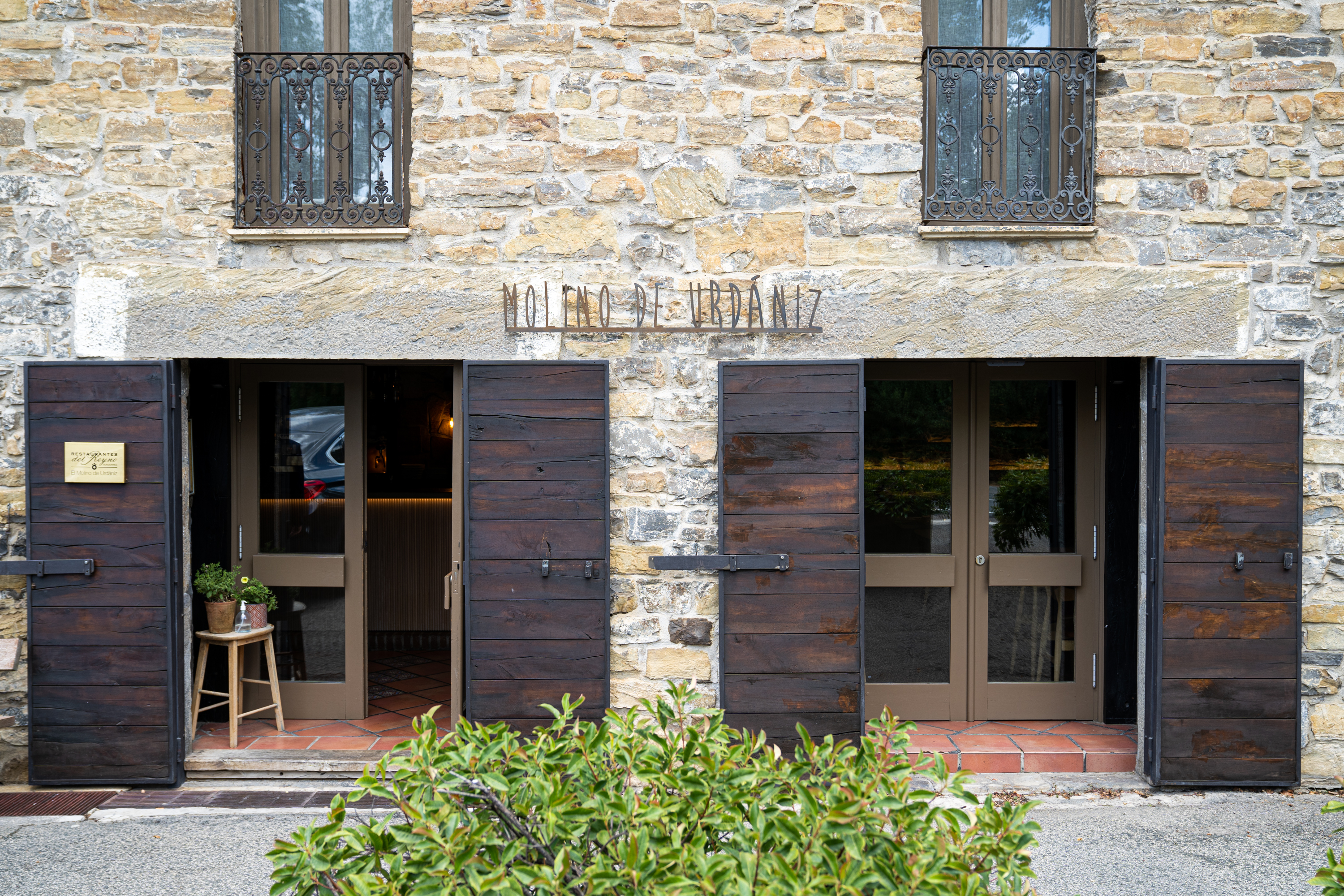
The airy restaurant in the rustic farmhouse with a wonderful view of the open kitchen opens its doors for lunch, where we were able to eat an eight-course journey through the restaurant's "best-of". It's worth it!
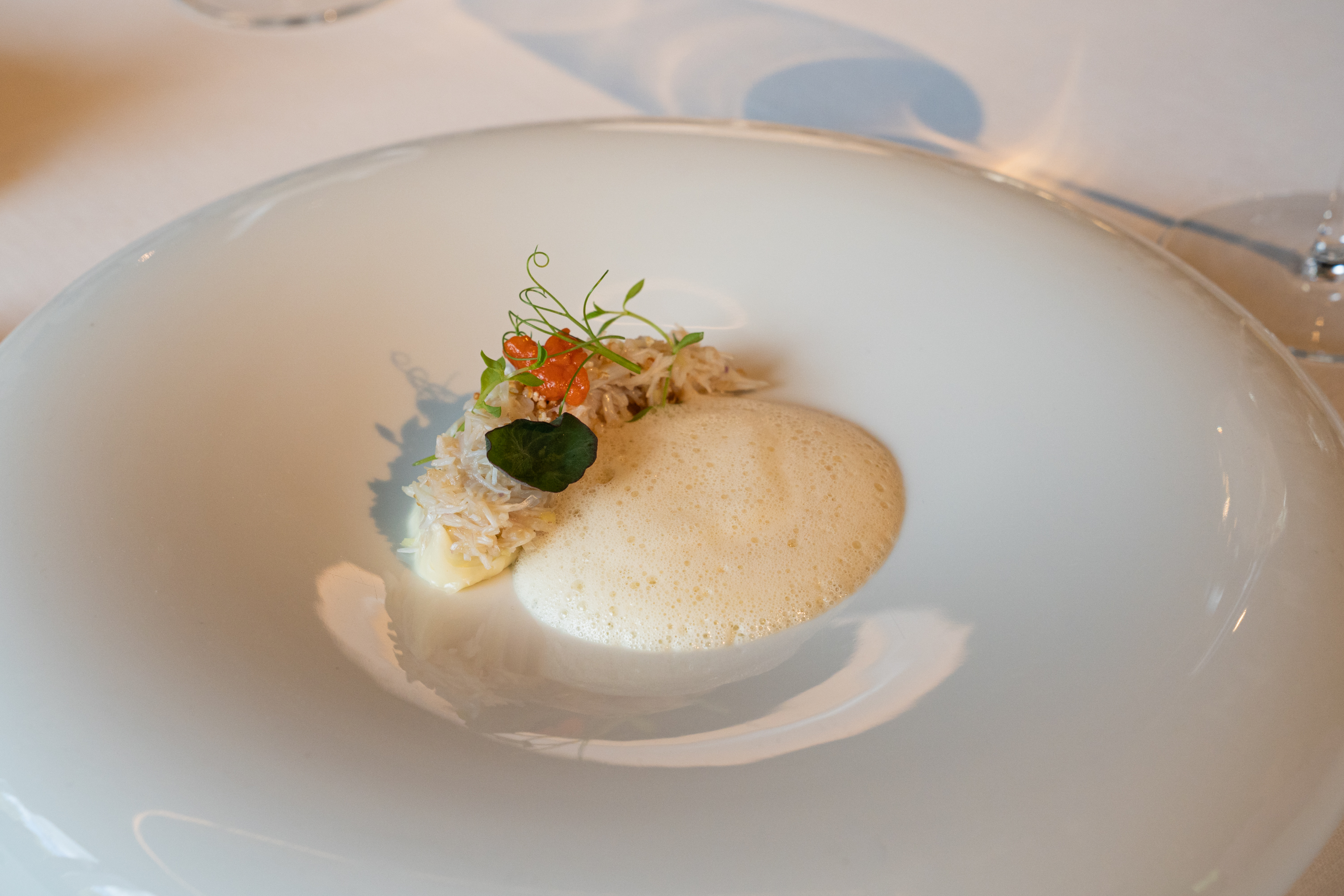
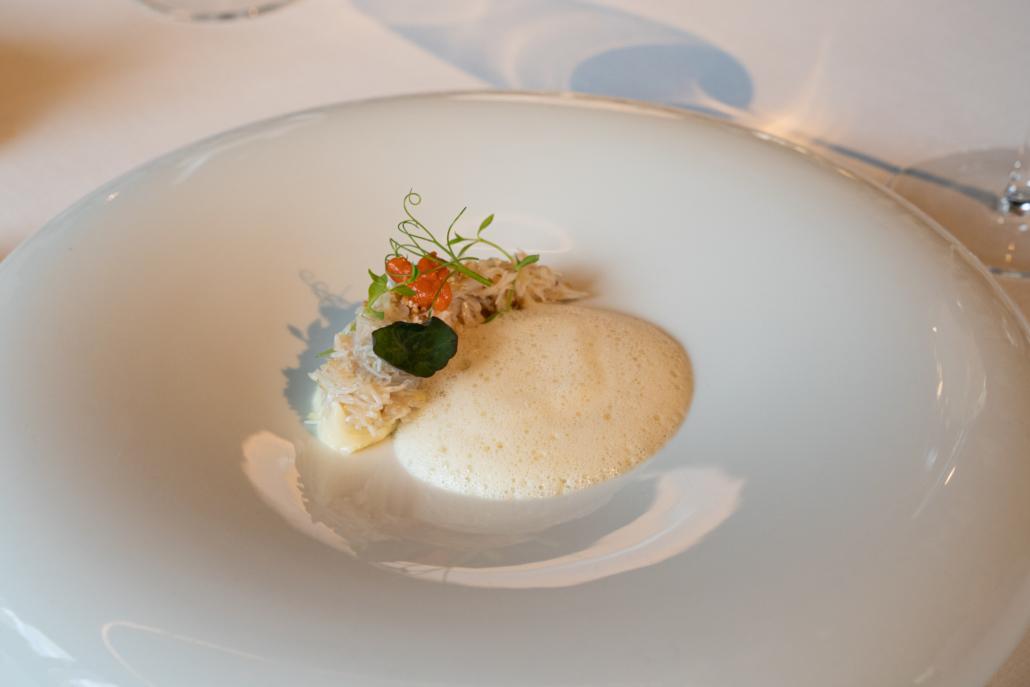 Plucked spider crab
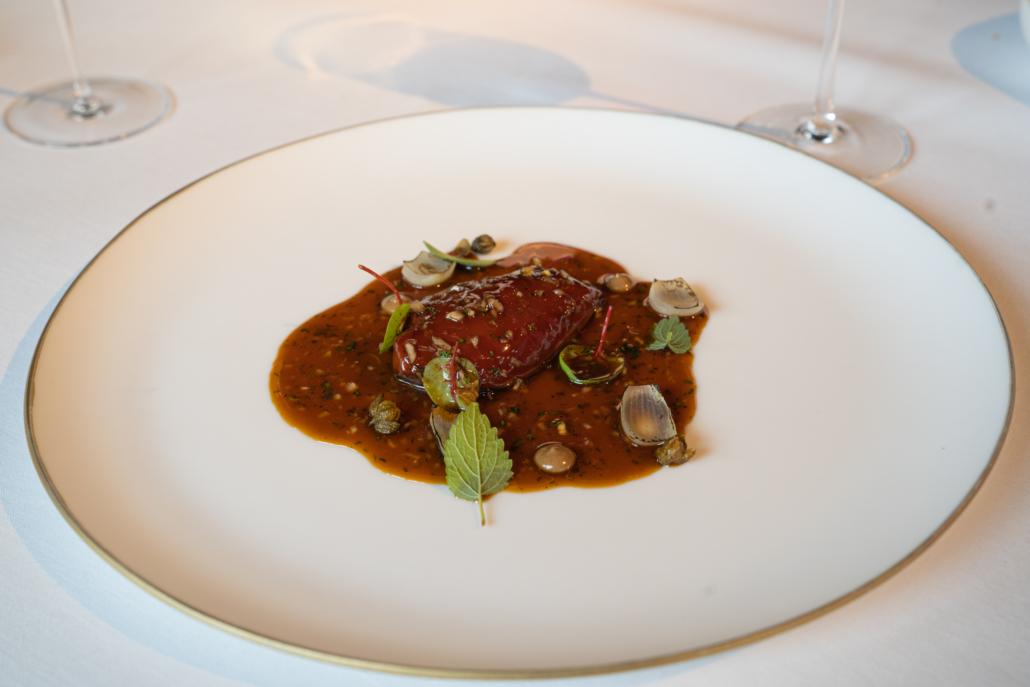 Pigeon
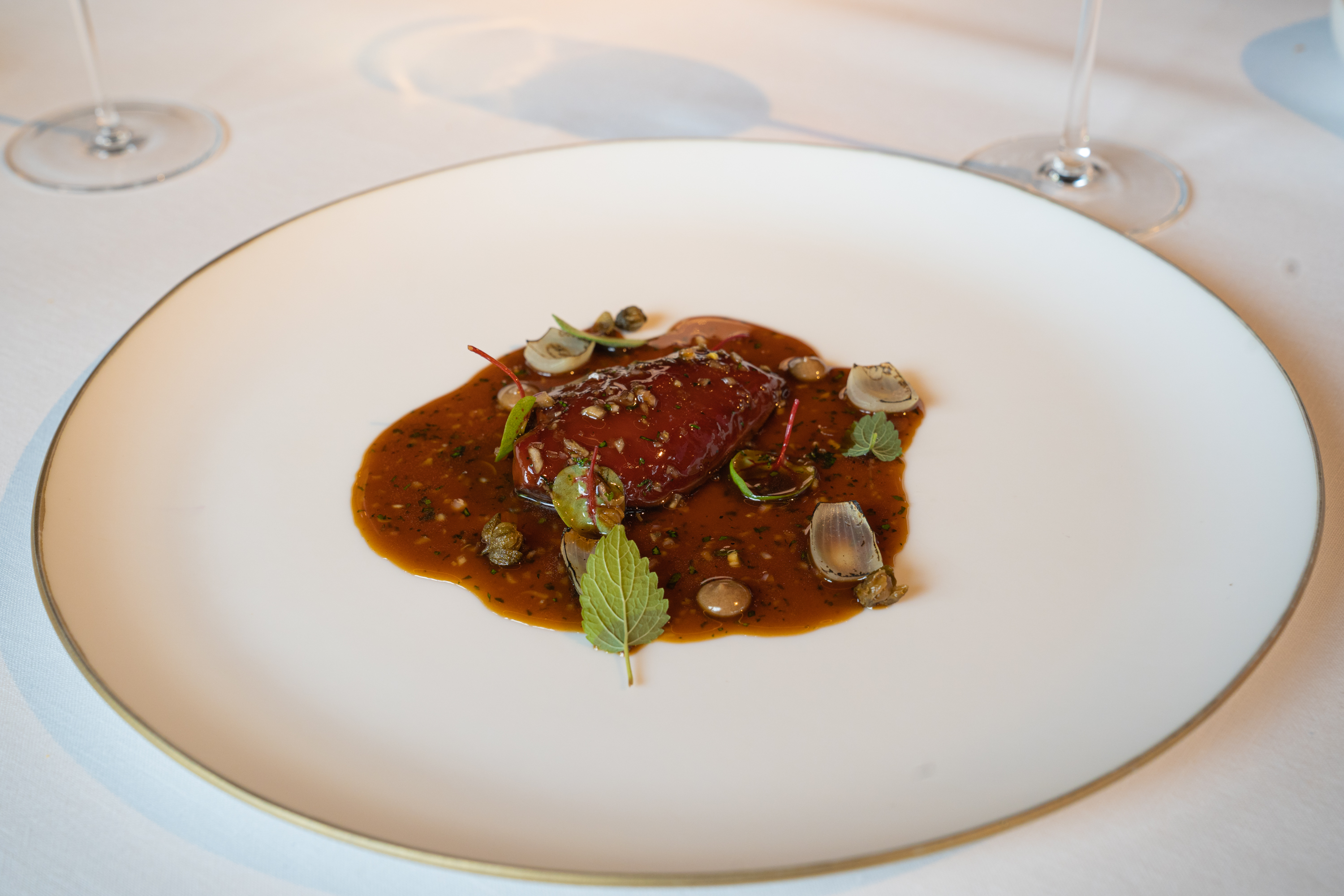
Where: El molino de Urdániz, Crta, Nacional 135, km.16, 5, 31698 Urdániz, Navarra, Spain
When: Tue-Sun 13:00 - 17:00, Fri & Sat additional 20:00 - 00:00, closed Mondays.
How much?: The "Evolution" menu costs 143 euros per person - a bargain for what's on offer!
Alhambra, upscale cuisine in Pamplona
Somewhat more affordable is the "Alhambra", also recommended by Michelin, directly in Pamplona. Here, traditional dishes of the region are trimmed to "fine dining", and it works brilliantly! Add to that the very fair price of 65 euros for 5 courses (and 3 greetings from the kitchen) including wine accompaniment, as well as the very familiar service - it literally screams for a successful evening!

Where? Alhambra, C. de Francisco Bergamin Kalea, 7, 31003 Pamplona, Navarra, Spain.
When: Mon - Sat open at lunchtime, Thurs - Sat also in the evening, Sunday closed.
Iruñazarra, best pintxos in Pamplona
Last year's winner of the "Best Pintxos in Pamplona" was the bar "Iruñazarra" in the old town - more precisely, its Itsasantxoas brought home the victory. This little boat of Mexican pasta with guacamole and homemade anchovy pate is not only pretty to look at, but tastes great. A salty, creamy morsel that screams for the next caña (a small beer) as soon as it's eaten.
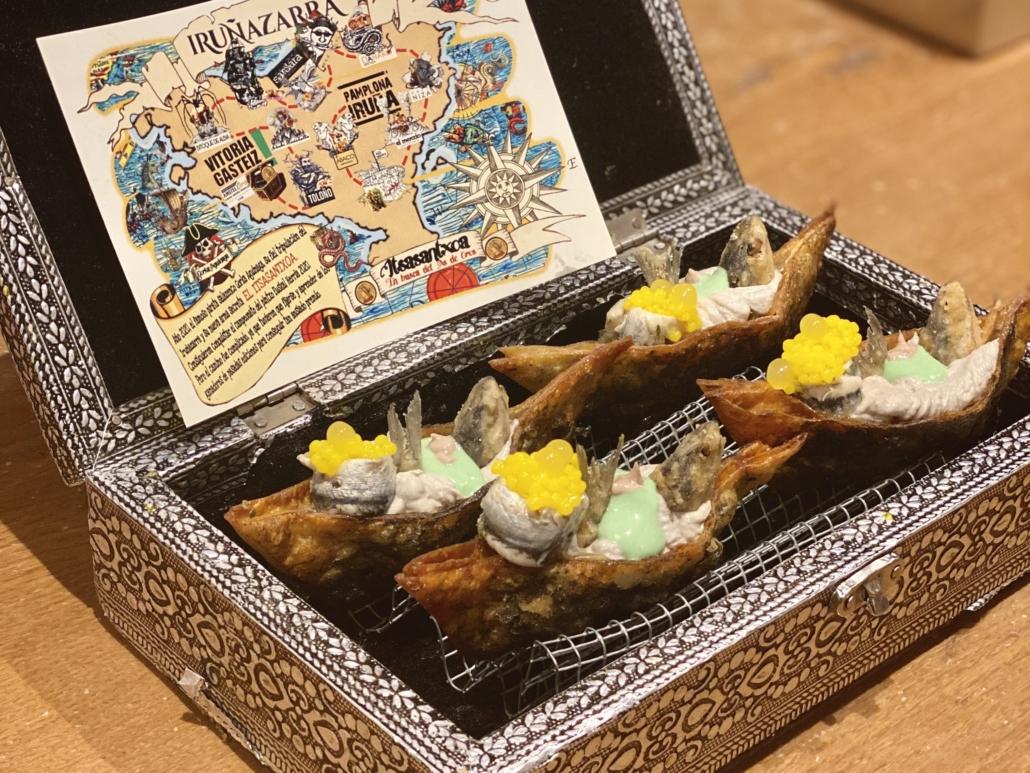
The best pintxos in town at Iruñazarra: Itsasantxoa
Where? Iruñazarra, C. Mercaderes, 15, 31001 Pamplona, Navarra, Spain
When: every day from 09:00 until at least midnight.
Travel tips for Navarre
Here we have summarised a few tips for travelling.
How to get there
Unfortunately, there are currently no direct flights from Germany to Pamplona. You can get to Bilbao via Frankfurt and Munich with Lufthansa. From Düsseldorf and Stuttgart with Eurowings. The transfer from Bilbao to Pamplona takes 1.5 hours. Therefore, I advise you to rent a car.
Getting around
Since Navarre's highlights are never far from Pamplona (always a maximum of 1.5 hours), I would advise you to rent a car and spend a night or two in the regions we recommend. It really is worth it.
Accommodation in Navarre
Pamplona: Hotel Maisonnave
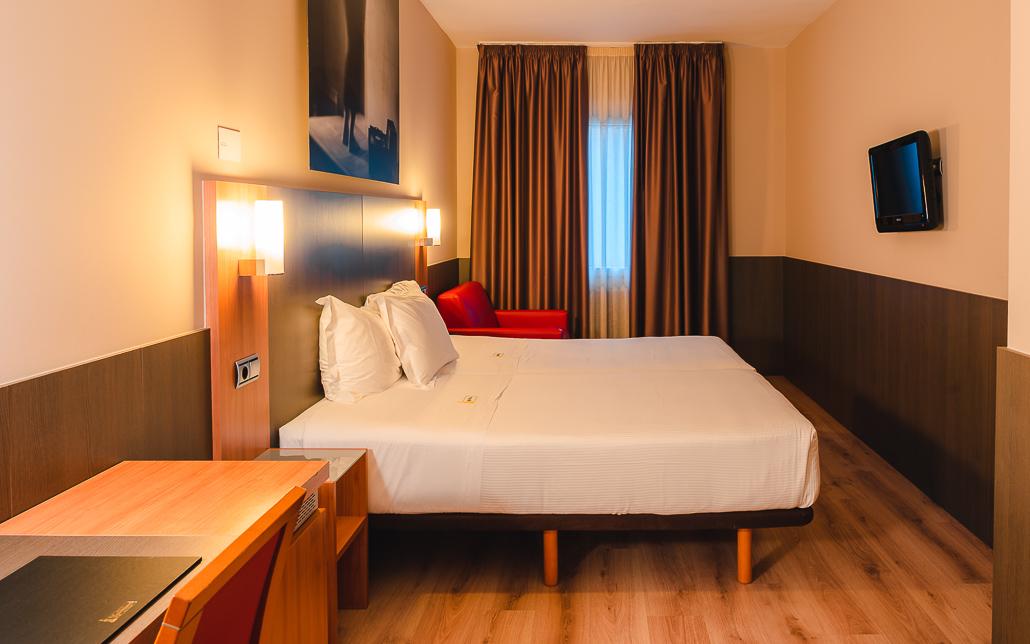
Hotel Maisonnave is located in the centre of Pamplona. The rooms are very spacious, there is a large breakfast buffet and next door in the hotel café you can also get the best pinxtos and bocadillos (sandwiches) to take away. You can explore all the highlights of Pamplona on foot from the hotel.
Travel guide for Navarre and Pamplona
There is no travel guide specifically for Navarre. With the DuMont Reise-Handbuch travel guide to northern Spain (with the Way of St James and a map to take out).) you are well provided for. Alternatively there is the Northern Spain travel guide by Michael Müller Verlag.