How about a cruise to Tierra del Fuego in Patagonia?
We're enjoying a dream 2-week trip this December, from Santiago in Chile to Buenos Aires in Argentina, with a 5-day cruise through Tierra del Fuego, between fjords, glaciers and canals. We're exploring the southern tip ofSouth America and, more specifically, a land of legends, the Patagonia of the Howling Fifties, aboard a magnificent Chilean-flagged liner, the Stella Australis. And hang on, the highlight of this 5-day cruise from Punta Arenas to Ushuaïa is the mythical Cape Horn!
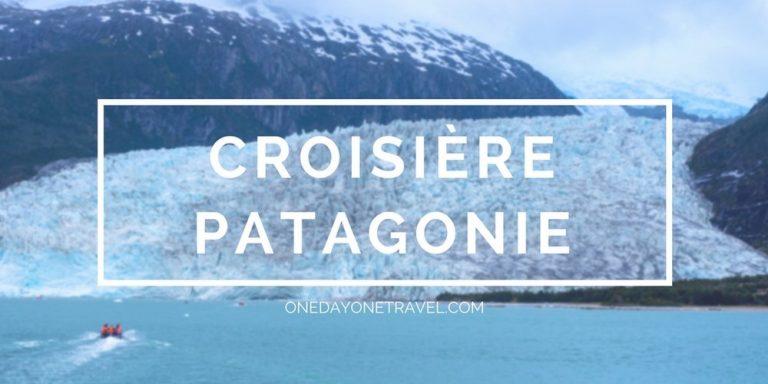
The Tierra del Fuego cruise is punctuated byshore excursions among the sub-Antarctic flora and fauna. Excursions to exceptional sites are on offer, such as the foot of the Pia Glacier, Wulaia Bay in the footsteps of Darwin, or the Tucker Islands inhabited by Magellanic penguins and cormorants. Small expeditions, sometimes in primary forests, guided and totally safe, spice up the cruise and give you a better understanding ofPatagonia's breathtaking environment.
Sailing through fjords and contemplating majestic glaciers as you travel through narrow canals to reach the end of the world is a trip that offers an impressive array of visual thrills and great experiences. It's a dream come true to sail the Southern Ocean between the 50th and 60th parallels, crossing paths with explorers and great navigators. And what's more, Antarctica isn't far away!
A cruise to Tierra del Fuego is also an opportunity to totally disconnect from the world and leave time for the present, for meeting people on board, foradventure and for contemplating an exceptional, unspoilt natural environment. Patagonia is one of the most beautiful and unspoilt regions in the world. Nature in its raw state.
Board immediately for a dream cruise on a human scale that we recommend you take at least once in your life. We tell you all about the adventure in this new post on our travel blog OneDayOneTravel. Of course, we've brought back some great images for you to enjoy, including photos and a video shot in vlogging mode.
By the way, we're Franck and Richard. We're travel bloggers who've been exploring the world by sharing our inspiring stories, itineraries, city guides, practical advice and alternative tips with you on OneDayOneTravel since 2008.
Find out more about OneDayOneTravel
We also have a local travel agency, MimpiGO, based in BALI, Indonesia. Since 2021, we have been offering 100% tailor-made, authentic, eco-friendly and solidarity-based holidays.
Find out more
So, here are all our practical tips for this cruise to Tierra del Fuego and the 5 days of total disconnection at the end of the world.
Tierra del Fuego Cruise: Expedition to Southern Patagonia and Cape Horn between Chile and Argentina
1. Map and route of the cruise
1.1. A 5-day route through Chile and Argentina
Patagonia is a vast territory slightly larger than France, stretching between Argentina and Chile at the southern tip of South America.
This is the explorer's route followed by the Stella Australis during our 5-day cruise through Tierra del Fuego (see video). Australis, flying the Chilean flag, is the only company able to offer this cruise. This is a unique cruise to the end of the world, as the company is the only one to have certain authorisations and concessions in the region.
1.2 What to wear on a cruise
Australis cruises take place every year between October and April. Having tested the Tierra del Fuego cruise at the beginning of December, we can tell you that the temperatures are very variable without being extreme. It's austral summer at this time of year. For the zodiac expeditions, it's best to bring: a waterproof jumper, parka and trousers, a hat, gloves, sunglasses and protective cream, and walking shoes that are also waterproof if possible.
2. How do I get to Patagonia and how do I get to the liner?
Our cruise to Tierra del Fuego starts in Punta Arenas in the south of Chile. To get there, we'll be taking a direct flight from Paris to Santiago de Chile (14h30 flight time).
Find out all our tips for finding your cheapest plane ticket. You'll see that we always start our search with skyscanner to find the cheapest prices for the month. That's how we set our travel dates.
All our tips on travel insurance. We all think we're already well insured abroad. Spend a little time looking at your contracts and you'll see that this isn' t necessarily the case. Here' s the solution:travel insurance.
We stayed in the Chilean capital for 2 days to put together a city guide with all our tips, good places to eat and sleep and good ideas for visiting Santiago de Chile for the first time.
We then took a 3-hour flight to Punta Arenas, and what a flight it was!
The Tierra del Fuego cruise ends in Ushuaïa on the morning of the 5th day. As soon as we leave the ship, we head for the airport, around 20 minutes' drive from the port. We take an early afternoon flight from Ushuaïa to Buenos Aires. We fly over the ocean for 3 hours. Only the take-off and landing offer spectacular views of Ushuaïa and Buenos Aires.
We put our bags down for 8 days in Buenos Aires in an Airbnb flat before heading back to Paris. An opportunity to relive the very special atmosphere of Buenos Aires 7 years after our first visit to the tango capital. It was also an opportunity to write a city guide to the neighbourhoods of Buenos Aires, to be published very soon.
The opposite option of starting in Ushuaïa and heading for Punta Arenas also exists.
3. Tierra del Fuego cruise programme
3.1 Stay in Punta Arenas, Chile
We have arrived (almost) at the end of the world, in the south of Chilean Patagonia, at Punta Arenas, the starting point of our Tierra del Fuego cruise expedition.
Punta Arenas marks the start of an intense journey full of adventure in the heart of this southern territory. This pretty little town of 133,000 inhabitants is located on the shores of the Straits of Magellan, just over 3,000 km from Santiago.
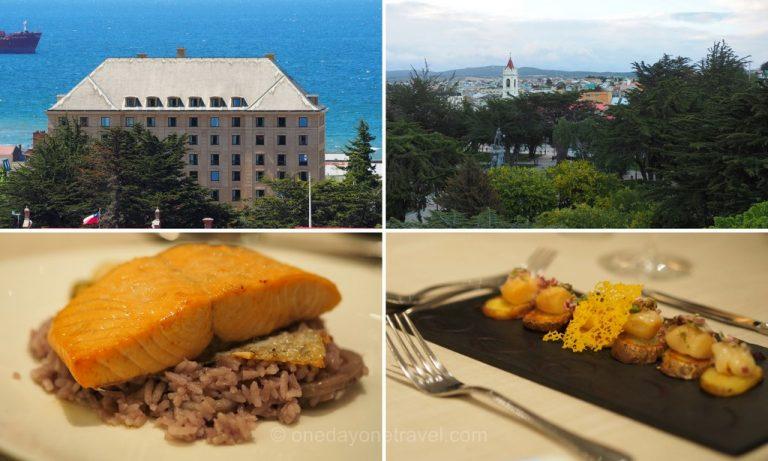
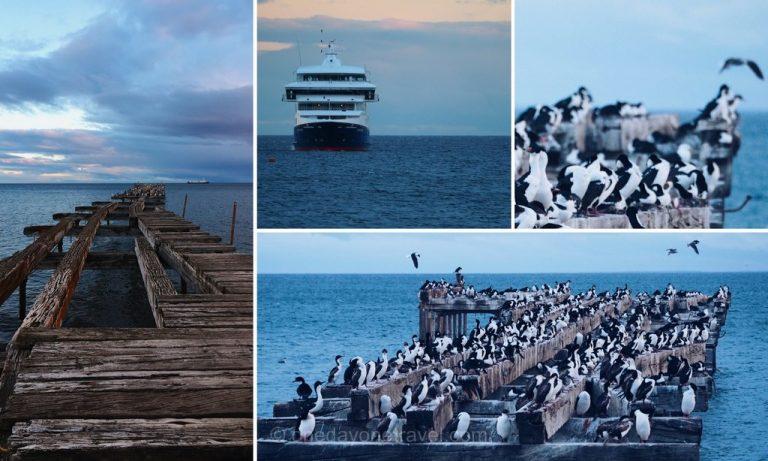
We arrive in Punta Arenas at the end of the day. After a quick check-in at theCabo de Hornos hotel, we set off on foot 200 metres from the hotel on the seafront. Here the sun sets at 10pm and the evening light is almost unreal. A swarm of cormorants seem quite at peace on an old pontoon, and we're already misty-eyed, aware that we're about to enjoy a rare and unique experience. At the same time, we spot the Ventus Australis anchored offshore. This is the second ship in the Australis fleet to sail the waters of the Southern Ocean since the start of 2018.
We then took the opportunity to wander the streets of Punta Arenas in search of a restaurant. There aren't many of them around here.
You can have dinner and lunch at our hotel restaurant. Or, just a short walk away, head for the Naval Maritime Museum, where you're sure to find what you're looking for in one of the restaurants near the intersection of Presidente Pedro Montt and Libertador Bernardo O'Higgins: burger, pizzeria, sushi, regional cuisine, French cuisine, Chinese cuisine...
For a good cup of coffee or tea, don't hesitate to go to History Coffee at 1065 calle Lautaro Navarro.
We had a delicious coffee on the terrace. One of the very (too) few terraces in Punta Arenas. The customers inside seem to be enjoying delicious pastries and crepes. What's more, the service is friendly and always with a smile. Just what we like!
If you don't speak Spanish well, the waitresses will always take the time to understand you. We've seen the scene with French tourists. We highly recommend History Coffee if you're looking for a place in town where you can enjoy a sweet treat.
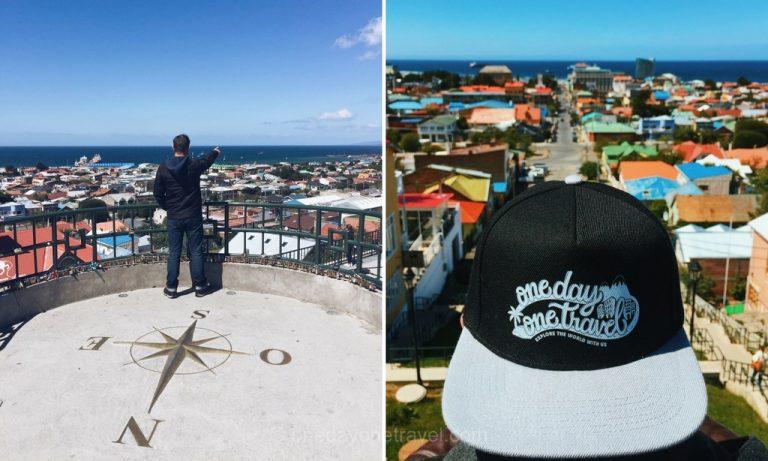
It's 4pm. The clock is ticking and it's already time to go to the port to check in and leave our suitcases, which will be directly accessible again in the cabin. We then leave the port and go for another walk along the seafront to enjoy the sunshine. The cormorants seem to be winking at us again under this beautiful blue sky.
We reach the port of Punta Arenas 2 hours later. Luggage check, boarding lounge, bus to reach the end of the jetty, gangway to reach the liner, welcome by the onboard staff to the cabin... Everything is fine-tuned for everyone's comfort.
Everything is in place. Now it's time to leave the continent. No WIFI or telephone network on board. Just the present moment. A digital detox that will do us all good!
Let the Tierra del Fuego cruise begin!
3.2. Our first moments cruising in Tierra del Fuego (Day 1)
3.2.1. Life on the Stella Australis
We'll be moving from Chile to Argentina during the Tierra del Fuego cruise. The first thing to do once you've settled in is to leave your passport at reception for customs and stamps. We'll get our papers back at the end of the 5-day adventure.
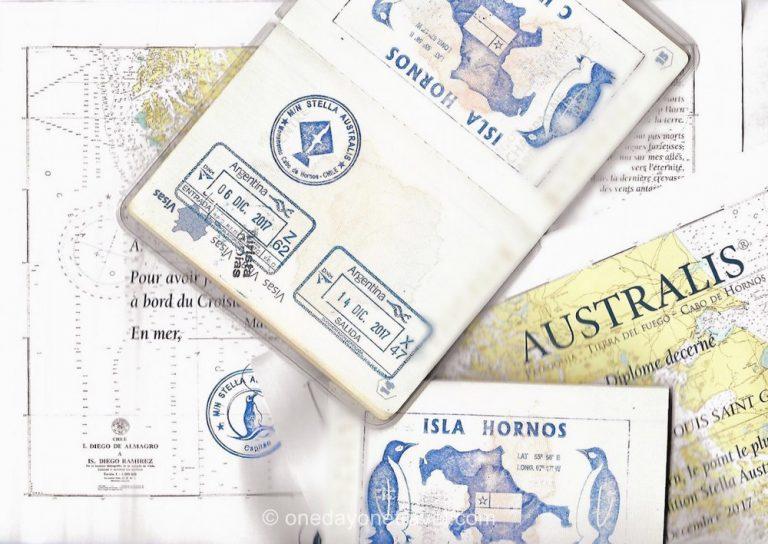
What we like is that everything is included in the cruise: cabin, excursions, conferences, food, soft and alcoholic drinks. Apart from purchases in the shops, which are paid for at the end of the cruise, and any tips left for the staff, you don't spend a thing for 5 days.
The ship is both magnificent and impressive (89m long and 14.60m wide), while remaining on a human scale. With 100 cabins, the Stella Australis can only accommodate a maximum of 210 passengers and 62 crew. This is the number one positive point of this cruise, the impression of never being rushed, whether on board the ship or on an excursion. And then you end up bumping into the same people over and over again. Once you're in the bar, friendships are made, always in a good atmosphere.
What makes this Tierra del Fuego cruise unique?
Thanks to its Chilean flag, the ship can disembark passengers on land where other companies do not have authorisation. Australis even holds the concession for Wulaia Bay, a historic and archaeological site where the Yamanas Indians once lived.
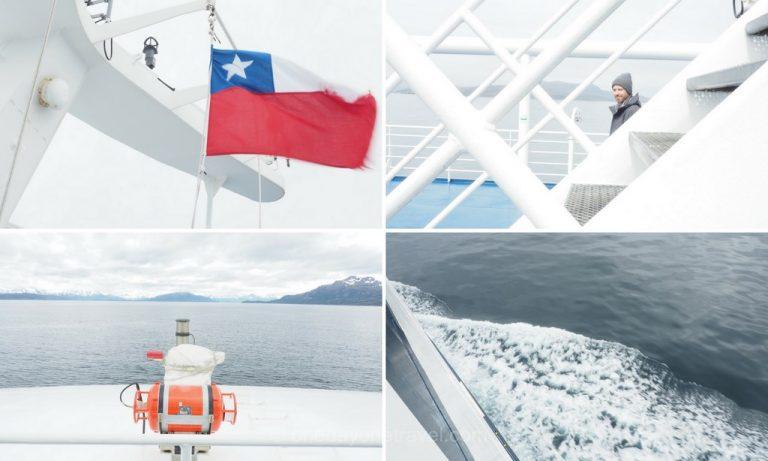
Australis works closely with the local authorities and the scientific community to better understand and preserve the natural environment of Tierra del Fuego. This explains all the measures to be taken at the start of the trip to help preserve the environment and the total absence of rubbish on the sites visited, for example.
The official languages on board are English and Spanish, but the lectures are simultaneously translated into French with audio guides and the excursions are led by French-speaking guides. So you're never lost! As for the accessibility of the excursions, 3 levels of activity are available to enable all passengers to take part in outings adapted to their physical condition. All outings are very safe and supervised, and always start with a zodiac trip.
3.2.2. The cabins on Stella Australis
Thanks to the room's large window, we have the impression of being at the heart of the landscapes we cross at all times. It's not unusual to see dolphins and elephant seals following us, albatrosses and cormorants skimming the sea in perfect circles.
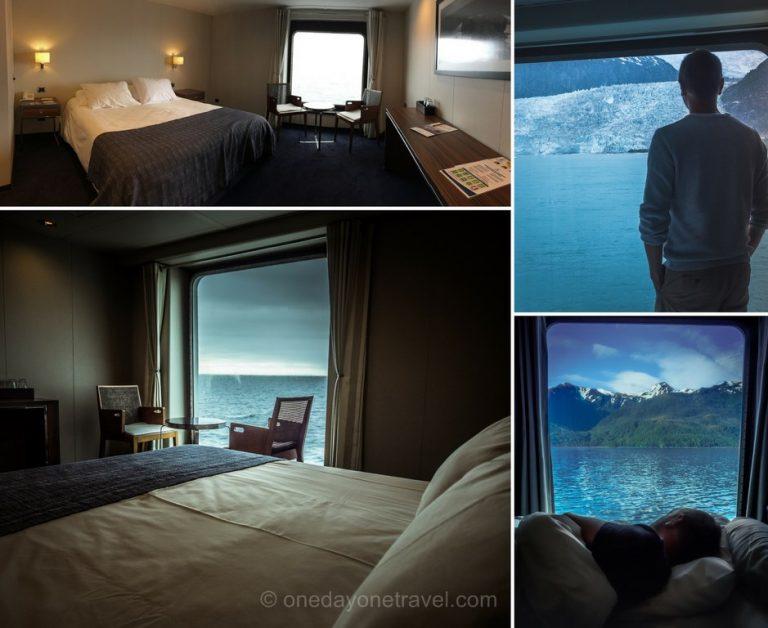
If you're planning a cruise yourself, we're staying in AAA room n°428 on the 4th floor. A spacious, quiet, comfortable and practical cabin with a private bathroom with shower, sink, mirror, toilet and hairdryer. The room is cleaned every day and even several times a week. With its contemporary, minimalist decor, you can't help but feel at ease in this room, even to the point of wanting to meditate in front of the snow-capped peaks and hypnotic glaciers that pass before your eyes.
There are 6 categories of cabins at different prices (B, A, AA, AAA, AA Superieure and AAA supérieure), with prices varying according to the season. Full details are available on the company's website.
Theintroductory price for the Australis cruise is approximately €1000/person ($1189/person).
3.2.3. 1st meal on board the Stella Australis
First evening on board the Stella Australis. After a quick exploration of the ship as we leave the port of Punta Arenas, we go to the presentation of the crew members and the safety instructions. Then it was time for our first dinner.
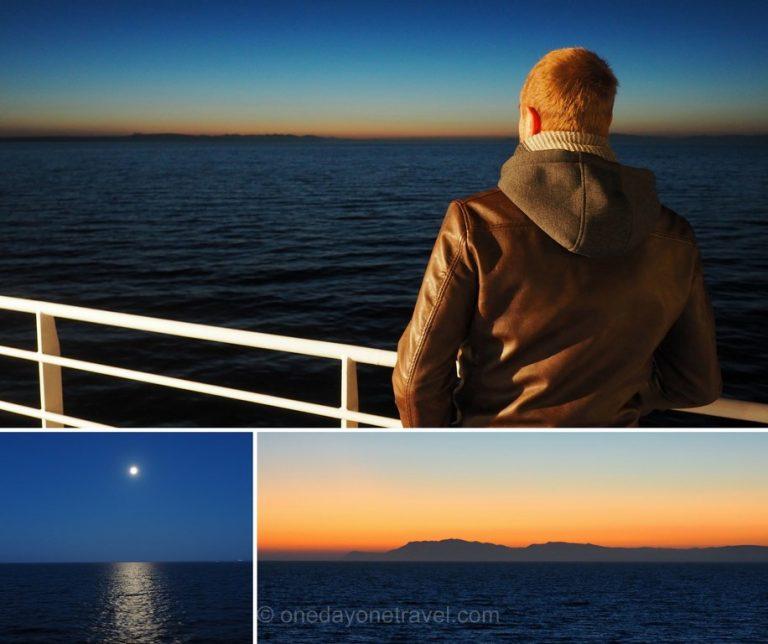
We reach the Patagonia restaurant at 8.15pm on the lower level, where the seating plan for each table is fixed in advance. Sergio directs us to table n°7.
At the table this evening, we choose to try beef in its own juices and creamy potatoes for Franck and Southern hake and quinoa à l'étouffée for Richard.
As well as the magical excursions and breathtaking scenery, life on board also has its share of happy moments, thanks to the human scale of the boat and the fascinating and enriching encounters we make. It goes without saying that many of the passengers who board the Stella Australis are keen travellers and exploration enthusiasts. Conversations are quick to form and friendships are born.
We kiss Catherine, Michelle, Bernard, Monique, Jean-Pierre, Fabien and Augustin on the way. Sorry for those we've forgotten, but the mojitos in the open bar have slightly clouded our memories of the evening. And yes, food and drink are unlimited on board and included in the price of the Tierra del Fuego cruise!
3.3. First awakening and first excursions in Tierra del Fuego (Day 2)
3.3.1. Opening the curtains and discovering impressive landscapes
After an excellent first night on board the Stella Australis, the first instinct is of course toopen the curtains of the floating room to discover the first landscapes of Tierra del Fuego.
And then, time stops.
We're on the Seno Almirantazgo, a spectacular branch of the Strait of Magellan where snow-capped mountains tower above us. The sub-Antarctic landscape flashes before our eyes. We can't wait toexplore this unique wilderness in a few hours' time. But first, it's time for a delicious sweet and savoury buffet breakfast. There's something for everyone, and you can eat as much as you like. And we're still enjoying the view of Karukinka Park along the east coast and the fjords and bays of Alberto de Agostini National Park to the south, which we reach at lunchtime.
3.3.2. 1st Excursion to Ainsworth Bay
Discovering the flora and fauna of Tierra del Fuego.
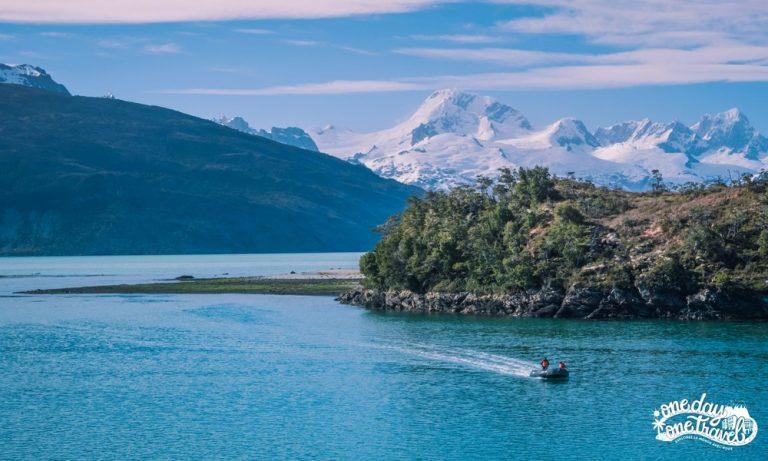
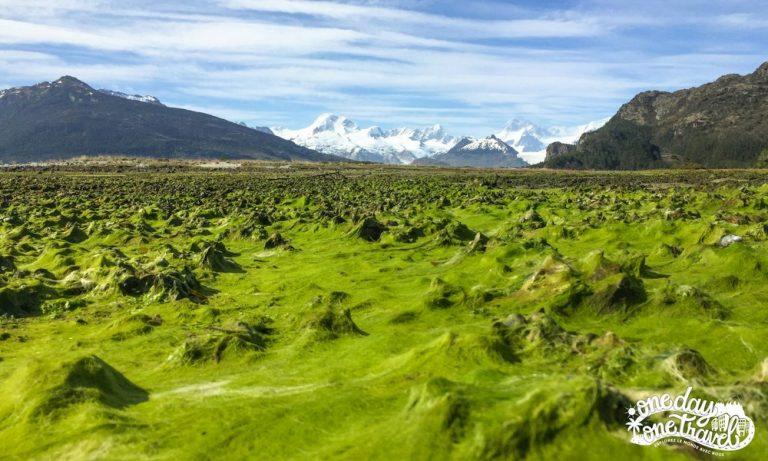
We begin the first hike of our Tierra del Fuego cruise in the heart of the Cordillera de Darwin, in Ainsworth Bay, part of the Alberto de Agostini National Park. As soon as we set off, a feeling of well-being took hold of us. At the same time we discover the incredible view of the Marinelli glacier with its green algae in the foreground and all the birds that animate the blue sky of this morning. To reach these lands at the end of the world, we took the zodiacs for the first time. It was a smooth and safe transfer.
Following a small stream, we reached a dam built by beavers, which reminded us of our stay in the Lanaudière region of Quebec when we were lucky enough to observe two of them near Lac Taureau. We even witnessed their fascinating tail snapping.
We made the most of these magical moments by crossing a peat bog not far from a large waterfall, which livens up the scenery, to observe the rich flora at the end of the world, in particular the Magellanic beeches, ferns, mosses and lichens and other fire bushes, so named because of their flame-like flowers.
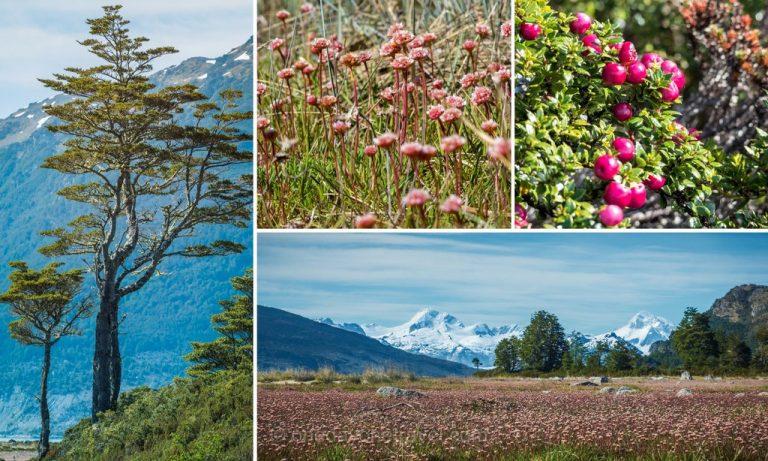
We then go deeper into the wonderful sub-Antarctic Magellanic Forest. The trail leads us into a very wet area in the shade of the Magellanic beech trees. The water trickling down the side of the cliff and the low-angled light enhance the scenery.
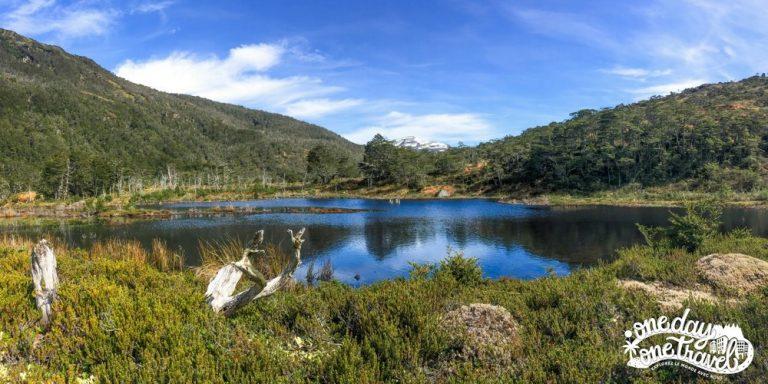
Back on the beach, there were no elephant seals to greet us but a good glass of whisky and/or hot chocolate with a sublime view of Ainsworth Bay and the Marinelli glacier in the background.
The view of the first iceberg of this cruise in Tierra del Fuego will be remembered for a long time. Wow!
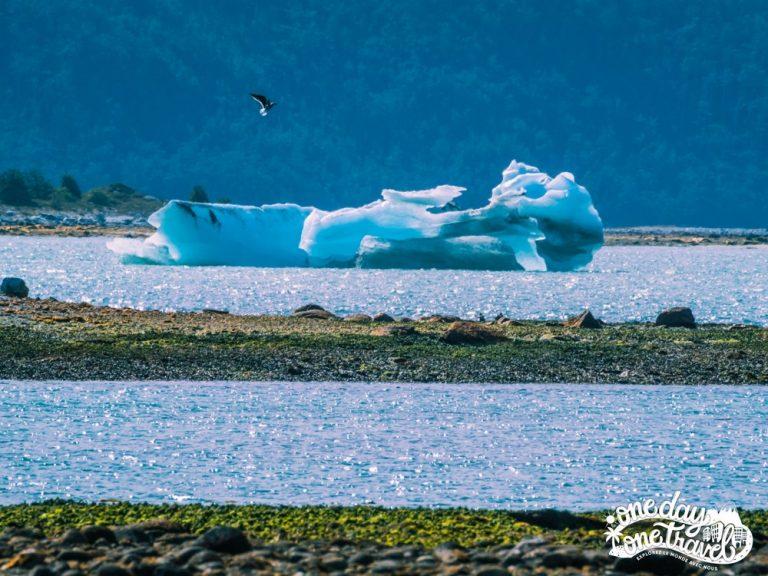
An instructive and emotional morning because the guides who accompanied us were also really passionate about this region at the end of the world.
There is another option of a more difficult hike for this morning along the ridge of a glacial moraine. It's up to you to choose the hike that suits you best.
3.3.3. The Tucker Islands
Back on board the Stella Australiswe share an excellent buffet lunch in the dining room with our neighbours as we sail west along the cove. A few hours later, the ship reaches the Tucker Islets.
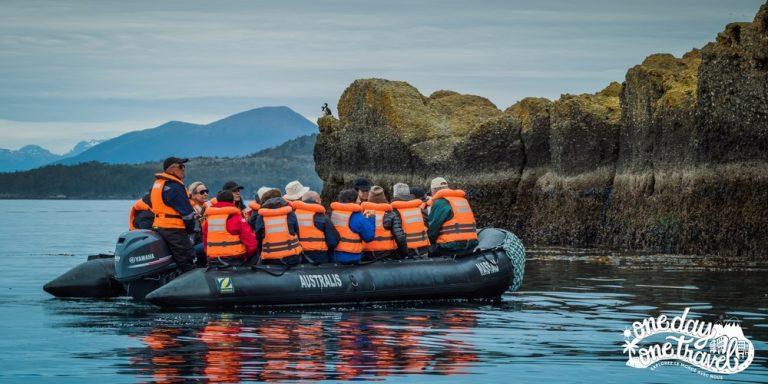
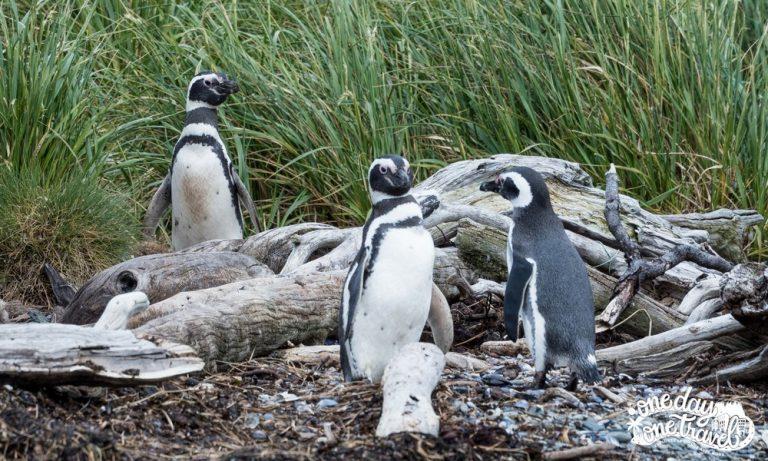
These islets are mainly home to a large colony of king cormorants and Magellanic penguins (up to 4,000). You can also see American oystercatchers, Chilean skuas, gulls and southern gulls, and even Andean eagles and condors for the lucky ones. We were also lucky enough to spot several dolphins from the liner before boarding the zodiac.
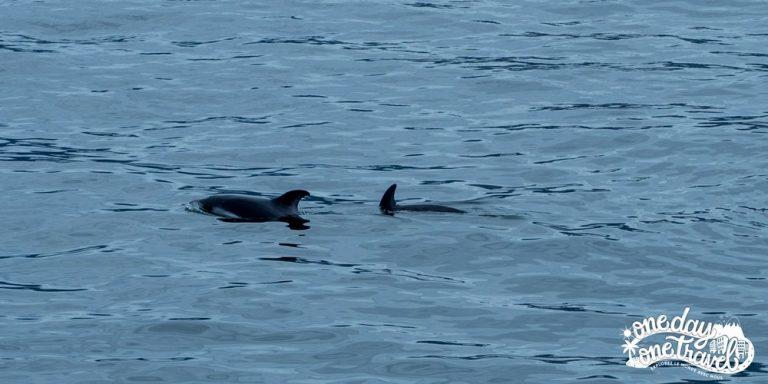
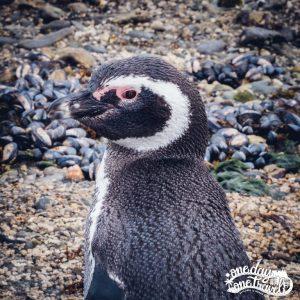
It was from the zodiacs that we approached the colonies of Magellanic penguins. We stayed on board to observe them, to protect the site and the animals. What an opportunity to see these species, which only inhabit the southern hemisphere, up close and in their natural habitat.
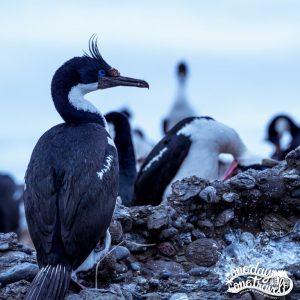
The cormorants are also there, putting on a spectacular show. It's nest-building season. All very attractive moments in life. We tell ourselves we did well to invest in a new powerful zoom lens.
This cruise is truly magical and you often have to pinch yourself to make sure it's not a dream...
3.3.4. Evening lectures
After a divine dinner including grilled swordfish, the guides give us a presentation on the next day's excursions and the navigation route. During the cruise, on certain evenings, reports and documentaries about Patagonia, its history, fauna and flora, are broadcast in the different lounges of the liner depending on the language spoken. The documentary "Life on the Edge" is being shown this evening.
We end the day with stars in our eyes, ready for more adventures in the coming days.
3.4. Encounter with the glaciers on a cruise in Tierra del Fuego (Day 3)
Second day in the fjords and breathtaking glaciers!
After yesterday's penguins and exploration of the sub-Antarctic forest, it's a different world today with the glaciers of Tierra del Fuego. After sailing around the western tip of Tierra del Fuego, we entered the Ballenero Channel.
What a day! What beauty! We were literally mesmerised by this wild, untouched region.
The excursion to the edge of the Pia Glacier will remain one of the highlights of this cruise in Tierra del Fuego.
3.4.1. Hike to the foot of the Pia Glacier
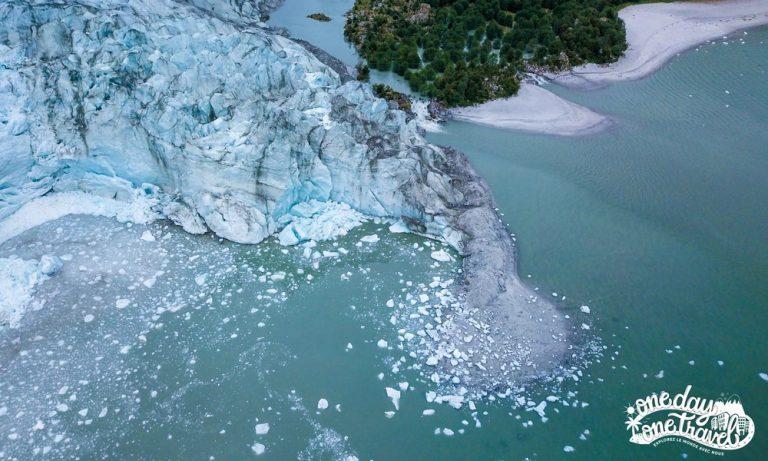
This excursion takes youto a viewpoint that offers excellent conditions for observing the mountain range that forms the origin of the impressive Pia Glacier and for following its movement to the sea. Sailing along the Avenue of the Glaciers offers a view of imposing monsters of ice. Most of them bear the names of countries in memory of the European sailors who came to this land: Switzerland, Germany, France, Italy and Holland.
It's the Pia glacier that we're exploring up close.
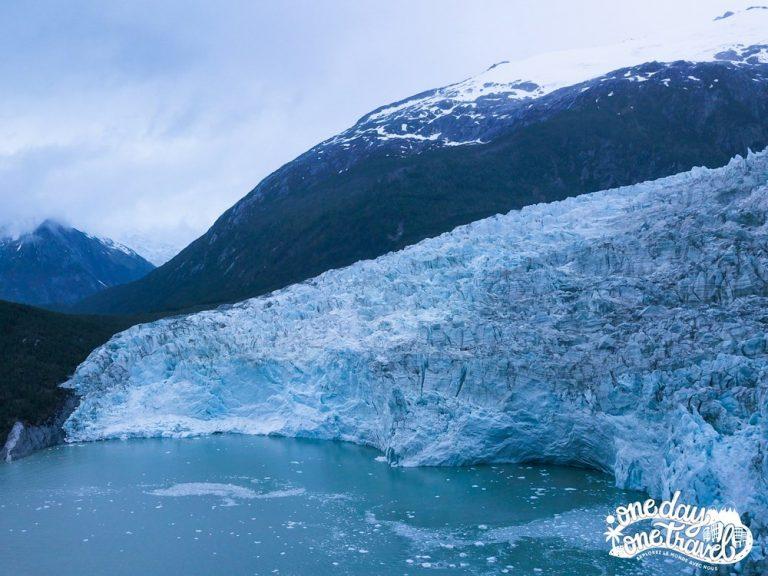
Imagine a monster of ice over 300m high, soaring from the top of the mountain and plunging straight into the sea... And the shock is not just visual, it's also aural. The glacier groans from within, shaken by invisible forces. It creaks and crackles, and sometimes blocks of ice break off and fall into the sea with a deafening crash.
You feel very small in the face of this force of Nature.
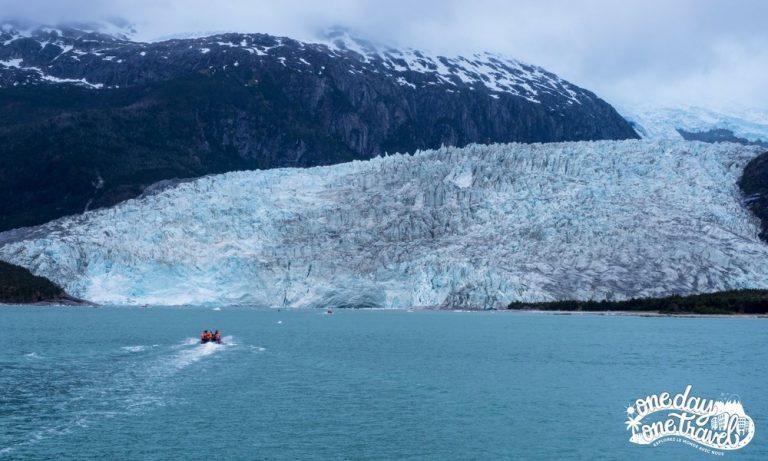
After zodiacing along the side of the ice monster, we disembark on a nearby beach. We then set off on a hike to a mirador for a breathtaking view of the glacier.
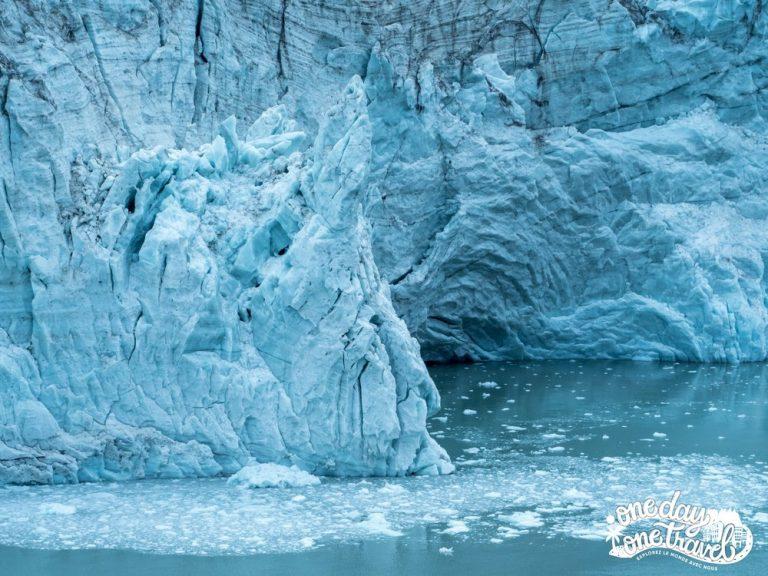
Once again, the Australis guides accompanied us and gave us lots of information about this giant of ice. They also had the good idea, once at the top, of offering to let us enjoy the view in total silence for several minutes. A magical experience. It's the ideal place for a mindfulness meditation session.
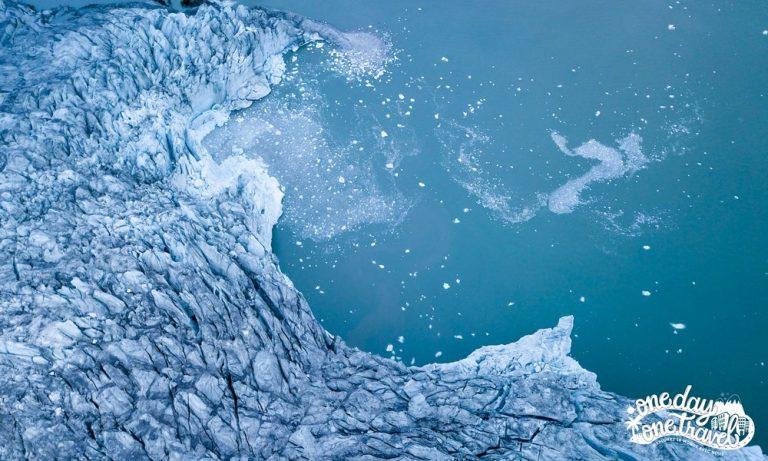
3.4.2. Discovering the Avenue of Glaciers along the Beagle Channel
We rejoined the boat and headed for the Beagle Channel, aka the Avenue of the Glaciers. And then the festival begins.
Over the course of a few nautical miles, 5 glaciers follow one another, all different and each more beautiful than the last. From glacier to glacier, Australis takes us on a European tour of the culinary and musical specialities of the nationalities of the sailors who discovered these glaciers. Romansh, Italy, France, Germany and Holland are all on the programme. You can discover these raw wonders of Nature with Italian mini-pizzas to the sound of La Dolce Vita, or with an excellent cocktail in hand while listening to Piaf. Just great!
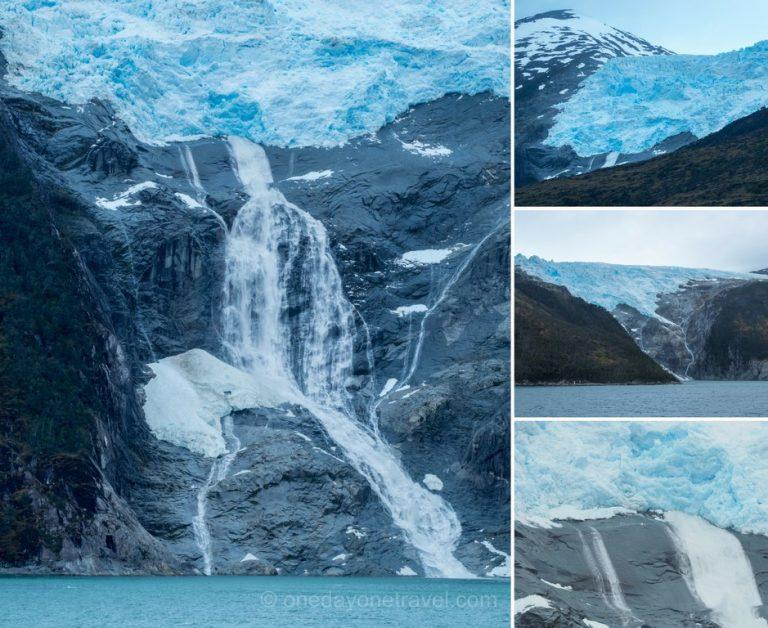
After a good dinner, a fine lecture and a good after-dinner drink in the lounge and on deck, we return to our cabin. We close the curtains as the sun rises around 5.30am and we need to get some rest too. The evening documentary: 'Fire and Ice
3.5. Reaching Cape Horn and Wulaia Bay on a cruise in Tierra del Fuego (Day 4)
3.5.1. Cape Horn
4th day of cruising in Tierra del Fuego. We wake up very early after sailing through the narrow Murray Channel. We have arrived at the Holy Grail of this voyage, the point considered to be the southernmost in the world: the mythical Cape Horn. The emotion is palpable. Horn Island was discovered during a perilous Dutch expedition in 1616. This is where the Atlantic and Pacific Oceans meet.
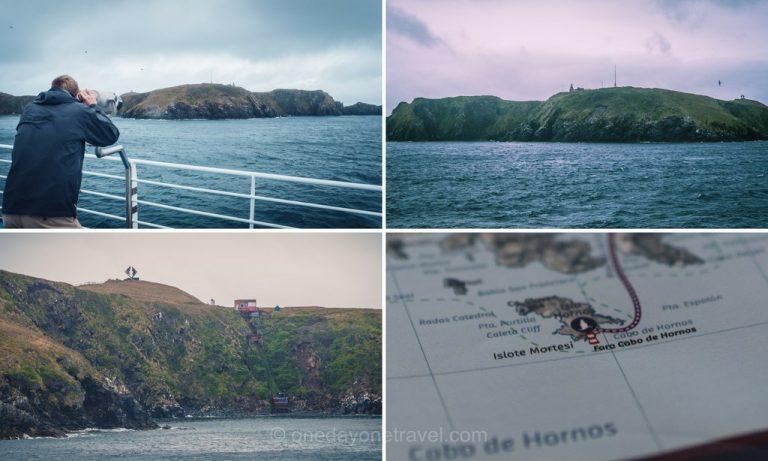
For sailors, rounding Cape Horn is often compared to climbing Mount Everest.
Cape Horn is a 12 km² island, or rather a gigantic rocky promontory 425 m high, which faces the strong and often stormy winds of the Drake Passage. Cape Horn, a mystical and mythical site. 650 km away, you arrive on the other side of the strait on the Antarctic continent.
The strong currents and constantly blowing winds are a living hell for sailors. It's not for nothing that they're known as the "Roaring 40s" and "Howling 50s"! You also need to keep a constant lookout, as icebergs can get in the way. Weather conditions can quickly change and become extreme, with the possibility of giant waves forming.
When you manage to disembark on Cape Horn, which is possible on average 70% of the time, according to the captain, you climb a staircase with a hundred or so steps up to the first symbol of Cape Horn, the work of Chilean sculptor José Balcells Eyquem. This gives you an extraordinary view of the end of the world.
We then head off to meet a family who live at the Cape Horn lighthouse. It's a family with a story to tell, but one that we won't have the chance to meet due to heavy swells. You should know that the families who live at the lighthouse move every year. The year spent away from it all is part of their life's journey.
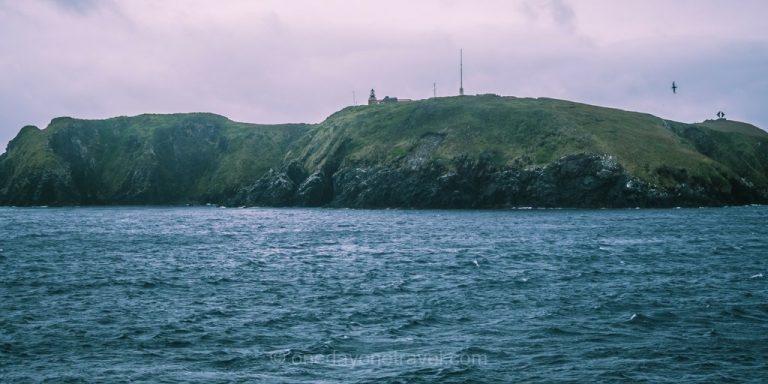
Behind this photo lies a whole range of feelings: Joy, wonder, admiration, hope, frustration and finally fulfilment.
First joy. The joy of having reached the end of the world, the southernmost point of South America and, in a way, the Holy Grail of this cruise.
Thenwonder at the raw beauty of these rocks, battered by the winds and waves, unchanging and almost eternal.
Andadmiration for the sailors who braved the storms and the elements to reach Cape Horn and satisfy man's eternal thirst for exploration. And admiration for the family who live here, on Horn Island. The lighthouse keepers. They stay here for a long year, alone, their only visitors being the rare cruises that arrive here.
Thenhope . The hope of landing on this island to make a long-held dream come true, to set foot on this mythical end of the world. But it's never a foregone conclusion. The weather conditions are extreme here, at the confluence of two oceans. Today, the weather is not on our side. The ship is pitching. The waves were getting stronger and stronger, and the Australis guides who were scouting out the area in their zodiacs looked like they were having a bad day... When they returned, the news broke. We won't be able to land on Cape Horn after all.
The frustration. Being so close and so far at the same time. To have travelled so many miles only to stop just short of our goal. After all, we're facing a mythical site, the Everest of navigators. But safety comes first. We're not going to risk our lives for a few steps.
This jumble of feelings is finally diluted. We take in the hypnotic view of Cape Horn being battered by the winds for a long time, and frustration gradually gives way to fulfilment. You realise how lucky you are to be here and to be experiencing these unique moments, at the end of the world and in more than comfortable conditions.
At the junction of the Atlantic and the Pacific, at the gateway to Antarctica, the mythical Cape Horn can be experienced more "from the inside".
3.5.2. Wulaia Bay
From Cape Horn and a sumptuous buffet lunch, we head north towards the final destination of this Tierra del Fuego cruise, the mythical city of Ushuaïa. But before that, we'll be taking a new and final excursion to the end of the world in Wulaia Bay, to enjoy its spectacular views over the southernmost tip of Patagonia. There are 3 levels of difficulty for the climb. We chose the intermediate level.
We docked in a zodiac in Wulaia Bay, a major historical and cultural site. The bay was home to one of the largest settlements of Yamanas, the Amerindian people who once inhabited southern Tierra del Fuego and who have been decimated since contact with European explorers.
During the hike to a magnificent viewpoint over Wulaia Bay, our charismatic and passionate French-speaking guide, Augustin, gives us a captivating explanation of the rich culture of the Yamanas people, their difficult living conditions and their special relationship with Nature.
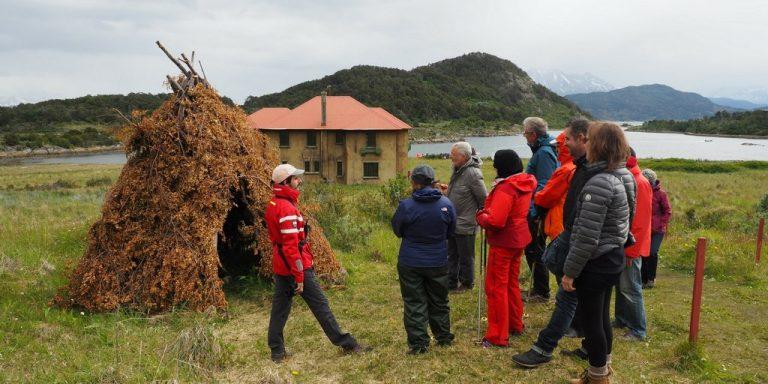
Once at the top of the hill, after crossing a sublime Magellanic forest with its edible flowers and mushrooms and its beaver dam, we enjoy a panoramic view over the Bay of Wulaia and Tierra del Fuego with its snow-capped peaks as far as the eye can see. It's a breathtaking view, well worth a few minutes of silence and rejuvenation to listen to Nature. A beautiful moment.
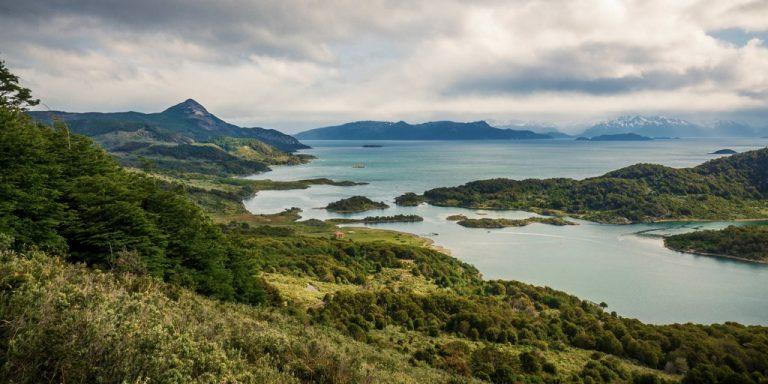
On the way back, a sudden gust of wind forced us to leave the bay of Wulaia earlier than planned. Along the way, we came across a green Magellanic woodpecker and several falcons in the sky.
Weather permitting, you can also visit an old radio building that has been transformed into an ethnological museum thanks to Australis.
Inside the building, you'll find a large barrel that serves as a letterbox, where anyone can post a postcard to a loved one. To continue the tradition, Australis gave us a beautiful card.
And of course, no need for a stamp. The Post Office never comes through here! But travellers do!
While you're posting your postcard, it's customary to pick out a card that might make someone want to visit your neighbourhood, or even a neighbour's house, and to take it home with you and hand-deliver it when you get home. A habit adopted by sailors a long time ago to give news to their families halfway between the 2 oceans. Clever!
While waiting for our zodiac, we were treated from the pontoon to an impromptu show of an elephant seal in full moult, shedding its old skin by rubbing itself vigorously against a wooden mooring post.
We finally reached the Stella Australis by zodiac, but not without a few good waves. Long live waterproof clothing!
Time for a good shower and a change of clothes, and it's time for everyone to gather around the captain's farewell toast in the Darwin lounge, one of the three lounges on the liner, as we cover our last few miles while watching a slideshow of photos taken during the cruise that the passengers have agreed to share.
The nautical chart used during the crossing of Cape Horn is then auctioned off. This has been a tradition for as long as the cruise has existed. The amount can sometimes reach several thousand euros!
Top left: the captain of the Stella Australis and the expedition leader.
The clock is ticking and the first houses are appearing here and there at the foot of the mountains. As the captain carries out his final manoeuvres at the gateway to Ushuaïa Bay in an extremely narrow and shallow passage, we head off for dinner. It's 8pm. Welcome to the farewell dinner in Ushuaïa Bay.
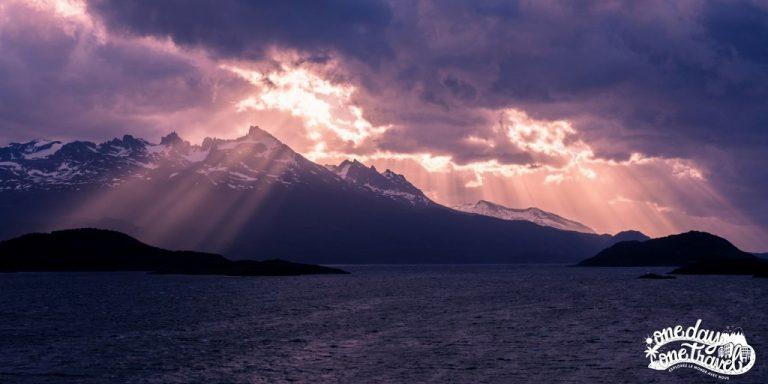
With a final wink, Mother Nature offers us first a magnificent rainbow and then sumptuous colours at dusk.
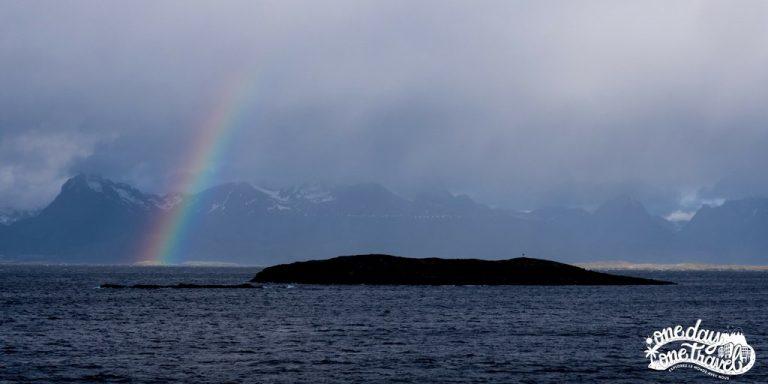
3.6. Tierra del Fuego cruise: Arrival in Ushuaïa
After another restful night, we opened the curtains in our cabin to discover that we had docked at the port of Ushuaïa. When we woke up, we could see a colourful new town at the end of the world through our window. The town of Ushuaïa, built at the foot of the snow-capped mountains.
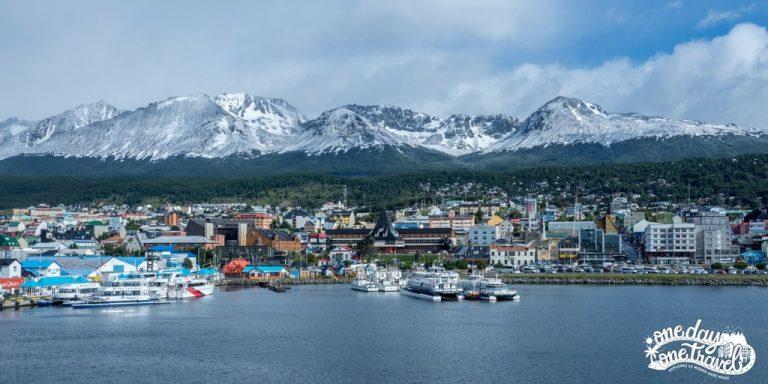
With a population of 65,000, it is one of the largest cities in Tierra del Fuego and the city at the end of the world, port of departure for expeditions to Antarctica. Founded on 12 October 1884, Ushuaïa was one of the first meeting points between the Yámana culture and the Anglican missionaries.
We then flew to Buenos Aires, one of our favourite capitals in South America. After the cold, it's time for the heat of the tango capital. And yes, in December, temperatures flirt with 30 degrees.
To conclude this cruise to Tierra del Fuego,
To conclude in a few words, this cruise to Tierra del Fuego between Chile and Argentina, in one of the most beautiful and remote regions of the world, will remain unforgettable. And the fact that we had no network throughout the cruise meant that we could live every moment to the full, enjoy the scenery to the full and let ourselves be carried away by the emotion and the passing of time, even if there's never enough time...
We particularly appreciated the fact that the cruise ship was on a human scale, with an attentive crew who had in-depth knowledge of the region in terms of culture, history and ecology. In terms of organisation on board and during the excursions, safety and supervision, cleanliness, food and drink, etc., we were totally satisfied, and according to the other passengers, we weren't the only ones.
To finish off with a final little wink, we were surprised to receive our diplomas for rounding Cape Horn on board the Stella Australis Expedition Cruise! And at least we won't be seeing those stamps on every passport! Maybe yours will soon?